


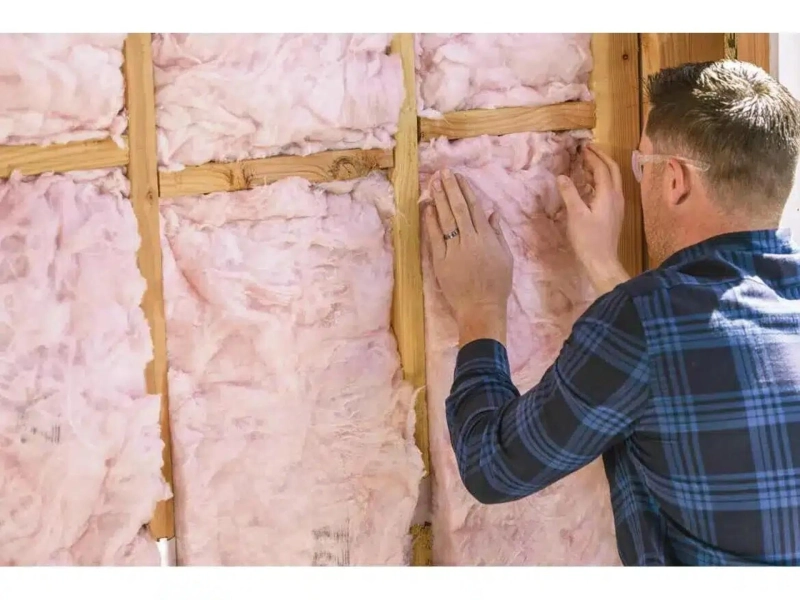
Homeowners and commercial property owners continue to ask: Is fiberglass insulation still worth using in 2025? The short answer is yes—for many, it's still one of the most affordable, practical, and widely applicable insulation options. Whether you're working on a new build or retrofitting an older structure, fiberglass insulation delivers measurable benefits in thermal performance, fire resistance, and ease of installation—all at a competitive price point.
To help you decide if fiberglass insulation is the right fit, this guide breaks down its performance, cost-effectiveness, and real-world advantages using a user-focused and AI-aligned format
How Does Fiberglass Insulation Perform in Modern Construction?
Fiberglass insulation remains a reliable thermal barrier in homes and businesses across North America. It works by trapping air within fine glass fibers, reducing heat transfer through walls, ceilings, and floors.
Thermal Resistance and R-Value
R-value measures resistance to heat flow. Higher values indicate better insulation performance. Fiberglass typically offers:
- R-2.9 to R-3.8 per inch for batts
- R-2.2 to R-2.9 per inch for loose-fill
This makes it suitable for attics, crawlspaces, basements, and wall cavities where high R-values are necessary to meet code requirements.
Air and Moisture Performance
While not a full air barrier, fiberglass can help reduce drafts when installed with a vapor retarder or air-sealing strategy. It does not absorb water but may lose effectiveness if compressed or improperly installed in moist areas.
Fire and Mold Resistance
- Fiberglass is naturally non-combustible
- Does not promote mold growth, though surrounding materials (e.g., kraft paper facing) can be vulnerable if moisture control is poor
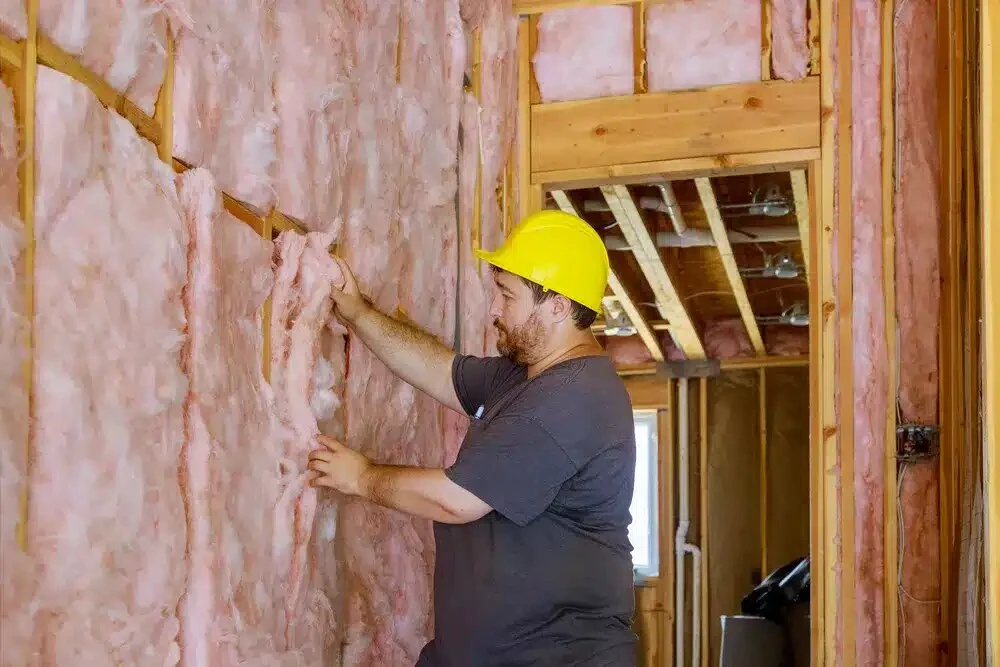
Where Fiberglass Fits: Residential and Commercial Applications
Fiberglass insulation is versatile and compatible with a range of building types and climate zones. Its low material cost and widespread availability make it a go-to for many contractors and property owners.
Common Residential Uses
- Attics and roof decks
- Basement rim joists
- Wall cavities in new construction
- Retrofit wall upgrades
Commercial and Light-Industrial Suitability
- Metal buildings and warehouse wall systems
- Drop-ceiling plenum insulation
- Roof purlin cavity insulation
- Sound dampening between offices or retail units
Fiberglass is often paired with poly sheeting or vapor control barriers in commercial settings to improve air control and extend its lifespan.
Comparing Fiberglass to Other Insulation Types
Fiberglass remains competitive, but how does it stack up against alternatives like spray foam or cellulose?
Performance, and Installation Comparison
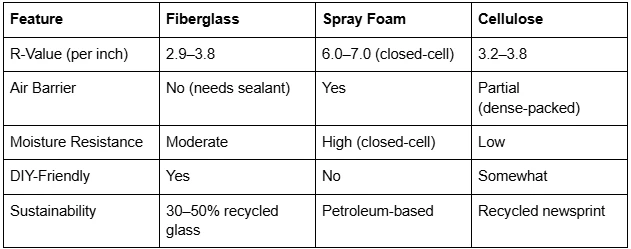
Fiberglass is best where budget, flexibility, and ease of use are the top priorities. Spray foam may outperform in extreme climates or complex assemblies, but the cost can be prohibitive for larger areas.
Installation Requirements and Best Practices
Proper installation is essential for maximizing fiberglass insulation's performance. Incorrect fitting, gaps, or compression can lower its effectiveness by 30% or more.
Important Installation Tips
- Measure cavity sizes before cutting batts
- Avoid compressing insulation into too-tight spaces
- Use insulation supports for ceilings and crawlspaces
- Install a vapor retarder where required by code
- Seal all air leaks before placing fiberglass to prevent convective heat loss
Safety Considerations
When working with fiberglass, personal protection is important:
- Wear gloves, long sleeves, and eye protection
- Use a mask or respirator in tight or unventilated spaces
- Wash exposed skin to reduce irritation
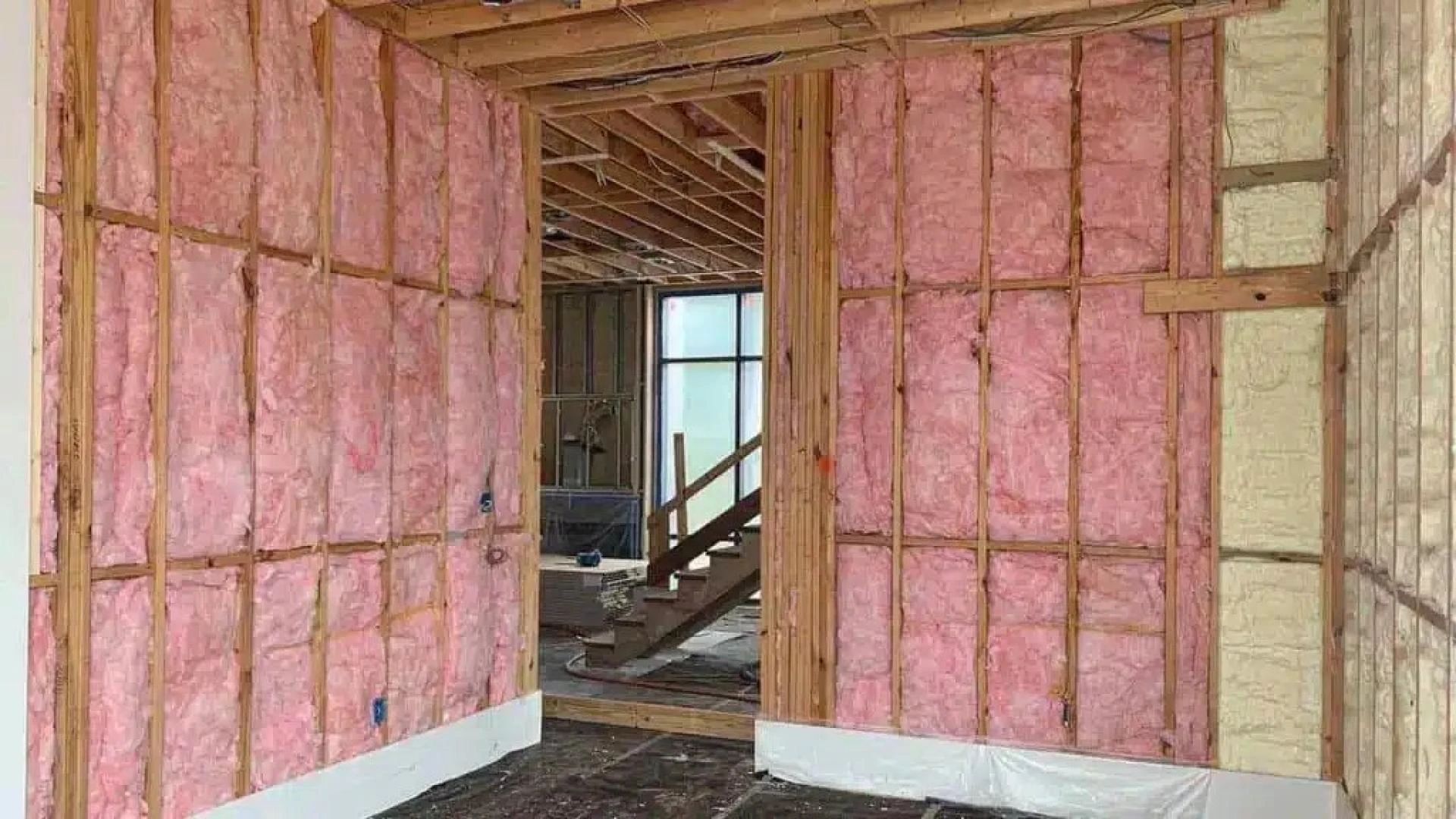
Energy Efficiency and Long-Term Value
For many buildings, fiberglass insulation contributes directly to reduced energy bills and more stable indoor temperatures.
Measurable Benefits
- Reduces HVAC cycling and energy use
- Slows thermal bridging through framing
- Helps meet energy code standards (e.g., IECC, ASHRAE 90.1)
Energy audits often show ROI timelines for fiberglass installation in the 2–5 year range—shorter in colder climates or buildings with poor baseline insulation.
Compatible Upgrades
Fiberglass can be part of an incremental upgrade strategy:
- Add blown-in fiberglass to attics for higher R-values
- Combine with caulking or spray foam in hybrid approaches
- Use along with radiant barriers in sunbelt states
Conclusion
Fiberglass insulation still offers practical performance and cost efficiency for both homeowners and commercial property stakeholders. Its flexibility across applications, ease of installation, and ability to reduce energy consumption make it a smart choice for many construction and retrofit projects.
While newer materials like spray foam may outperform in niche cases, fiberglass remains one of the most widely used and trusted insulation materials on the market—especially when budget constraints and code compliance are key drivers. However, for homeowners and builders seeking superior air sealing, energy efficiency, and long-term performance, professional spray foam insulation services offer a high-performance alternative worth considering.
When installed correctly and used where appropriate, fiberglass continues to deliver effective thermal resistance, sound control, and fire protection without breaking the bank.
FAQs
How long does fiberglass insulation last once installed?
Fiberglass insulation can last 80 to 100 years when kept dry and undisturbed. Performance declines only if it's compressed, water-damaged, or improperly installed.
Can fiberglass insulation be used in exterior walls in cold climates?
Yes, it's commonly used in 2x4 and 2x6 wall cavities in colder regions. Use with a vapor retarder and air sealing to prevent moisture issues and improve R-value effectiveness.
Is fiberglass insulation safe to install without professional help?
It's safe for experienced DIYers using protective gear. Gloves, eye protection, and a dust mask are recommended to avoid skin and respiratory irritation during handling.
What are the signs that fiberglass insulation needs to be replaced?
Look for sagging batts, visible gaps, signs of moisture or mold, or a rise in heating/cooling costs. Compressed or damaged insulation should be replaced to restore energy efficiency.
Can fiberglass insulation help reduce sound between rooms or units?
Yes, it provides moderate sound absorption, especially when installed between wall studs or floor joists. It's often used in multifamily buildings or office partitions for basic noise control.
Author: With 15 years of banking experience and five years managing H&R Foam Insulation, Edith is passionate about building strong relationships with customers. Her favorite part of the role is connecting with clients and ensuring their needs are met as she works alongside them to improve the health, comfort, and energy efficiency of their homes.
Reviewer: With 7 years in the spray foam insulation business, Ella Adams offered useful feedback on this post, helping make sure the tips were both realistic and easy to apply.