



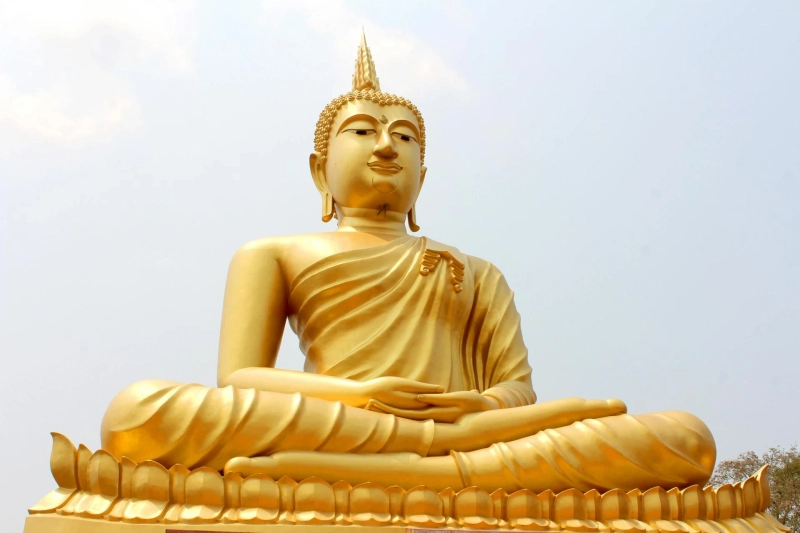
India, the birthplace of Buddhism, is home to some of the most sacred and beautiful monasteries in the world. Exploring Buddhist Monasteries in India offers a unique opportunity to connect with centuries-old traditions and discover the essence of mindfulness. These monasteries are not just places of worship but also centers of learning, meditation, and cultural preservation. Travelers from across the globe visit them to experience peace, spirituality, and the rich heritage of Buddhism.
In this comprehensive guide, we’ll explore the most important Buddhist monasteries in India, their history, cultural significance, and travel tips. Whether you’re a pilgrim, a history enthusiast, or a curious traveler, these monasteries promise a journey of enlightenment and discovery.
Why Visit Buddhist Monasteries in India?
- Spiritual Significance: Direct connection to the life and teachings of Lord Buddha.
- Cultural Heritage: Ancient monasteries showcase India’s Buddhist legacy.
- Peaceful Atmosphere: Ideal for meditation, reflection, and inner peace.
- Global Appeal: Attracts pilgrims and tourists from countries like Sri Lanka, Thailand, Japan, and Myanmar.
Famous Buddhist Monasteries in India
1. Tawang Monastery, Arunachal Pradesh
- Largest monastery in India and second largest in the world.
- Founded in the 17th century, it belongs to the Gelugpa sect of Tibetan Buddhism.
- Houses a massive golden statue of Lord Buddha.
- Known for vibrant festivals and scenic Himalayan backdrop.
2. Hemis Monastery, Ladakh
- Famous for the annual Hemis Festival celebrating Guru Padmasambhava.
- Rich collection of ancient relics, thangkas, and statues.
- Cham dance performed by monks in colorful masks is a highlight.
- A spiritual and cultural hub in Ladakh.
3. Rumtek Monastery, Sikkim
- Seat of the Karmapa, head of the Kagyu sect.
- Known for its vibrant rituals and Tibetan architecture.
- Hosts important festivals like Losar and Tsurphu.
- Offers panoramic views of the surrounding hills.
4. Namdroling Monastery, Karnataka
- Located in Bylakuppe, one of the largest Tibetan settlements in India.
- Famous for its Golden Temple and vibrant Tibetan culture.
- Houses thousands of monks and nuns.
- A hub for Buddhist learning and practice.
5. Thiksey Monastery, Ladakh
- Resembles the Potala Palace of Lhasa.
- Houses a 15-meter tall statue of Maitreya Buddha.
- Known for morning prayers and panoramic views of Indus Valley.
- Important center of Gelugpa Buddhism.
6. Ghoom Monastery, Darjeeling
- One of the oldest monasteries in Darjeeling, built in 1850.
- Houses a 15-foot statue of Maitreya Buddha.
- Rich collection of Buddhist manuscripts and thangkas.
- Popular among tourists for its heritage and serenity.
7. Mindrolling Monastery, Dehradun
- One of the largest Buddhist centers in India.
- Known for its 60-meter tall stupa and beautiful gardens.
- Offers teachings, meditation, and cultural programs.
- A peaceful retreat in Uttarakhand.
8. Diskit Monastery, Nubra Valley
- Famous for its giant statue of Maitreya Buddha overlooking the valley.
- Hosts the Dosmoche Festival with masked dances.
- Scenic location amidst sand dunes and mountains.
- Oldest and largest monastery in Nubra Valley.
9. Key Monastery, Spiti Valley
- Iconic monastery perched on a hilltop.
- Houses ancient murals, manuscripts, and thangkas.
- Known for its unique architecture and spiritual atmosphere.
- A must-visit for adventure and spiritual travelers.
10. Shanti Stupa, Leh
- Built by Japanese monks to promote world peace.
- Offers panoramic views of Leh and surrounding mountains.
- A popular meditation and tourist spot.
- Symbol of global Buddhist unity.
Cultural Highlights of Buddhist Monasteries in India
- Rituals: Prayers, chanting of sutras, meditation, and offerings.
- Festivals: Hemis Festival, Losar, and Cham dances.
- Cuisine: Tibetan momos, butter tea, and vegetarian dishes.
- Art & Architecture: Stupas, murals, thangkas, and statues.
- Community Life: Monks and nuns dedicated to learning and service.
Best Time to Visit Buddhist Monasteries in India
- Summer (March–June): Pleasant weather, ideal for sightseeing and meditation.
- Winter (October–February): Snow-covered monasteries in Ladakh and Himachal offer unique charm.
- Monsoon (July–September): Lush greenery in Sikkim and Arunachal, though travel may be challenging.
Activities to Experience
- Meditation retreats in monasteries.
- Pilgrimage walks across sacred sites.
- Exploring museums with Buddhist relics.
- Attending festivals like Hemis and Losar.
- Learning Buddhist philosophy through workshops and teachings.
Sample Itinerary for a 7-Day Monastery Tour
Day 1: Arrival in Leh – Visit Shanti Stupa and Leh Palace.
Day 2: Thiksey Monastery – Morning prayers, explore Indus Valley.
Day 3: Hemis Monastery – Attend rituals, explore relics.
Day 4: Nubra Valley – Diskit Monastery, Maitreya Buddha statue.
Day 5: Spiti Valley – Key Monastery, trekking nearby.
Day 6: Tawang Monastery – Explore cultural heritage and festivals.
Day 7: Departure with spiritual memories.
Travel Tips for Visiting Buddhist Monasteries in India
- Dress modestly when visiting monasteries.
- Respect local customs and traditions.
- Carry warm clothes for Himalayan regions.
- Book accommodations in advance during festival seasons.
- Participate in rituals respectfully, even as a tourist.
- Keep cash handy as remote areas may lack digital payment options.
Why Buddhist Monasteries in India Attract Global Travelers
- Spiritual depth: Direct connection to Buddha’s teachings.
- Cultural richness: Blend of Indian and Tibetan traditions.
- Global appeal: Pilgrims from Asia, Europe, and America visit regularly.
- Peaceful atmosphere: Ideal for meditation and inner reflection.
- Historical importance: Monasteries rooted in centuries-old traditions.
Conclusion
India is not just the birthplace of Buddhism—it is a living museum of its monasteries and traditions. Exploring Buddhist Monasteries in India is more than a journey; it’s an experience of peace, wisdom, and cultural richness. From the grandeur of Tawang Monastery to the serenity of Key Monastery, each destination offers a unique story and spiritual connection.
If you’re planning your next spiritual or cultural holiday, let India’s Buddhist monasteries be your choice. The memories you create here—whether it’s meditating in Ladakh, witnessing Cham dances in Hemis, or exploring the vibrant culture of Sikkim—will stay with you forever.