



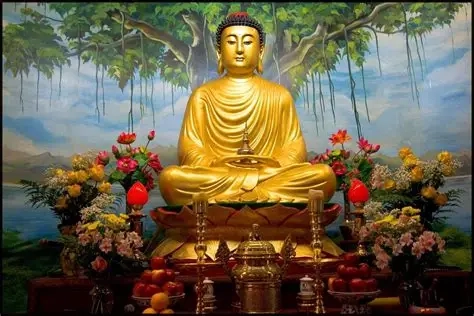
India, the birthplace of Buddhism, is home to countless sacred sites and vibrant traditions that continue to inspire millions worldwide. Buddhist Festivals in India are not only spiritual celebrations but also cultural events that bring communities together. These festivals honor the teachings of Lord Buddha, highlight Buddhist philosophy, and showcase rituals, art, and traditions that have been preserved for centuries.
In this comprehensive guide, we’ll explore the most important Buddhist Festivals in India, their significance, how they are celebrated, and why they remain integral to India’s cultural fabric.
🌄 Why Buddhist Festivals in India Matter
Buddhist Festivals in India are more than religious observances; they are living expressions of faith and heritage. Here’s why they are important:
- Spiritual Significance – They commemorate key events in Buddha’s life.
- Cultural Immersion – Festivals showcase Buddhist rituals, dances, music, and art.
- Community Bonding – They bring together monks, devotees, and tourists.
- Educational Value – They teach Buddhist philosophy and values of compassion, peace, and mindfulness.
- Tourism & Heritage – Attract global visitors to India’s Buddhist destinations.
🏞️ Major Buddhist Festivals in India
1. Buddha Purnima (Vesak)
- Significance: Celebrates the birth, enlightenment, and Mahaparinirvana of Lord Buddha.
- When: Full moon day in April–May.
- Where: Bodh Gaya, Sarnath, Kushinagar, Rajgir, and Delhi.
- Celebrations:
- Devotees visit temples and offer prayers.
- Monks chant sutras and conduct meditation sessions.
- Processions, cultural programs, and distribution of food to the needy.
- Experience: A deeply spiritual festival that attracts thousands of pilgrims and tourists.
2. Hemisphere Festival (Hemis Tsechu, Ladakh)
- Significance: Celebrates the birth anniversary of Guru Padmasambhava, who spread Buddhism in Tibet.
- When: June–July.
- Where: Hemis Monastery, Ladakh.
- Celebrations:
- Colorful mask dances (Cham dance) performed by monks.
- Display of sacred thangkas (Buddhist paintings).
- Traditional music and cultural performances.
- Experience: A vibrant festival combining spirituality with Ladakhi culture.
3. Losar Festival (Tibetan New Year)
- Significance: Marks the Tibetan New Year and is celebrated with Buddhist rituals.
- When: February–March.
- Where: Ladakh, Himachal Pradesh (Dharamshala, Spiti Valley), and Sikkim.
- Celebrations:
- Monks perform rituals to ward off evil spirits.
- Families prepare traditional dishes and exchange gifts.
- Cultural dances, music, and prayers in monasteries.
- Experience: A joyous festival blending Buddhist rituals with community celebrations.
4. Kala Chakra Festival
- Significance: A grand Buddhist initiation ceremony conducted by the Dalai Lama.
- When: Dates vary, usually once every few years.
- Where: Bodh Gaya and other Buddhist centers.
- Celebrations:
- Teachings and discourses by the Dalai Lama.
- Meditation sessions and rituals.
- Participation by thousands of monks and devotees worldwide.
- Experience: A rare and profound spiritual gathering.
5. Magha Puja (Sangha Day)
- Significance: Commemorates the spontaneous gathering of 1,250 monks to hear Buddha’s teachings.
- When: Full moon day in February–March.
- Where: Bodh Gaya, Sarnath, and monasteries across India.
- Celebrations:
- Candlelight processions in temples.
- Chanting of sutras and meditation.
- Acts of charity and kindness.
- Experience: A serene festival emphasizing unity and compassion.
6. Ullambana (Ancestor’s Day)
- Significance: Honors ancestors and departed souls.
- When: August–September.
- Where: Buddhist monasteries in India, especially in Ladakh and Sikkim.
- Celebrations:
- Offerings of food and prayers for ancestors.
- Rituals to relieve suffering of departed souls.
- Experience: A festival of remembrance and compassion.
7. Other Regional Buddhist Festivals
- Phang Lhabsol (Sikkim): Celebrates Mount Kanchenjunga and Buddhist guardians.
- Saga Dawa (Sikkim & Ladakh): Commemorates Buddha’s birth, enlightenment, and death.
- Tawang Festival (Arunachal Pradesh): Showcases Buddhist culture, dances, and rituals.
🛶 Rituals and Traditions in Buddhist Festivals
Buddhist Festivals in India are marked by unique rituals and traditions:
- Chanting of Sutras – Monks recite sacred texts.
- Meditation Sessions – Devotees practice mindfulness and peace.
- Offerings – Flowers, incense, lamps, and food offered to Buddha.
- Mask Dances – Symbolic performances depicting victory of good over evil.
- Charity – Distribution of food, clothes, and essentials to the needy.
- Decorations – Temples adorned with lights, flags, and flowers.
🚤 Cultural Significance of Buddhist Festivals in India
- Art & Music – Festivals showcase thangkas, chants, and traditional instruments.
- Community Bonding – People from diverse backgrounds come together.
- Tourism Boost – Attracts global visitors to Bodh Gaya, Ladakh, and Sikkim.
- Preservation of Heritage – Keeps Buddhist traditions alive for future generations.
🧳 Sample 7-Day Buddhist Festival Tour Itinerary
Here’s a sample itinerary for travelers exploring Buddhist Festivals in India:
- Day 1: Arrival in Bodh Gaya – attend Buddha Purnima celebrations.
- Day 2: Meditation under the Bodhi Tree and temple visits.
- Day 3: Travel to Sarnath – witness rituals at Dhamek Stupa.
- Day 4: Kushinagar – participate in Mahaparinirvana ceremonies.
- Day 5: Fly to Ladakh – attend Hemis Festival with mask dances.
- Day 6: Explore monasteries in Leh and attend Losar rituals.
- Day 7: Departure with spiritual and cultural memories.
🌟 Best Time to Experience Buddhist Festivals in India
- Winter (October–March): Ideal for Losar, Magha Puja, and Saga Dawa.
- Summer (April–June): Buddha Purnima and Hemis Festival.
- Monsoon (July–September): Ullambana and regional festivals.
💡 Travel Tips for Buddhist Festivals in India
- Dress modestly when visiting temples and monasteries.
- Respect local traditions and rituals.
- Carry warm clothes for Ladakh and Sikkim festivals.
- Book accommodations in advance during major festivals.
- Participate mindfully in meditation and rituals.
🍲 Culinary Experiences During Buddhist Festivals
Food is an integral part of Buddhist Festivals in India. Some highlights include:
- Vegetarian Meals – Simple and wholesome food in monasteries.
- Festival Feasts – Traditional dishes prepared during Losar and Hemis.
- Local Cuisine – Momos, thukpa, butter tea in Ladakh and Sikkim.
- Charity Meals – Distribution of food to devotees and the needy.
🏨 Accommodation Options
During Buddhist Festivals in India, travelers can choose from:
- Monastery Stays – Authentic spiritual experiences.
- Eco-Lodges – Sustainable stays close to nature.
- Luxury Resorts – Premium comfort with wellness programs.
- Budget Hotels – Affordable stays for backpackers.
🌍 Why Buddhist Festivals in India Are Worth Experiencing
- Hassle-free planning with curated itineraries.
- Affordable compared to international Buddhist tours.
- Local guides enhance the experience.
- Options for every budget and preference.
- Unique chance to connect with spirituality and culture.
✨ Conclusion
Buddhist Festivals in India are the perfect way to explore the sacred traditions, teachings, and cultural heritage of Buddhism. From Buddha Purnima’s spiritual celebrations in Bodh Gaya to the vibrant Hemis Festival in Ladakh, from Losar’s joyous rituals in Sikkim to Magha Puja’s serene candlelight processions, these festivals promise a journey of peace, learning, and cultural immersion.
Whether you’re a devotee, a cultural explorer, a wellness seeker, or a history enthusiast, Buddhist Festivals in India offer something unique for everyone. So, pack your bags, open your heart, and get ready to experience the timeless beauty of Buddhist traditions across India.