



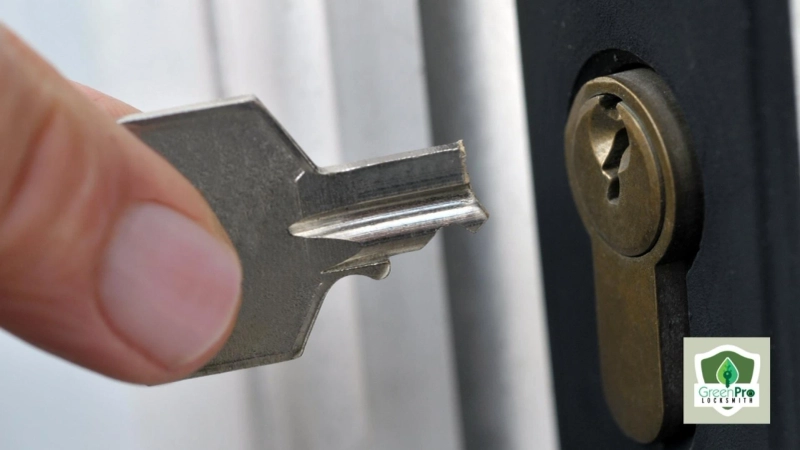
A broken key in a lock is one of those frustrating moments that can catch anyone off guard. You're rushing to get into your home or office, you turn your key, and suddenly—snap—part of it stays trapped inside while you're left holding the broken piece. It's a common situation, but the good news is that you have several options to handle it, and understanding what to do next can save you time, money, and stress.
Understanding Why Your Key Breaks (And It's Not Always Your Fault)
Most people assume a broken key is their fault, but that's not always the case. Keys fail for multiple reasons that go beyond just applying too much pressure. Locks that lack proper lubrication create unnecessary friction, making your key work harder than it should. When a lock cylinder hasn't been maintained in years, the internal pins and springs become stiff, forcing your key to bend under normal turning pressure. Corrosion and rust inside the lock mechanism act like invisible obstacles, making smooth key operation nearly impossible.
The material of your key also plays a significant role. Cheaper keys made from low-grade brass or nickel are more susceptible to snapping. Quality keys from reputable manufacturers are engineered to withstand regular use without failing. Additionally, extreme temperature changes in places like locksmith chamblee areas can affect both your lock and key—cold weather hardens lock mechanisms, while humidity can cause doors to warp, misaligning the lock cylinder.
DIY Methods: What Actually Works
If part of your key is sticking out of the lock, you have a fighting chance with simple household tools. Needle-nose pliers are your first line of defense. Gently grip the protruding key fragment, rotate it slightly to ensure a secure hold, and then pull steadily toward you. The key word here is "steadily"—jerky or sudden movements can push the broken piece deeper into the lock or break it further.
For keys that are completely hidden inside the lock, lubrication becomes your secret weapon. Apply graphite powder or a silicone-based lubricant around the keyhole and let it sit for a few minutes. This reduces friction and sometimes allows small key fragments to shift enough for easier removal. Many people overlook this step, but professional locksmiths in locksmith chamblee area swear by it as the first move before attempting extraction.
If you have a small jigsaw or hacksaw blade at home, you can create a makeshift key extractor. Insert the thin blade into the lock alongside the broken key, tilt it carefully to catch the grooves of the key fragment, and pull gently. This method requires patience and a steady hand—rushing can damage your lock's internal components, leading to a much costlier repair.
When DIY Isn't Enough
Not every broken key situation can be solved with household tools. If the key has shattered into multiple pieces inside the lock, or if the broken fragment is wedged deep within the mechanism, attempting DIY removal risks causing permanent damage to your lock. Trying to force the fragment out can scratch the cylinder walls or damage the pins, transforming a simple extraction problem into a complete lock replacement.
Professional Extraction and Replacement
Professional locksmiths have specialized extraction tools that work without harming your lock. A trained technician can assess the situation, determine the best removal approach, and complete the job in 20-30 minutes. Once the broken key is removed, you'll need a replacement key made. Modern keys are cut with precision, ensuring a perfect fit every time—something that matters more than most people realize.
Preventing Future Broken Keys
The best solution is prevention. Invest in high-quality keys rather than making copies at discount shops. Maintain your locks by applying graphite lubricant twice yearly. If your key feels tight or resistant when turning, don't force it—that's your warning sign to lubricate the lock immediately. Replace worn keys before they become weak enough to snap.
Get Professional Help When You Need It
Dealing with a broken key doesn't have to derail your day. Greenpro Locksmith has the expertise and tools to handle key extractions quickly and efficiently, getting you back inside without compromising your lock's security or functionality.