



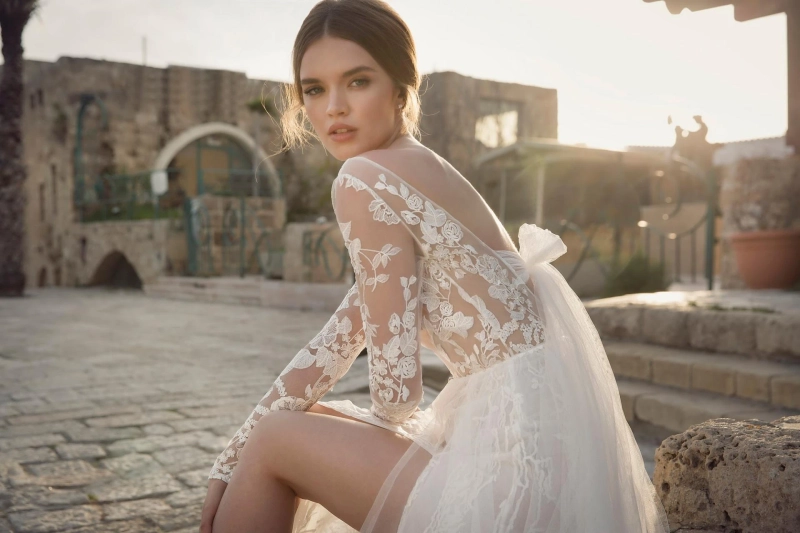
A wedding is one of the most cherished milestones in a woman’s life, and at the center of it all lies the bridal dress—an emblem of love, tradition, and personal style. Bridal wear dresses are far more than just garments; they are symbols of cultural identity, expressions of individuality, and heirlooms of elegance passed through generations. Over the years, bridal fashion has evolved dramatically, reflecting shifts in society, global influences, and the ever-changing language of style. Today, brides across the world find themselves at the intersection of tradition and modernity, embracing designs that reflect both timeless sophistication and contemporary flair.
The Cultural Significance of Bridal Wear Dresses
Bridal attire has long been woven into the cultural fabric of societies. In many traditions, the wedding dress is a powerful symbol of purity, prosperity, and joy. Western brides, for instance, traditionally wear white gowns—a trend popularized by Queen Victoria in 1840, when she donned a white satin dress for her royal wedding. This choice set the standard for generations, cementing white as a symbol of innocence and new beginnings.
In contrast, Eastern cultures often embrace bold and vibrant colors for bridal wear. Indian brides, for example, typically wear red lehengas or sarees, symbolizing prosperity, fertility, and marital bliss. Similarly, Chinese brides often select red qipaos or gowns, as the color represents luck and happiness. These cultural interpretations highlight the diverse ways bridal wear dresses encapsulate both heritage and symbolism.
Evolution of Bridal Fashion
Bridal wear dresses have experienced remarkable transformations throughout history. The early 20th century emphasized opulent fabrics like lace, satin, and silk, with gowns featuring intricate embroidery, long trains, and cathedral veils. The mid-century era saw a more understated elegance, with A-line silhouettes and practical designs dominating the scene.
The late 20th and early 21st centuries introduced daring experiments in style—think backless gowns, minimalist slip dresses, or even colored gowns that challenged traditional norms. Today, bridal fashion blends classic elements with modern sensibilities. Designers are increasingly incorporating sustainable fabrics, versatile cuts, and innovative embellishments that allow brides to make powerful statements while staying true to their personal identity.
Popular Styles of Bridal Wear Dresses
Modern brides are spoiled for choice when it comes to bridal wear dresses. Some of the most popular styles include:
- Ball Gown – The quintessential “fairy-tale” dress, with a fitted bodice and full skirt, often chosen for traditional church weddings or grand venues.
- A-Line Dress – Flattering on nearly all body types, this design features a narrow top that gradually flares out, striking the perfect balance between elegance and comfort.
- Mermaid and Trumpet Silhouettes – These dresses hug the body and flare dramatically at or below the knees, creating a glamorous and sophisticated look.
- Sheath Dress – Simple and chic, this style follows the body’s natural line, ideal for brides who prefer minimalism.
- Bohemian Bridal Dresses – Characterized by flowing fabrics, lace detailing, and relaxed fits, perfect for outdoor or destination weddings.
- Cultural Fusion Styles – Increasingly, brides are blending traditional attire with modern cuts—such as combining a lehenga with a contemporary crop top or mixing lace with sari draping.
These variations allow brides to choose dresses that not only suit their figure but also reflect their personality and the mood of their wedding celebration.
Fabrics and Embellishments: The Heart of Bridal Wear
The charm of a bridal dress lies in its fabric and detailing. Luxurious textiles like satin, tulle, silk, and chiffon remain favorites, offering an unmatched combination of comfort and elegance. Lace continues to be a timeless choice, adding delicacy and romantic charm to any design.
Embellishments also play a crucial role in enhancing bridal wear. From delicate beading and crystal work to intricate embroidery and sequins, these elements bring the dress to life, catching the light and drawing attention to fine craftsmanship. Modern brides are also leaning toward hand-crafted details, appreciating the artistry behind bespoke and couture designs.
The Role of Accessories
No bridal wear ensemble is complete without accessories. Veils, tiaras, statement earrings, and necklaces add finishing touches to the overall look. Shoes, handbags, and hairpieces allow brides to inject personality into their attire. While traditional accessories continue to hold significance—like the “something borrowed, something blue” custom—modern brides are not afraid to experiment with minimalist jewelry or unconventional headpieces to make their look unique.
Sustainable Bridal Wear: A Modern Trend
As sustainability becomes a global priority, the bridal fashion industry is embracing eco-conscious practices. Brides are increasingly opting for dresses made from organic fabrics, recycled materials, or ethically sourced textiles. Some even rent their gowns or repurpose family heirloom dresses, combining sustainability with sentimentality. Designers are also focusing on creating versatile pieces that can be worn beyond the wedding day, transforming bridal fashion into a more responsible and long-lasting investment.
The Emotional Value of Bridal Wear Dresses
Beyond style and fashion, a bridal dress carries immense emotional weight. For many brides, the moment they try on “the one” is an unforgettable experience. It’s more than fabric and stitches—it’s a reflection of dreams, aspirations, and a once-in-a-lifetime celebration. This emotional connection is why many women preserve their bridal gowns as keepsakes, passing them down as treasured heirlooms.
Conclusion
Bridal wear dresses are not just garments; they are narratives of love, heritage, and individuality. From the grandeur of ball gowns to the simplicity of sheath dresses, from red lehengas steeped in tradition to sustainable modern designs, bridal fashion continues to evolve while holding true to its symbolic roots. Every stitch, every bead, and every veil tells a story—of culture, of elegance, and of the bride’s personal journey.
As brides around the world step into their chosen dresses, they step into history, tradition, and a future filled with hope and love. Bridal wear will always remain an integral part of weddings, celebrated not just for its beauty but for the meaning it carries into the lives of those who wear it.