



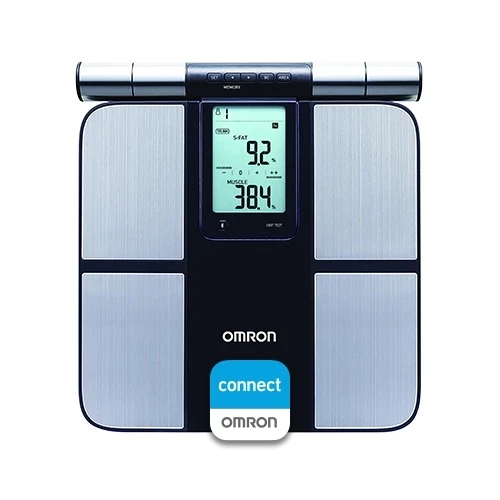
Bluetooth-enabled weighing machines, often referred to as smart scales, are increasingly integrated into personal health tracking routines. These devices offer a blend of traditional body weight measurement with modern digital capabilities such as data syncing, mobile app integration, and tracking of additional metrics like body fat percentage, muscle mass, and BMI. While the convenience and connectivity they offer are evident, the core question remains: how valid and reliable are their measurements?
This review examines existing evidence surrounding the measurement validity of Bluetooth-enabled weighing machines, focusing on weight accuracy, variability in derived metrics, user-related factors, and the role of environmental conditions.
Understanding Bluetooth-Enabled Weighing Machines
Smart weighing machines use bioelectrical impedance analysis (BIA) in addition to load cell-based weight detection. The scale sends a low, undetectable electrical current through the body to estimate body composition based on resistance. The collected data is then transmitted via Bluetooth to a companion mobile app, allowing users to track trends over time.
Unlike clinical-grade devices, these machines are designed for consumer use and typically lack routine calibration procedures. As such, their accuracy and consistency can vary depending on both internal algorithms and external factors.
Weight Measurement Accuracy
When evaluating weight—a basic but critical parameter—Bluetooth weighing machines generally demonstrate a reasonable degree of accuracy. Most devices measure weight using strain gauge technology, which is similar to that found in standard digital scales. In multiple comparative evaluations, the error margin for weight measurements typically falls within ±0.3 kg when compared to calibrated clinical scales. For general fitness tracking or home monitoring, this level of precision is usually sufficient.
However, fluctuations in measurement can occur depending on surface placement (e.g. uneven floors), time of day, and user posture during measurement. While the devices perform best on hard, flat surfaces, inconsistencies may arise when used on carpeted or soft floors.
Validity of Body Composition Metrics
Beyond basic weight, Bluetooth-enabled scales attempt to calculate additional metrics such as:
· Body Fat Percentage
· Muscle Mass
· Bone Mass
· Water Percentage
These estimations rely on proprietary algorithms applied to impedance readings. Unlike weight, these metrics are more variable and less reliable, particularly when compared to professional-grade methods such as dual-energy X-ray absorptiometry (DEXA) or hydrostatic weighing.
Numerous studies suggest that body fat percentages measured by consumer-grade smart scales often differ from clinical measurements by as much as ±5–8%. This degree of variance is significant, especially for individuals monitoring subtle changes in composition over time. The inaccuracy stems from oversimplified assumptions made by the algorithms, which may not account for differences in body shape, hydration, or fitness level.
Influencing Factors in Measurement Consistency
Several variables can influence the consistency and validity of measurements:
· Hydration Level: BIA results can vary significantly based on how hydrated the user is, as water affects electrical conductivity.
· Meal Timing: Recent food intake may cause slight shifts in weight and impedance readings.
· Temperature and Humidity: Environmental factors can impact both the user’s body and the internal functioning of the device.
· Foot Placement: Inconsistent positioning on the sensor pads can result in misleading readings.
These factors highlight the importance of standardised measurement routines—such as taking readings at the same time daily under similar conditions—to improve consistency.
Implications for Personal Health Monitoring
Despite variability in body composition data, Bluetooth-enabled weighing machines provide a useful tool for observing trends rather than absolute values. When used consistently, they can help users recognise general patterns in weight fluctuation and body composition changes, especially when combined with other health indicators.
However, users should be aware of the limitations and avoid over-interpreting short-term fluctuations in non-weight metrics. For medical decision-making or detailed fitness assessments, professional evaluation methods remain the gold standard.
Conclusion
Bluetooth-enabled weighing machines offer a convenient and connected approach to personal health tracking. While they demonstrate acceptable accuracy for weight measurement, the validity of body composition estimates is limited and subject to multiple influencing factors. As long as users understand the capabilities and limitations of these devices, they can serve as a helpful component in broader health management practices. Ongoing research and standardisation in algorithm development may further improve their measurement validity in the future.