



Ever walk from your bedroom to the kitchen and hit a wall of cold air? Or stare at your utility bill wondering why it jumped $50 when you didn't change anything?
You're not alone. Thousands of homeowners deal with this every winter and summer, and most have no idea where to even start fixing it.
That's where blower door tests and home energy audits come in. They're both designed to help you use less energy and feel more comfortable at home, but they do completely different things. Knowing which one you actually need can save you from throwing money at the wrong problem.
Understanding the Basics
What Is a Home Energy Audit?
A home energy audit in Massachusetts or a home energy audit in Ohio is basically a full checkup for your house. A trained professional comes in and looks at everything that affects how energy moves through your home—or leaks out of it.
They'll check things like:
- How much insulation you have and whether it's doing its job
- Your windows and doors, plus any gaps around the frames
- How well your heating and cooling systems are running
- Whether your ducts are leaking air into your attic or crawl space
- Humidity levels and whether your home is breathing properly
The point isn't just finding problems. It's figuring out what actually matters. When people get an energy audit in Massachusetts, they usually walk away with a clear game plan: what to fix first, what's going to save them the most money, and what can wait until next year.
What Is Blower Door Testing?
A blower door test is much more specific. It measures how leaky your house is.
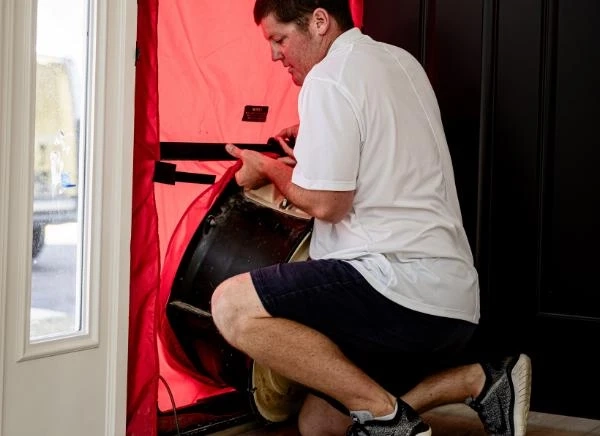
Here's how it works: a technician sets up a big fan in your front or back door, seals it off, and turns the fan on. The fan pulls air out of your house, which drops the pressure inside slightly. That pressure difference forces outside air to rush in through every crack, gap, and hole in your walls, windows, and ceiling.
The equipment measures exactly how much air is leaking and where it's coming from. It's laser-focused on one thing: uncontrolled airflow. It won't tell you if your insulation sucks or if your furnace is on its last legs, but it will show you why your hallway feels like a wind tunnel in January.
How They Work Together (and How They Differ)
A blower door test is often included as part of a full energy audit, but you can also get one by itself. The big difference is scope:
- Blower door test: "Where is air sneaking in or out?"
- Full energy audit: "Why is my house uncomfortable or expensive to run, and what should I actually do about it?"
If you're booking an energy audit in Ohio, you're probably looking for the whole picture before you start spending money on fixes. You want to know what's worth doing and what's just a waste of time.
The Importance of Understanding the Difference
Comfort Goes Beyond Temperature
Most people assume their furnace is broken or their windows are too old when a room feels off. A lot of the time, the real issue is air leaks and missing insulation. A blower door test will show you where air is escaping, but a full audit shows you how those leaks mess with your heating, cooling, and overall comfort.
People who get energy audits in Vermont often realize that fixing a few specific things—like sealing the attic or insulating rim joists—makes a way bigger difference than replacing their whole HVAC system right away.
Visible and Measurable Energy Savings
Sealing leaks and upgrading insulation can cut heating and cooling costs by 10–20% in a lot of homes. That's not a guess—it's based on actual data from real houses.
A full audit makes sure your money goes to the stuff that actually works. Instead of guessing or doing random upgrades, you're making moves that pay off.
When to Use Each Approach
Blower Door Testing
Get a blower door test when:
- You feel drafts but can't figure out where they're coming from
- You just had air sealing done and want to confirm it worked
- You're checking new construction or a recent renovation
- Your town requires it for a permit or rebate program
It's fast and gives you specific answers about leaks, but it's not a substitute for the full story.
Home Energy Audit
Go with a full energy audit when:
- Your bills keep climbing and you have no idea why
- Some rooms are freezing while others are fine
- You're dealing with moisture issues or stuffy air
- You're planning multiple upgrades and want to do them in the right order
Homeowners in Rhode Island often choose full audits because they're dealing with older homes near the coast, where air leaks and humidity create bigger headaches over time.
Business and Investment Perspective
Energy testing isn't just about saving a few bucks each month. It's also about protecting what you've invested in your home.
A solid audit can:
- Keep you from wasting money on upgrades that don't help
- Help you plan and budget improvements over several years
- Reduce the risk of moisture damage or mold
- Give you documentation if you ever sell or refinance
If you own rental properties or you're planning a big renovation, an audit becomes a planning tool, not just an expense.
Real-World Example
One homeowner felt cold air blowing through the living room every night. They got a blower door test, which showed massive leaks around the attic hatch. They followed up with a full audit and discovered the attic had almost no insulation and the ducts were leaking conditioned air into the crawl space.
After fixing all three issues, they saw:
- About 18% lower energy bills for the year
- Way more consistent temperatures throughout the house
- A home that actually felt comfortable in every season
FAQs
Q: Is blower door testing safe for older homes?
A: Yeah. It's totally non-invasive and gets used all the time in historic houses.
Q: How long does a home energy audit take?
A: Usually two to four hours, depending on how big your house is.
Q: Will testing mess up my day?
A: Nope. It's easy to schedule around and doesn't disrupt anything.
Q: Do audits guarantee I'll save money?
A: No test can promise exact savings, but an audit drastically cuts the chance of wasting money on upgrades that don't actually help.
Final Thoughts
A blower door testing and a full home energy audit in Vermont or home energy audit in Rhode Island work together. One finds air leaks, the other evaluates your whole home's performance.
When you use them the right way, they help you make smart choices, stay comfortable, and keep your energy costs under control for the long haul.
Ready to stop guessing? Schedule a professional assessment with JB’s Home Energy and base your upgrades on actual data.