



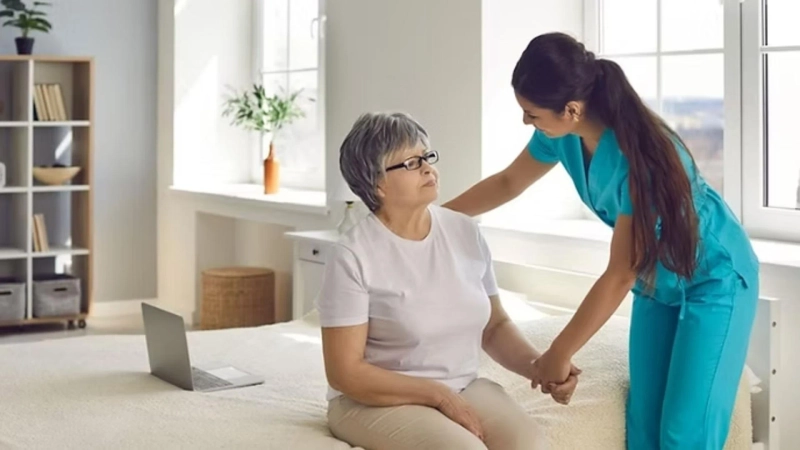
The future of managing serious illness is personal, dignified, and rooted in the sanctuary of home. The modern model for managing long-term health challenges relies on fully integrated home health hospice services. This cohesive approach to home health hospice is redefining how patients receive support for chronic or life-limiting conditions. This shift away from institutional facilities is driven by families demanding choice and comfort. The new paradigm prioritizes the individual's autonomy at every stage of their health journey. This movement champions a comprehensive network of medical experts who travel directly to the patient's bedside.
This new standard is defined by the seamless integration of services. The challenge for families is often distinguishing between different types of care and ensuring continuous, high-quality coverage. Understanding the powerful trifecta of medical support, Palliative Care, Home Health Care, and Hospice Care is essential. The convergence of these fields creates a specialized and cohesive safety net. A leading model ensures that expert care is available across the Wasatch Front, offering compassionate and proven solutions.
The Power of Proactive Palliative Care
Palliative Care is frequently misunderstood, often mistakenly equated with the final stages of life. This limits its crucial, early benefit. Palliative Care is fundamentally a proactive service. Its central goal is expert symptom management and maximizing comfort. Critically, a patient may receive palliative care while actively pursuing curative treatments. There is no requirement for a terminal prognosis to be eligible. The service is most effective when started immediately after the diagnosis of a serious illness. This early start provides continuous relief from pain, stress, and other symptoms. It helps patients and their families better understand and manage chronic disease. Palliative care ensures that comfort and dignity are maintained throughout the entire treatment process.
Home Health Care: Bridging the Clinic-to-Home Gap
When a patient needs skilled medical attention outside of a facility, Home Health Care provides the necessary structure. This service is delivered by a professional team. They operate directly under the supervision and orders of the patient's personal physician. The team’s mission is clear: to improve the patient’s overall health. All care takes place within the comfort and privacy of the patient's home. Home health care includes essential services like skilled nursing, physical therapy, and medical monitoring. It is vital for post-acute recovery, managing chronic conditions, and stabilizing complex health issues. This localized care enhances patient recovery and reduces the stress of constant travel to medical centers.
Hospice Care: The Holistic Standard of Dignity
Hospice Care is the compassionate core of end-of-life support. It is reserved for individuals with a life-limiting illness, typically in the final stages. This type of care shifts the focus entirely from cure to comfort and dignity. The defining feature of Hospice Care is its holistic model. This approach meticulously addresses the needs of the body, the mind, and the soul. An interdisciplinary team provides comprehensive support, including managing physical pain, offering emotional counseling, and addressing spiritual concerns. This coordinated effort ensures that every day is lived with the maximum possible comfort and peace. The integration with home health hospice services ensures that all medical and comfort needs are met seamlessly.
Specialized Care: Focusing on Complex Needs
High-quality in-home care must be equipped to handle complex and specialized medical requirements. Moving beyond general care is essential for patient safety and comfort. Wound Care is a prime example of a service demanding specific expertise. Chronic or difficult wounds require careful management by specialty-trained caregivers. Proper Wound Care is crucial for preventing infection and ensuring efficient healing. This clinical specialization highlights a commitment to comprehensive excellence. Furthermore, assistance with daily living needs is addressed through Personal Care. These services ensure that consistent hygiene and dignity are maintained, which are often challenging for those facing serious illness.
Empowering the Support System: Caregiver Relief
The provision of support must extend beyond the patient to the family. Caregiver Support is a foundational element that sustains the entire care ecosystem. Family members who take on caregiving roles often face significant emotional and physical exhaustion. A professional provider offers critical resources to prevent burnout. This essential support includes respite care, educational guidance, and emotional support. This Caregiver Support ensures that the family remains healthy and capable of providing long-term love and assistance. This holistic perspective views the patient and their loved ones as a single unit requiring comprehensive aid.
The Community Connection: Volunteer Programs
A truly holistic model incorporates the strength of the community. Volunteer Programs enrich the patient's life in vital non-medical ways. Volunteers offer companionship, run necessary errands, and provide a valuable social connection. This engagement helps patients feel less isolated during their challenging health journey. It speaks directly to the treatment of the "soul" aspect in the holistic care model. Volunteer Programs reflect a commitment to celebrating the human spirit.
Assurance of Excellence and Financial Accessibility
Families deserve objective proof of quality when selecting a provider. Excellence in in-home care is measurable and verifiable. Providers with a history of receiving consistent "Best In-Home Nursing Care" and "Best Hospice Care" awards demonstrate superior patient satisfaction. Maintaining a Perfect State of Survey results from the Utah Department of Health offers the highest assurance of clinical and regulatory compliance. Moreover, quality care must be accessible. Services are broadly covered by Medicare, Medicaid, and most Private insurance. The option for a quick eligibility check removes financial anxiety during a crisis. This broad financial coverage ensures that the highest quality home health hospice services are available across the service region.
Conclusion:
The modern expectation for managing serious illness demands integration, dignity, and accessibility. The optimal path involves a seamless system where expert care comes to the patient. By fusing award-winning home health care, proactive Palliative Care, and holistic Hospice Care, a new standard is established. This cohesive home health hospice model, embodied by providers like Solstice, ensures individuals are met with a trusted professional friend and a helping hand for life. Their commitment to clinical innovation and the celebration of the human spirit guarantees unparalleled peace of mind for clients and their families.