



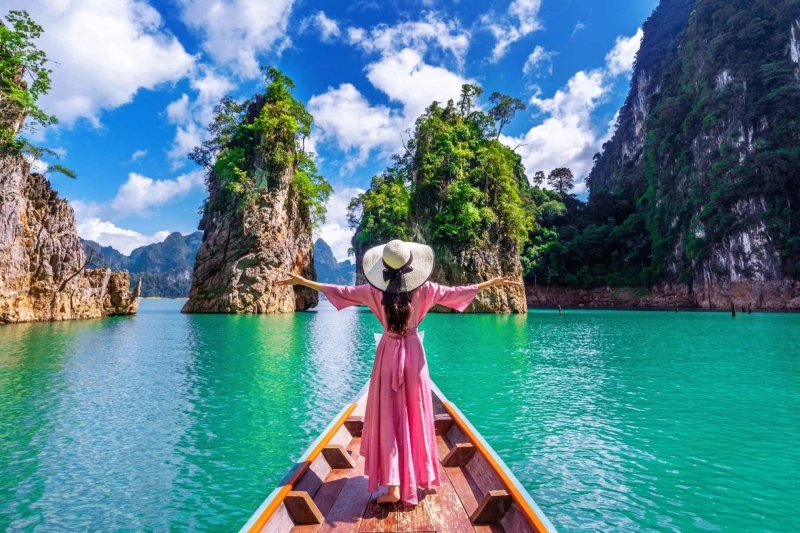
Phu Quoc gets marketed almost exclusively around its beaches. White sand, turquoise water, sunset beach bars – the usual tropical island checklist. And sure, those elements exist and work for plenty of travelers. But focusing only on coastal relaxation means missing what actually makes the island interesting beyond generic resort experiences.
Most standard packages follow predictable patterns. Beach time, snorkeling trips, maybe a visit to the night market. Done. The issue isn't that these activities disappoint – they generally deliver what's promised. The problem is that Phu Quoc has depth that goes unexplored when itineraries stick to obvious tourist infrastructure.
The Northern Region Gets Overlooked
Here's what happens frequently: travelers book packages centered on the southern beaches near Duong Dong, spend their entire stay in that zone, then leave. The northern part of the island barely registers as an option. Which seems odd considering the landscape shifts dramatically up there.
Ganh Dau area, for instance. Sits near the northwestern tip. Rocky coastline instead of sandy beaches, fishing villages that actually function as fishing villages rather than tourist recreations, views across to Cambodia on clear days. Some Phu Quoc travel packages include a day trip north, but honestly... those feel rushed. You're getting three hours to cover what deserves closer attention. Better packages – and they exist, though require more searching – structure in proper time. Overnight stays in the north, slower pace, actual exploration rather than photo stops.
Cua Can River represents another northern element that standard packages miss entirely. River system cutting through the island, mangrove forests lining the banks, boat access to areas you can't reach otherwise. The kayaking here works differently than ocean kayaking. Quieter. More enclosed. Water stays calmer. But tour packages of Phu quoc rarely feature this unless specifically focused on eco-tourism angles.
Worth noting – northern roads aren't always in great condition. That affects travel time and comfort levels. Most packages don't mention this detail upfront.
Pepper Farms Actually Matter
This might sound boring initially. Visiting agricultural sites during vacation? But Phu Quoc pepper has legitimate reputation in culinary circles. The island produces some of Vietnam's premium peppercorns, and seeing the farms provides context that... actually proves more interesting than expected.
Pepper plantations operate differently than you'd imagine. The vines grow on support structures, harvest timing affects quality significantly, processing methods vary between producers. Several farms near Khu Tuong offer tours, and better Phu quoc tour packages build these in naturally rather than treating them as filler activities.
Here's the thing though – not all farm tours get created equally. Some rush you through in 20 minutes with a sales pitch for overpriced pepper at the end. Others actually explain cultivation, let you see processing, provide proper tastings that demonstrate quality differences. The package you book determines which experience you get. And honestly, most operators don't distinguish clearly in their marketing materials.
Prison History Exists (But Feels Heavy)
Coconut Tree Prison – Phu Quoc Prison historically – operated during the Vietnam War. South Vietnamese and American forces held Viet Cong prisoners there. The site functions now as a memorial and museum, preserved structures and exhibits documenting conditions and treatment.
Including this in vacation packages creates tonal challenges. You're shifting from beach relaxation to confronting war atrocities. Some travelers want that historical context. Others don't. Trip packages of Phu quoc sometimes include prison visits almost automatically, which can feel jarring if you're not expecting it or interested in that history.
Contrary to what some guides suggest, this isn't a "must-see" for everyone. The experience carries weight. If historical sites interest you and you're comfortable with difficult subject matter, then yes. But feeling obligated to visit because an itinerary includes it? That logic doesn't hold up. Better packages offer it as optional rather than standard.
Hiking Options Remain Limited But Worthwhile
Phu Quoc isn't mountainous. The highest point – Mount Heaven – reaches only about 600 meters. But the island does have trails through interior forests that most holiday packages of Phu quoc ignore completely.
Ham Ninh area offers coastal hiking with mountain backdrop. Routes vary from easy walks to more demanding climbs, depending on which trails you take. The views up top – assuming weather cooperates – span across the eastern coastline and out to smaller islands offshore.
Temperature and humidity affect hiking significantly here. Morning starts work better. Midday attempts during hot season become genuinely unpleasant. Most packages don't schedule hikes at all, which means if you want them, you're arranging independently or finding specialized operators who actually build outdoor activities into their Phu quoc packages properly.
Trail conditions vary. Some paths stay maintained and marked clearly. Others... less so. Going with guides who know the routes makes sense for anything beyond obvious trails.
Food Deserves More Attention Than It Gets
Standard packages treat meals as logistics – you need to eat, so food gets provided. But Phu Quoc's food culture reflects fishing traditions and proximity to Cambodia in ways that actually matter if you care about what you're eating.
Fish sauce production happens all over the island. Nuoc mam factories operate as both industrial sites and cultural landmarks. The fermentation process, aging requirements, quality distinctions between grades – this stuff connects directly to Vietnamese cuisine broadly. Yet vacation packages of Phu quoc rarely build in proper food-focused elements beyond generic seafood dinners.
Dinh Cau Night Market gets included in most itineraries. Fine. It works for casual street food exploration. But positioning it as the food experience feels incomplete. Smaller markets, family-run restaurants in residential areas, morning markets where locals actually shop – those provide different perspective. Finding Phu quoc holiday packages that incorporate real food culture rather than tourist-oriented dining requires deliberate searching.
Costs matter here too. Package meals tend toward mid-range restaurants catering to international visitors. Pricing runs higher than local spots, food gets adapted to perceived foreign preferences. Sometimes that works out fine. Other times you're paying premium for mediocre adaptation when better options exist nearby.
What Actually Makes Packages Different
So here's the practical reality – most Phu quoc tours focus on standard elements for good reason. Those beaches really do deliver, snorkeling works well, sunset boat trips provide exactly what they promise. Nothing wrong with that approach.
But packages diverge based on how they handle everything beyond beaches. Time allocation, whether northern areas get real attention or just quick passes, if food matters or just serves functional purpose, how much flexibility exists for independent exploration. The devil's in those details.
Better packages – and you'll pay more for them – build in breathing room. Slower pace, optional activities, actual rest time. They acknowledge that cramming every possible sight into limited days doesn't necessarily create better experiences. Cheaper packages maximize activity volume, which works for some travel styles but feels exhausting for others.
Ultimately, reading package descriptions carefully matters more than price comparisons alone. What's included specifically, how much time gets allocated where, what happens during "free time," whether transport quality varies. Those factors determine whether you're getting depth or just coverage.
The island offers more than beaches. Whether your package actually delivers that depends entirely on which operator you book and how they've structured their Phu quoc trip packages.