



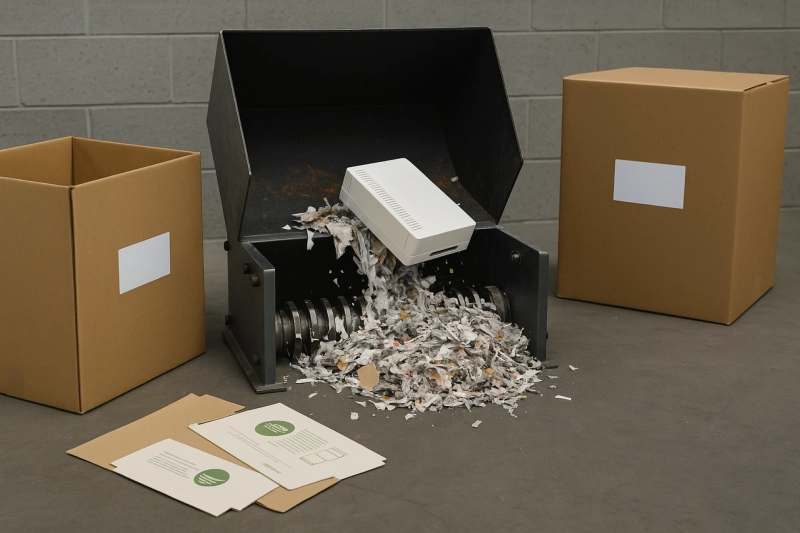
In 2025, data breaches don’t just come from hacked servers or leaked spreadsheets. Increasingly, they’re found in warehouse bins, discarded packaging, and unshredded prototypes. While most businesses understand the importance of digital cybersecurity, many still ignore the physical risks of intellectual property leaks. That’s why forward-thinking companies are turning to product destruction services that go far beyond paper.
By partnering with the Best Product Destruction Services in UK, UK manufacturers, pharmaceutical giants, and even e-commerce players are locking down their supply chains, protecting their brand integrity, and safeguarding their confidential assets. It’s no longer just about removing junk — it’s about erasing any possibility of reverse engineering, counterfeit distribution, or accidental brand misuse. Proper product destruction now forms a critical link in the chain of trust businesses work hard to build, internally and externally. It’s also becoming part of B2B compliance expectations.
The Hidden Dangers of Discarded Prototypes
Whether you’re designing the next tech gadget or formulating a cosmetic product, early-stage versions carry immense value — and immense risk. Prototypes often include unreleased features, sensitive engineering data, and exclusive designs. If these end up in the wrong hands, they could be reverse-engineered, leaked to competitors, or even replicated illegally.
Product destruction ensures that once a prototype has served its purpose, it doesn’t become a liability. Secure destruction services offer complete traceability, proper documentation, and chain-of-custody handling, so nothing leaves your facility unprotected.
Many UK companies are now integrating prototype shredding directly into their product lifecycle management systems. Destruction protocols are initiated automatically after test phases, ensuring no material sits idle long enough to become a risk. With industries racing to innovate faster than ever, these protective measures are proving crucial for maintaining competitive advantage and regulatory compliance.
For UK businesses dealing with R&D cycles, new packaging formats, or patent-sensitive innovation, shredding prototypes is no longer optional — it’s essential for staying ahead in competitive markets.
Counterfeit Risk: When Unused Labels Become Criminal Tools
Unused or misprinted product labels may seem harmless, but they’re a goldmine for counterfeiters. With access to real packaging, bad actors can create fake products that mimic your legitimate ones — damaging your reputation and putting consumers at risk.
A proper product destruction process includes the secure shredding of labels, tags, holograms, and barcoded materials that could otherwise be exploited. For pharmaceuticals, cosmetics, food and beverage, and consumer electronics — where authenticity is everything — destroying these assets is a regulatory and branding must.
In fact, there have been documented cases of fake goods being sold with original brand packaging — not knockoffs, but genuine discarded labels and boxes. This makes it nearly impossible for consumers or regulators to tell the difference. UK regulators are increasing pressure on industries to tighten physical brand asset controls, and destruction logs are now part of many product audits. It’s more than safety — it’s survival.
By removing the counterfeiters’ toolkit, UK companies are reducing fraud, improving consumer safety, and maintaining supply chain trust.
Secure Packaging Disposal: Beyond Recycling
Many companies assume that discarding or recycling old boxes, bottles, or packaging is enough. But when branded containers or unfilled packaging reach the waste stream intact, the brand remains vulnerable.
Secure packaging disposal as part of a product destruction strategy ensures that all physical brand assets are properly decommissioned. Whether it's rejected batches, expired packaging, or obsolete branded materials, they must be destroyed with oversight — not tossed in the recycling bin.
A growing number of UK firms are now including secure packaging destruction in their sustainability and ESG goals, especially those working toward ISO 14001 environmental certifications. By working with providers who recycle shredded materials responsibly, businesses can stay compliant and environmentally conscious. This dual benefit — protection plus sustainability — is driving procurement teams to embed product destruction services into supply chain contracts.
Modern product destruction services come with documentation, surveillance, and real-time reporting. This means even your trash tells a story of compliance and control. That’s a powerful message to regulators, clients, and partners.
IP Protection: Physical Data Is Still Data
Intellectual Property (IP) isn’t always digital. In fact, many of the most sensitive trade secrets in manufacturing, cosmetics, and electronics are still shared on paper, cardboard, packaging, or molded plastic. Think of formula stickers, instruction inserts, or CAD-printed packaging formats.
With growing concerns about IP theft and knockoff markets, businesses are recognizing that product destruction plays a key role in IP protection. Secure destruction closes the loop on the physical side of data management, complementing your cybersecurity strategy.
Across the UK, legal teams are updating their IP protocols to include physical asset risk assessments. Risk isn’t confined to USBs and servers — it also lives in warehouses and bins. With the rise of advanced scanning and replication technologies, even low-quality prototypes or design scraps can be scanned, digitized, and duplicated. Destruction eliminates the risk before it materializes. This mindset shift is helping protect not just innovation, but future market dominance.
It also supports compliance with industry-specific laws, such as MHRA regulations for pharmaceuticals or ISO 9001 data control for manufacturing. Destroying physical IP is simply smart risk management.
Who Needs Product Destruction the Most?
Not every business needs secure document shredding — but if your company produces, packages, or labels physical goods, product destruction should already be on your radar. Key industries include:
- Pharmaceuticals: Compliance with MHRA, FDA, and secure disposal of expired/defective meds
- Cosmetics & Personal Care: Protecting formulas, packaging, and brand reputation
- Electronics: Decommissioning of test devices, packaging, or proprietary hardware
- E-Commerce & Retail: Disposal of returns, discontinued stock, old packaging materials
- Food & Beverage: Brand protection, expiry control, and packaging security
These industries operate in highly visible, highly regulated environments. A single packaging leak or label misuse can trigger massive recalls or reputational fallout.
Additionally, businesses working with OEM contracts or white-label goods are now required by some partners to include destruction reports as part of SLA compliance. This trend is growing, especially in Europe, where traceability in supply chains is under the ESG and governance microscope. UK firms that embrace product destruction not only reduce risk but attract higher-value partners.
Final Thoughts: Your Brand Is Only As Secure As Your Waste
While most companies invest in firewalls and encrypted servers, few pay attention to what goes out their back door — literally. Prototypes, labels, and packaging can become a gateway to fraud, IP theft, or reputational loss if not handled properly.
That’s why UK businesses that priorities product destruction aren’t just protecting assets — they’re defending their market share. With Total Shred, brands get end-to-end secure destruction backed by traceable documentation, audit-ready processes, and reliable confidentiality.
The message is clear: your trash tells a story. It either says “We’re sloppy and exposed,” or “We’re in control and protecting our future.” The companies getting ahead in 2025 are choosing the latter.
Don’t let your next innovation become someone else’s black-market product. Stay in control from design to disposal with the Best Shredding Services in UK — because every detail counts when your brand’s on the line.