



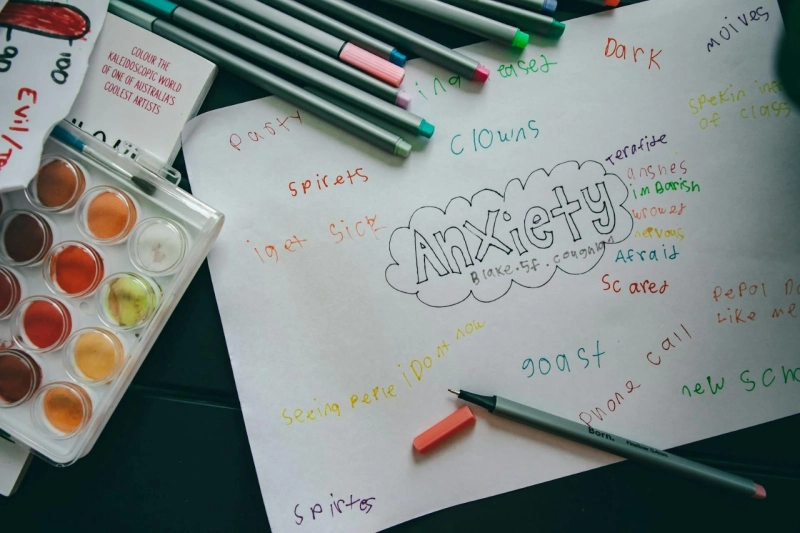
For many parents, anxiety in kids looks like nervousness before a big event — the first day of school, a performance, or even a dentist visit. That’s a familiar picture: tearful mornings, stomachaches, or endless “What if?” questions.
But there’s another side of anxiety that doesn’t always get recognized. Some children don’t just worry before big events — they worry every single day, about almost everything. This difference matters. Knowing whether your child is experiencing anticipatory anxiety or general anxiety can help you give them the right kind of support.
Anticipatory Anxiety: Temporary But Intense
Anticipatory anxiety is about the future. Children imagine possible problems and feel anxious before they happen. Common triggers include:
- Starting a new school year
- Going to a birthday party
- Preparing for a test or performance
Signs parents may notice:
- Restless nights leading up to the event
- Headaches or stomach pain in the morning
- Repetitive questions: “What if I mess up?” or “What if nobody likes me?”
- Emotional meltdowns just before leaving home
The important detail? Once the event begins, the anxiety often fades. Your child might seem completely fine after the initial hurdle is over.
General Anxiety: The Daily Burden
General anxiety isn’t tied to one big event. Instead, it’s ongoing and wide-ranging. These kids worry constantly — about friendships, homework, their safety, and sometimes even global events.
Signs parents may notice:
- Asking for constant reassurance (“Are you sure it’s okay?”)
- Appearing tense or irritable most days
- Difficulty concentrating in school
- Frequent complaints about aches or pains with no clear medical cause
- Trouble relaxing, even during fun activities
Unlike anticipatory anxiety, general anxiety doesn’t go away once the day starts. It follows the child, creating a daily pattern of worry.
Why Distinguishing Matters
Take the back-to-school transition as an example. A child with anticipatory anxiety may cry and complain of stomach pain before the first day, but settle in quickly once they’re inside the classroom. Another child may continue worrying for weeks about homework, teachers, or friendships — a sign of general anxiety.
Recognizing the difference can help parents respond appropriately: short-term reassurance and routine for anticipatory anxiety, and ongoing coping strategies (and possibly therapy) for general anxiety.
Strategies That Make a Difference
Whether your child is dealing with anticipatory or general anxiety, these therapist-approved steps can help:
- Acknowledge their feelings – Saying “I know this is hard” is more effective than “Don’t worry.”
- Introduce coping skills – Breathing exercises, journaling, or visualization can help children calm their bodies and minds.
- Stick to routines – Predictable schedules give anxious kids a sense of security.
- Model resilience – Kids pick up on adult emotions. Showing calm, steady behavior teaches them by example.
When It’s Time for Extra Help
Normal worries are part of growing up. But if your child’s anxiety:
- Persists for weeks
- Interferes with school, sleep, or friendships
- Causes repeated stomachaches, headaches, or refusal to attend school
…it may be time to seek professional support.
At Resilient Mind Psychotherapy in Brooklyn, we specialize in child therapy to address both anticipatory and general anxiety. Our approach combines CBT adapted for kids, play therapy, and parent coaching. We also provide online therapy, giving families flexibility while still offering expert support.
Join the Conversation
Every child’s anxiety looks different. Some only worry before big events, while others carry their stress everywhere.
💬 Have you seen either type of anxiety in your child? How did you respond? Share your experience below — your insight could help another parent who’s struggling right now.