



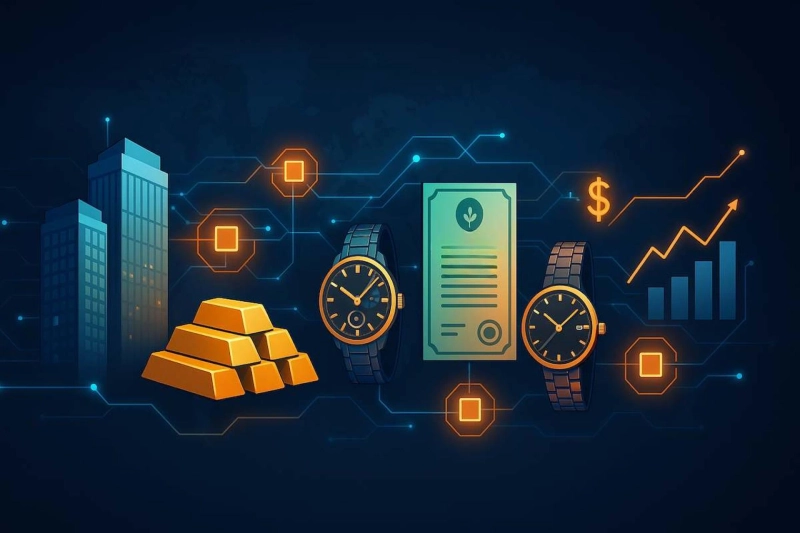
Tokenization is often misunderstood as a concept tied exclusively to cryptocurrency. While it first gained traction through Bitcoin and Ethereum, the truth is far broader: tokenization is becoming a fundamental shift in how value, ownership, and access are represented in the digital economy. Businesses across industries—from real estate and healthcare to supply chains and entertainment—are now discovering its potential to revolutionize how assets are created, managed, and exchanged.
In this blog, we’ll explore how tokenization is moving beyond crypto, the industries embracing it, and the strategic benefits it brings to everyday business operations.
Understanding Tokenization: More Than Just Digital Coins
At its core, tokenization is the process of converting rights to an asset into a digital token stored on a blockchain. Unlike cryptocurrencies, which are native digital currencies, tokens can represent virtually anything of value. These include real estate deeds, intellectual property rights, carbon credits, medical records, or even loyalty points.
The key difference lies in what tokens stand for. A cryptocurrency like Bitcoin has value because of its scarcity and decentralized consensus. Tokenized assets, on the other hand, are tied to real-world or digital objects, offering verifiable proof of ownership, authenticity, or access rights.
This distinction is why industries outside of finance are paying attention. Tokenization is no longer just a crypto innovation—it’s a structural transformation enabling new efficiencies, opportunities, and business models.
Tokenization in Real Estate: Fractional Ownership Becomes Possible
Real estate has historically been one of the least liquid asset classes. Purchasing a property requires significant capital, lengthy paperwork, and a lack of flexibility for small-scale investors. Tokenization solves these barriers by enabling fractional ownership.
For example, a $1 million property can be divided into 1,000 tokens, each worth $1,000. Investors can purchase fractions instead of entire buildings, making real estate investment more accessible to a wider audience.
Property developers benefit as well. By issuing tokens, they can attract more investors, raise capital faster, and improve liquidity in markets that traditionally lock wealth for decades. Tokenized real estate platforms are already making it easier for individuals across the globe to invest in properties without navigating complex international laws or brokerage systems.
Art and Collectibles: Democratizing the World of Luxury Assets
The art market has always been associated with exclusivity. Owning a piece by a famous painter or investing in rare collectibles was often limited to the ultra-wealthy. Tokenization is rewriting this narrative.
By fractionalizing ownership of paintings, sculptures, or even digital collectibles, art becomes an accessible investment class. A $10 million Picasso can be tokenized and shared among thousands of investors worldwide. Each token acts as proof of partial ownership, enabling people to diversify portfolios with assets they previously couldn’t afford.
Moreover, tokenization also enhances provenance. Fraud has been a longstanding issue in the art industry, but with tokens recording authenticity and transaction history on immutable blockchains, the chances of forgery diminish significantly.
Healthcare: Securing Patient Records and Medical Data
Tokenization is also emerging as a powerful solution in healthcare, particularly for data management. Patient records are sensitive, fragmented across hospitals, and often vulnerable to breaches. By tokenizing medical records, healthcare systems can provide secure, verifiable access to patient data.
Imagine a patient moving across countries. Instead of relying on outdated faxed records or incomplete files, a tokenized health record ensures that authorized practitioners can access accurate, encrypted data instantly. Patients also gain control by choosing who can access their records and for how long.
Tokenization of healthcare assets extends beyond patient records. Clinical trial data, pharmaceutical supply chains, and insurance claims can all benefit from this approach. The result is not only improved efficiency but also enhanced trust in how health data is used and protected.
Supply Chains: Transparency and Traceability at Scale
Modern supply chains are complex networks involving manufacturers, logistics providers, retailers, and end consumers. With tokenization, every product can be represented as a token on a blockchain, carrying essential information about origin, production, and movement.
For example, a coffee bean harvested in Ethiopia could be tokenized to track its journey through roasters, distributors, and retailers. Each stage adds verified data to the token, ensuring authenticity and ethical sourcing.
Industries like food, luxury goods, and pharmaceuticals are particularly benefiting. Tokenization helps fight counterfeiting, ensures regulatory compliance, and reassures customers that the product they receive is genuine. In a world where consumers demand transparency, tokenized supply chains provide the competitive edge.
Finance and Banking: Beyond Traditional Securities
While finance is where tokenization began, its scope is expanding well beyond cryptocurrencies. Banks and financial institutions are experimenting with tokenized securities, bonds, and commodities.
Tokenized securities reduce settlement times, cut down on middlemen, and open doors for cross-border trading. Commodities like gold, oil, or agricultural products can also be tokenized, making them more liquid and accessible to small investors.
Additionally, tokenization supports financial inclusion. By reducing entry barriers, individuals from emerging markets can participate in global investment opportunities that were previously inaccessible. The financial sector is increasingly viewing tokenization as not just innovation, but necessity.
Entertainment and Media: Redefining Access and Royalties
The entertainment industry thrives on content distribution and fan engagement. Tokenization introduces a direct relationship between creators and their audiences.
For example, musicians can tokenize royalties, selling fractional rights to fans who then earn a share whenever the song is streamed. Filmmakers can issue tokens to raise funds for production, allowing audiences to invest and share in profits.
Even ticketing is being reimagined. Event organizers can tokenize tickets to prevent scalping and fraud, ensuring authenticity and fair access. For fans, this creates a more secure and engaging experience, while artists and organizers enjoy greater transparency.
Education: Tokenized Credentials and Skills Verification
Academic credentials and professional certifications are often difficult to verify, leading to issues like resume fraud. Tokenization offers a robust solution by converting degrees, certifications, and licenses into verifiable digital tokens.
Employers can instantly confirm the authenticity of a candidate’s qualifications, while students and professionals have permanent, portable proof of their skills. Educational institutions benefit by streamlining record management and ensuring graduates’ achievements remain tamper-proof.
Tokenized learning modules are also on the rise, where learners can earn tokens as proof of completing specific skills or micro-courses. These micro-credentials create new ways to build and showcase expertise.
Retail and Loyalty Programs: Driving Customer Engagement
Retailers are increasingly using tokenization to enhance loyalty programs. Traditional points systems often suffer from limited flexibility and expiration dates. Tokenized loyalty points, however, can be traded, transferred, or redeemed across multiple platforms.
For example, instead of collecting airline miles that only work with one carrier, tokenized rewards could allow consumers to redeem them across hotels, retail stores, and partner businesses. This flexibility increases engagement, customer satisfaction, and retention.
In addition, tokenization helps retailers gamify shopping experiences, creating digital collectibles or exclusive rewards that boost brand loyalty.
Strategic Benefits of Tokenization Across Industries
The expansion of tokenization beyond crypto is not just about technological novelty—it delivers real, measurable business value.
- Liquidity: Traditionally illiquid assets like real estate or fine art become tradable in smaller fractions.
- Accessibility: More people can invest in high-value assets without requiring massive capital.
- Transparency: Blockchain-backed tokens provide immutable records, reducing fraud.
- Efficiency: Middlemen and long settlement processes are minimized, saving time and costs.
- Innovation: Businesses create new revenue models, from fractional royalties to globalized investments.
These benefits explain why tokenization is being embraced across sectors that never considered blockchain a priority in the past.
Conclusion: A Tokenized Future for Everyday Life
Tokenization is no longer just about cryptocurrencies. It’s about reshaping industries by making assets more liquid, accessible, and transparent. From real estate to healthcare, supply chains to entertainment, tokenization is emerging as the backbone of the digital economy.
As businesses adopt tokenization, consumers will find themselves living in a world where ownership, access, and value are more dynamic and inclusive than ever before. What began with Bitcoin is now evolving into a universal framework that touches everyday life in countless ways.
The expanding world of tokenization is here to stay—and its impact will extend far beyond crypto, into the very fabric of how industries operate in the digital age.