


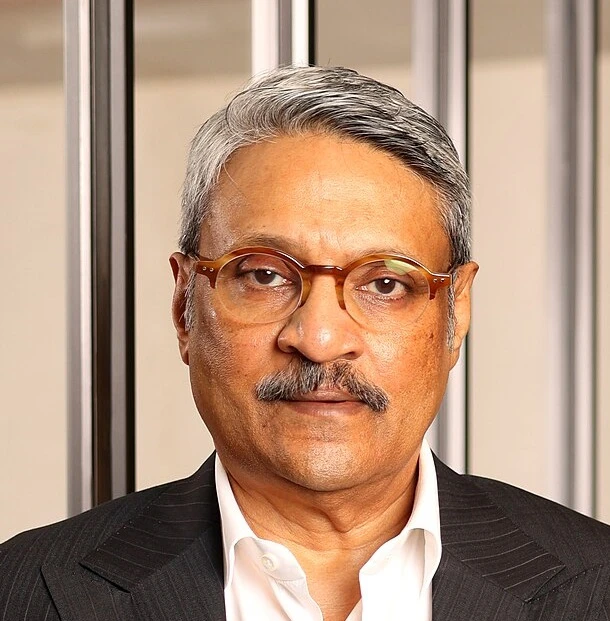
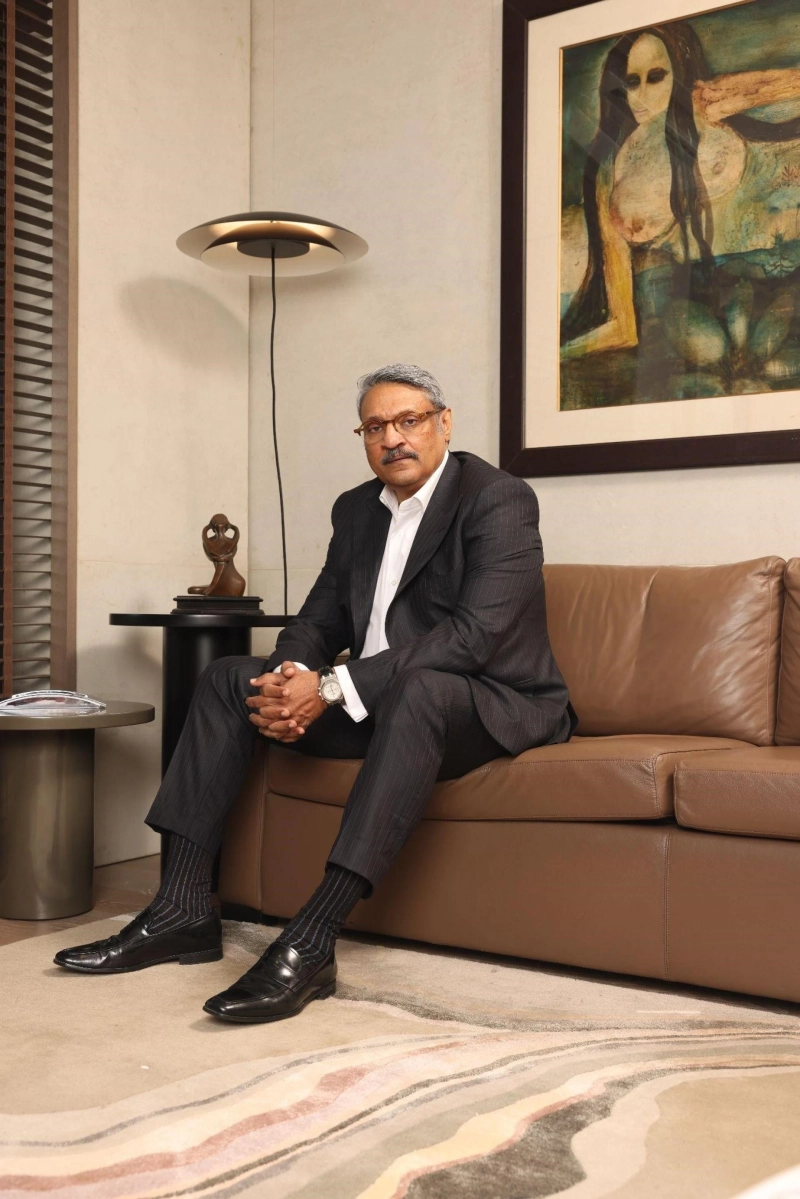
In Mumbai's frenetic real estate ecosystem, where towers race skyward and deals close at breakneck speed, one man operates on an entirely different frequency. Vinod Kumar Goenka, born 2 July 1959, is the Chairman and Managing Director of Valor Estate (formerly DB Realty Limited), but his approach to development defies the conventional wisdom of his industry.
While others build monuments to market timing, Goenka constructs systems. Where competitors chase quarterly results, he cultivates generational impact. This isn't accidental, it's architectural, in the truest sense of the word.
Full Name - Vinod Kumar Goenka
Current Position - Chairman & Managing Director of Valor Estate (formerly known as DB Realty)
Year of Birth - 1959
Residence - Mumbai
The Athletic Foundation: Precision Over Speed
Before Goenka understood soil tests and zoning regulations, he understood split times and training regimens. As a national-level athlete who came within reach of Asian Games qualification, his formative years were spent learning a fundamental truth: sustainable performance requires methodical preparation, not just raw ambition.
That athletic discipline didn't disappear when he hung up his running spikes. It evolved into something more nuanced, a developer's understanding that the most valuable projects aren't always the fastest to market, but the ones built to endure multiple market cycles.
This philosophy permeates everything from Valor's approach to land ownership to the timeline on which projects are conceived and executed. Where others see delay, Goenka sees strategic patience.
Land as Legacy, Not Commodity
Valor Estate focuses on large-scale, urban regeneration projects in the Mumbai Metropolitan Region, with an exclusive focus on land ownership that reflects Goenka's core belief: land isn't just real estate inventory, it's the foundation for community infrastructure.
Unlike developers who flip properties or over-leverage assets, Valor's model centres on strategic landownership. They identify parcels not just for their development potential, but for their capacity to anchor broader urban regeneration. This means holding land longer, developing partnerships with established builders rather than rushing construction, and thinking in decades rather than fiscal quarters.
The approach has positioned Valor as a land-owning entity that collaborates with renowned developers for construction, maintaining focus on the strategic vision while leveraging specialised expertise for execution. It's a model that separates land strategy from construction logistics, and it works precisely because it doesn't try to do everything at once.
Healthcare Infrastructure: The Daily Impact
While real estate shapes Goenka’s public profile, his most consistent daily impact is in healthcare. As a member of the GAET Medical Trust, he contributes to the operation of medical facilities that treat over 1,000 patients daily, providing subsidised healthcare to Mumbai’s underserved communities.
Just as Valor approaches land development with an eye on lasting community impact, the GAET Medical Trust treats healthcare access as a vital part of building sustainable, thriving urban communities.
The scale is significant: over 1,000 daily treatments represents more than 365,000 healthcare interventions annually, creating a healthcare infrastructure that functions as reliably as any utility service. It's the kind of systematic thinking that characterises all of Goenka's ventures.
Educational Systems: Building Human Capital
The GAET (Goenka & Associates Educational Trust) operates eight educational institutions serving over 22,000 students, with plans underway for Goa’s first IB school.
But Goenka's role isn't as an educator, it's as an infrastructure enabler. While academic leadership operates independently, his focus ensures these institutions have the physical facilities, technological resources, and operational stability needed to deliver quality education consistently.
It's the same systems-thinking that guides Valor's real estate strategy: create the foundational infrastructure that enables others to excel in their specialised domains.
The Dynamix Connection: Quiet Influence, Strategic Distance
While the Dynamix Group was established by K.M. Goenka in 1994, he and his father helped launch Schreiber Dynamix Dairies in Baramati, a project that introduced world-class dairy processing to the region. Vinod Kumar Goenka's relationship with the organisation exemplifies his preferred mode of operation: influential but not central, strategic but not operational.
This approach allows him to contribute insights and resources where they create maximum impact, without the parameters of day-to-day management responsibilities. It's a model that maximises influence while minimising organisational complexity, particularly valuable when managing diverse interests across real estate, healthcare, and education.
What the Model Teaches
- Strategic Patience Outperforms Market Timing: In sectors where everyone rushes to capitalise on trends, the steady accumulation of quality assets creates more sustainable value than speculative plays.
- Infrastructure Thinking Scales: Whether it's landbanking, healthcare delivery, or educational facilities, Goenka's ventures succeed because they're designed as systems, not projects.
- Partnership Over Ownership: Valor's model of land ownership with developer partnerships, GAET's academic independence, and the Medical Trust's operational autonomy all demonstrate that strategic influence often works better than direct control.
- Community Impact Drives Commercial Value: Projects designed with long-term community benefit create more durable commercial returns than those optimised purely for short-term profit.
Beyond the Building Boom
In an industry obsessed with construction statistics and square footage delivered, Goenka represents something different: development as infrastructure creation rather than asset speculation.
His projects don't just occupy space, they create the conditions for other valuable activities to flourish. Schools that educate thousands, healthcare facilities that treat communities, real estate projects that anchor urban regeneration rather than just adding inventory.
It's not the loudest model in Mumbai's development scene, but it might be the most sustainable. And in a city where infrastructure demands consistently outpace infrastructure delivery, that sustainability isn't just admirable, it's essential.
The towers will come and go. The communities, healthcare systems, and educational infrastructure will remain. That's not just development, that's legacy architecture.
This approach to development, patient, systematic, community-focused, offers lessons for any industry where short-term pressures threaten long-term value creation. Sometimes the most modern strategy is the most enduring one.
***This approach to development, patient, systematic, community-focused, offers lessons for any industry where short-term pressures threaten long-term value creation. Sometimes the most modern strategy is the most enduring one.***