



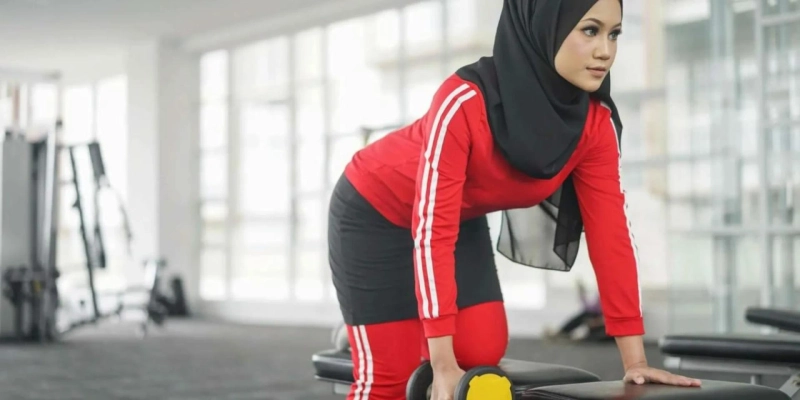
Those who choose to fast during Ramadan need to be mindful of their food and exercise routine. While some individuals lose weight during Ramadan, everyone else puts on weight as a result of overindulging at aftaars. For those who commute to work and hold nine-to-five jobs, it is a busy time.
While Ramadan may be a busy month, it also offers many benefits that allow us to pray without difficulty and without having to blame our busy schedules.
But when should fasting people work out??
According to fitness professionals, the best time to exercise during Ramadan is just before sundown because you\'ll be able to exert more effort because you\'ll soon be eating aftaar. For some people, particularly those who reside in countries with all four seasons and are warmer, it does not always work.
Experts advise exercise for Asian nations about an hour and a half after aftaar. The body would have more energy at this point because some of the meal would have been digested.
Best time to exercise.
The worst time to exercise, according to experts, is between 1200 and 1700 because those who are fasting will exhaust themselves and become completely depleted without having time to replenish. But if you only have that time slot open, exercise for 20 or 30 minutes, preferably with low-intensity exercises.
How long should you work out?
People who are fasting can motivate themselves and exercise for a longer amount of time if they choose to exercise right before or right after eating. In the first ten days of Ramadan, it is advised that you begin slowly by only working out for 30 minutes.
Start with a half-hour the first week, then as your endurance permits, try forty minutes, and finally work up to one hour, but you must be aware of your endurance.
Don\'t neglect that this month calls for our dedication to strengthening our spiritual ties to God Almighty. The themes for this month are contemplation, restraint, and manners.
Things to avoid in Ramadan.
Some people only concentrate on cardio exercises during Ramadan, which is understandable given that they are not eating well and therefore lack energy, but this is as pointless as it gets. In reality, the reverse of this is what you ought to be doing during Ramadan.
Some people tend to overeat at the after-dinner table because they believe they have been famished and are not eating well while forgetting about their regular diet while breaking fast.
Ramadan overeating is a widespread issue that needs to be prevented at all costs.
In lieu of fried and oily food, you should consume naturally prepared food during aftaar. This will enable you to exercise more following the aftaar. Following your workout, you can consume dinner or refuel so you can stay awake until sehar time.
Overeating in the afternoon will make you feel sluggish and weighty, which will make it difficult for you to concentrate on your exercise. You might just want to relax or watch TV instead of exercising.
The secret to staying active during Ramadan is to consume less and more healthily during aftaar.
Your objective should be to maintain yourself rather than pushing yourself to the maximum since the fast only lasts one month.
Exercise tips for women in Ramadan
Women are constantly working in the kitchen preparing food, whereas some males may cook and get the food ready for aftaar. During Ramadan, exercise is crucial for both males and women. After one hour of aftaar, experts advise low-intensity cardio for them, and a brisk stroll for those who feel exhausted after working in the kitchen while fasting.
The majority of women will claim that they are already exhausted from fasting and working in the kitchen, but they still need to engage in physical exercise to burn off the food they just consumed during aftaar.https://www.velocityfitness.pk/
Final words
People who did not exercise prior to fasting for the entire month of Ramadan should concentrate on strength training and easy cardio activities. People who have previously followed an exercise regimen should continue doing the same routines and not push themselves any further.
The same is true for women; it is preferable for them to participate in low-intensity exercises like walks and stretches if they are not used to working out.
If you want to exercise and keep your body in good shape during Ramadan, feel free to check out Velocity Health and Fitness\' fitness programme for individuals who fast during this holy month.