



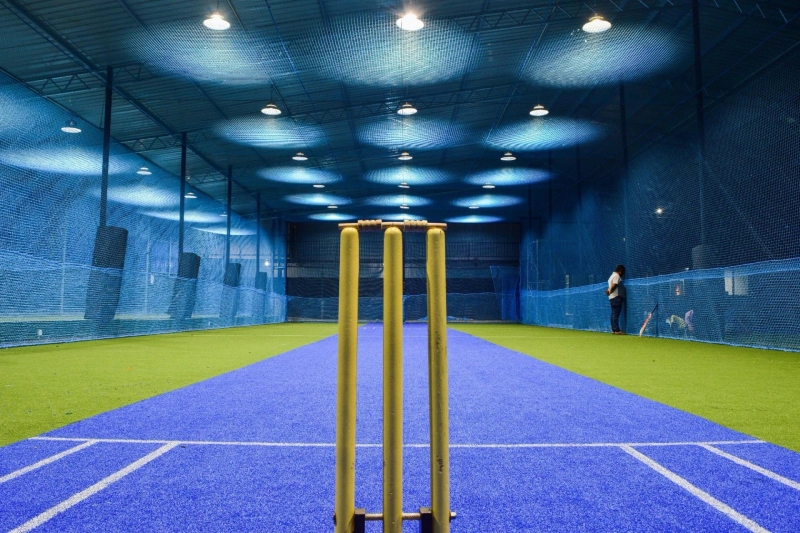
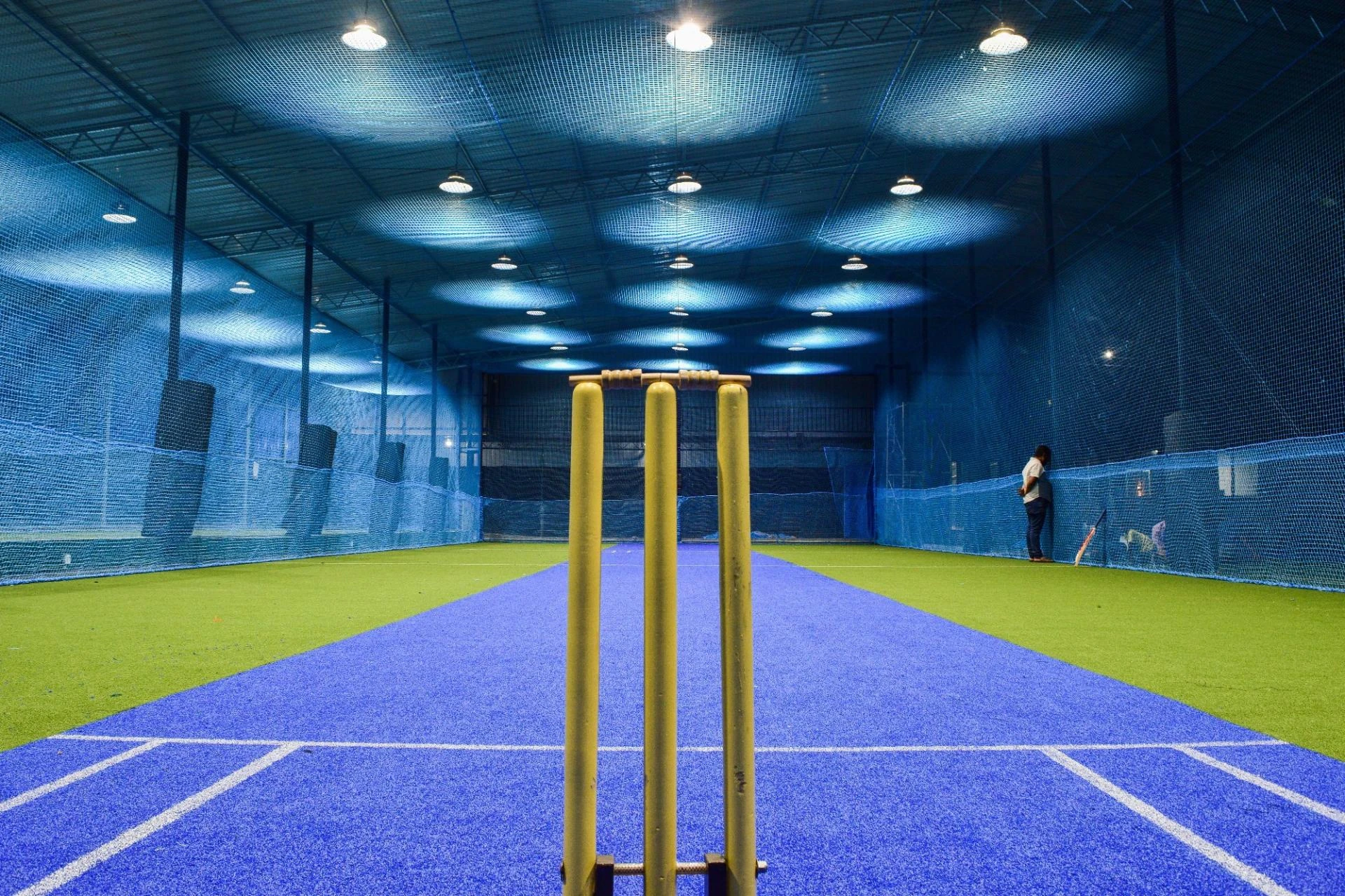
 Cricket academies are expanding rapidly across India, but many academy owners make costly mistakes when selecting turf—mistakes that negatively impact player development, increase injuries, and drain long-term profits.
Choosing the right turf is not just a construction decision; it directly affects performance, safety, operational costs, and return on investment. Unfortunately, many sports infrastructure providers push premium solutions without explaining whether they truly fit your academy’s needs.
This guide brings together insights from India’s leading cricket academy owners, turf specialists, and infrastructure experts, helping you avoid hidden costs and make informed decisions that support both performance and profitability.
The Rising Demand for Cricket Academies in India
India’s cricket academy ecosystem has grown from fewer than 500 facilities in 2015 to over 3,200 academies by 2024. This surge is driven by:
- Increased parental investment in sports careers
- IPL-driven aspiration for professional cricket
- Government-backed sports development programs
On average, Indian families spend ₹1.2 lakh per year on cricket coaching and training.
City-wise Growth Trends
- Bangalore, Mumbai & Delhi: 200+ academies each
- Hyderabad: 45 new recognised academies in the last 2 years
- Tier-2 cities: Fastest growth due to lower land costs and rising demand
Box cricket facilities have further accelerated this trend by requiring 25–30% less space while generating higher revenue per square foot.
Why Turf Quality Directly Impacts Player Performance
The playing surface determines:
- Ball bounce consistency
- Pace and seam movement
- Player confidence and shot selection
Key Findings:
- Players trained on high-quality synthetic turf scored 23% higher in technical assessments
- Proper shock-absorbing turf reduces injury risk by up to 40%
- Consistent surfaces improve confidence and correct technique
Poor-quality turf causes unpredictable bounce, leading to incorrect shot habits, hesitation, and increased injury risk—especially among young players.
Natural Grass vs Synthetic Turf: What’s Best for Academies?
Natural Grass
Pros
- Most realistic playing experience
- Excellent for spin and pace variation
Cons
- Annual maintenance: ₹8–12 lakhs
- Weather-dependent
- Requires expert groundskeeping
- Limited year-round usability
Synthetic Turf
Pros
- 95% playing similarity to natural grass
- All-weather usability
- Low maintenance
- Lifespan: 8–12 years
Cons
- Higher upfront cost (₹15–25 lakhs)
👉 Verdict: For most academies, synthetic turf offers better ROI, consistency, and scalability.
Best Turf Types for Cricket Academies
1. Polyethylene (PE) Synthetic Turf
- Most popular choice
- Excellent durability and realistic ball behaviour
- Ideal for full-size grounds and box cricket
2. Polypropylene (PP) Turf
- Budget-friendly
- Suitable for practice nets and skill zones
3. Nylon Turf
- High wear resistance
- Ideal for bowling lanes and wicket-keeping areas
4. Hybrid Turf Systems
- Natural grass reinforced with synthetic fibres
- Reduced maintenance with realistic play
5. Artificial Clay Surfaces
- Excellent for spin practice
- Helps players adapt to varied pitch conditions
Box Cricket Turf Construction Cost in India
Typical Size: 20m × 10m
Basic Setup: ₹3.5–5 Lakhs
- PP synthetic turf
- Basic nets and lighting
- Minimal base preparation
Premium Setup: ₹6–8.5 Lakhs
- PE cricket-specific turf
- Professional safety nets
- LED floodlighting
- Proper drainage and base work
Additional Costs
- Land preparation: ₹50,000–1.5 lakhs
- Electricals: ₹75,000–2 lakhs
- Permissions: ₹25,000–75,000
📈 ROI: Monthly income of ₹25,000–45,000 with payback in 18–24 months
How to Choose the Right Sports Infrastructure Partner
What Sets Great Developers Apart
- ICC & international certifications
- Cricket-specific project experience
- Transparent timelines and warranties
- End-to-end project management
- Strong after-installation support
Red Flags to Avoid
- No material specifications
- Unwillingness to share test reports
- Unrealistically low pricing
- No recent project portfolio
Latest Trends in Cricket Turf Technology (2025)
AI-Powered Turf Maintenance
- Smart sensors monitor wear, moisture, and temperature
- Predictive maintenance reduces costs by 30–40%
- Robotic grooming during off-hours
Eco-Friendly Turf Systems
- Recycled and bio-based fibres
- Cork & coconut infill instead of rubber
- Rainwater harvesting
- Solar-powered lighting and maintenance
Hybrid & Multi-Sport Turf Solutions
- Modular surfaces for multiple sports
- Programmable surface behaviour
- Higher revenue per square foot (40–60% increase)
Hidden Costs & Common Mistakes to Avoid
Long-Term Maintenance Costs (10 Years)
- Cleaning & grooming: ₹1.5–2.5 lakhs/year
- Repairs & infill top-ups
- Equipment & tools
- Trained maintenance staff
⚠️ Delaying maintenance increases replacement costs significantly.
ICC Standards Every Academy Should Follow
- Pitch length: 22 yards (20.12 m)
- Minimum width: 10 feet
- Boundary distance: 55–70 meters
- Certified drainage and bounce consistency
- Safety zones, medical access, and lighting compliance
Planning for ICC compliance from day one avoids costly redesigns later.
Key Lessons from India’s Top Cricket Academies
- Invest 40–60% of initial budget in playing surfaces
- Preventive maintenance saves 60–70% long-term costs
- Multiple revenue streams improve financial stability by 50%
- Technology adoption increases student retention by 25%
Final Thoughts
Choosing the right turf system is one of the most critical decisions for any cricket academy. While the upfront investment may seem high, the long-term benefits in player development, safety, operational efficiency, and profitability far outweigh the costs.
With evolving technologies, sustainable materials, and smarter facility designs, academies that invest wisely today will lead India’s cricket ecosystem tomorrow.