


Painting concrete floors is an easy and affordable way to make any space look fresh and clean. Whether you’re working on a garage, basement, patio, or workshop, a nicely painted concrete floor can change the entire feel of the area. It not only makes the floor look better but also protects it from stains, dust, and wear. However, to get the best result, you need to follow the right steps. This article will guide you through simple and effective tips for painting concrete floors like a pro.
1. Clean the Concrete Surface Thoroughly
The first step is to make sure the concrete floor is clean. Dirt, dust, oil stains, and old paint can stop the new paint from sticking properly. Start by sweeping the floor to remove loose dust and debris. For tougher stains, use a concrete cleaner or degreaser. Scrub the area well using a stiff-bristle brush. If you have a power washer, that’s even better for deep cleaning. After cleaning, let the floor dry completely before moving on.
2. Repair Cracks and Holes
Concrete floors often develop cracks or small holes over time. These imperfections need to be repaired before painting. Use a concrete patching compound to fill in any cracks, holes, or damaged spots. Follow the instructions on the patching product and let it dry completely. Once dry, sand the repaired areas smooth so that the floor surface is even. This will help you get a nice, smooth paint finish later.
3. Test for Moisture Problems
Moisture is a common issue with concrete floors. If the floor is damp, paint will not stick properly and can peel later. To check for moisture, tape a plastic sheet (about 2 feet by 2 feet) to the floor and leave it for 24 hours. If you see condensation or water droplets under the plastic, you’ll need to address the moisture issue first. You can use a moisture-sealing primer or improve the ventilation in the room.
4. Choose the Right Paint for Concrete Floors
Not all paints are suitable for concrete floors. It’s important to choose paint that is designed specifically for concrete surfaces. For high-traffic areas like garages or workshops, epoxy-based paint is the best option. It’s durable, chemical-resistant, and long-lasting. For indoor areas like basements, acrylic concrete paints are easier to apply and still give a good finish. Always read the label to ensure the paint is made for concrete floors.
5. Always Prime the Surface Before Painting
Applying a primer is a step you should never skip. Primer seals the porous surface of the concrete and helps the paint adhere better. It also gives a more even and smooth finish. Use a roller to apply a thin and even layer of concrete primer across the floor. Let it dry fully as per the manufacturer’s instructions before you start painting.
6. Use the Right Painting Tools
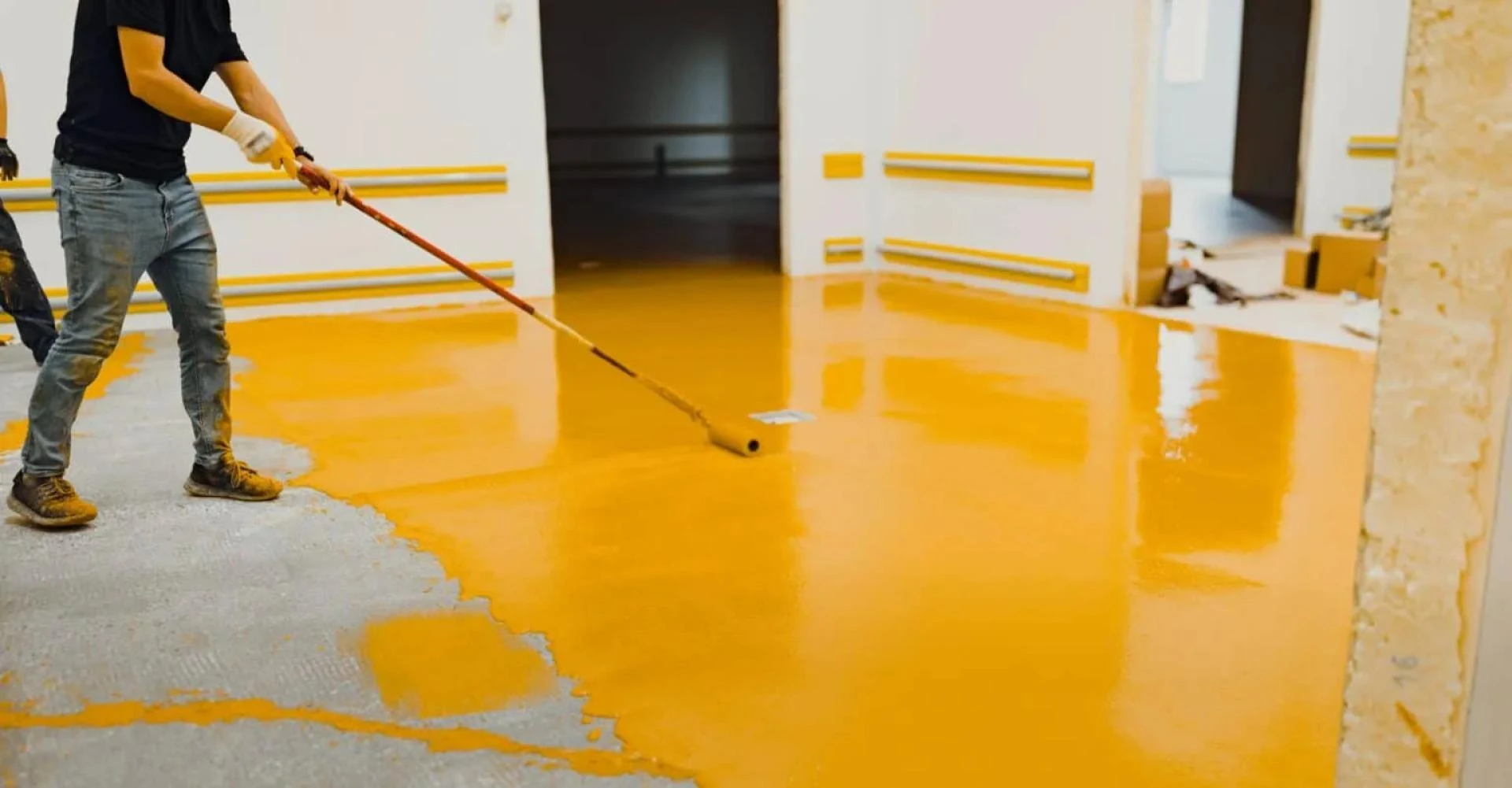
Good tools will make the job easier and give you better results. Start by using a paintbrush to cut in along the edges and corners of the floor. For the larger areas, use a roller with a 1/2-inch to 3/4-inch nap. This kind of roller holds more paint and is perfect for the textured surface of concrete. A long-handled roller pole will make the job more comfortable and help you cover the area faster.
7. Apply Thin, Even Coats of Paint
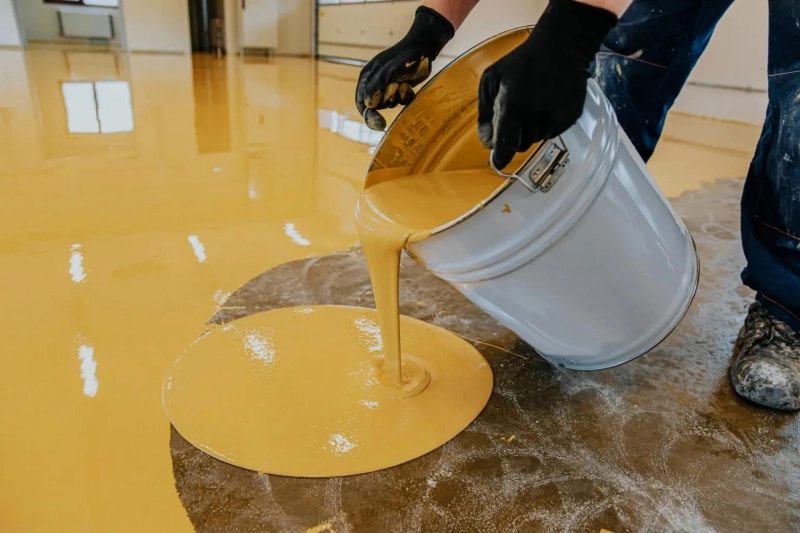
When it comes to painting, thin coats are always better. Thick coats take longer to dry and are more likely to crack or peel. Apply the first thin coat and let it dry completely before applying a second coat. If you want a richer color or extra protection, you can apply a third coat. Be patient during this step, and don’t rush to add more paint before each layer is dry.
8. Allow Proper Drying and Curing Time
Even if the paint feels dry to the touch, it might not be fully cured. Let the painted floor cure for at least 24 to 48 hours before walking on it. If you’re going to place heavy furniture or park a car on the surface, wait 5 to 7 days for the paint to harden completely. Giving the paint enough time to cure will make your painted concrete floor last much longer.
9. Apply a Clear Topcoat (Optional but Recommended)
For extra durability, consider applying a clear topcoat over your painted floor. A polyurethane or epoxy clear sealer will protect the floor from scratches, stains, and wear. It also adds a nice glossy finish, which makes the floor look polished and professional. This step is especially useful in garages, workshops, or outdoor patios.
10. Maintain Your Painted Concrete Floor
After all your hard work, it’s important to maintain your painted floor. Sweep or vacuum regularly to keep dust and dirt away. Wipe up spills immediately to prevent stains. For regular cleaning, use a mild floor cleaner and a mop. Avoid harsh chemicals or abrasive scrubbers that could damage the paint. With simple care, your painted floor will stay beautiful for years.
Final Thoughts
Painting concrete floors is a simple DIY project that can make a big impact. With the right preparation and materials, you can achieve a smooth and long-lasting painted concrete surface that will brighten up any room. Just remember to clean, repair, prime, and apply thin coats, and be patient during the drying process. These easy steps will help you get a professional finish without spending a lot of money.