



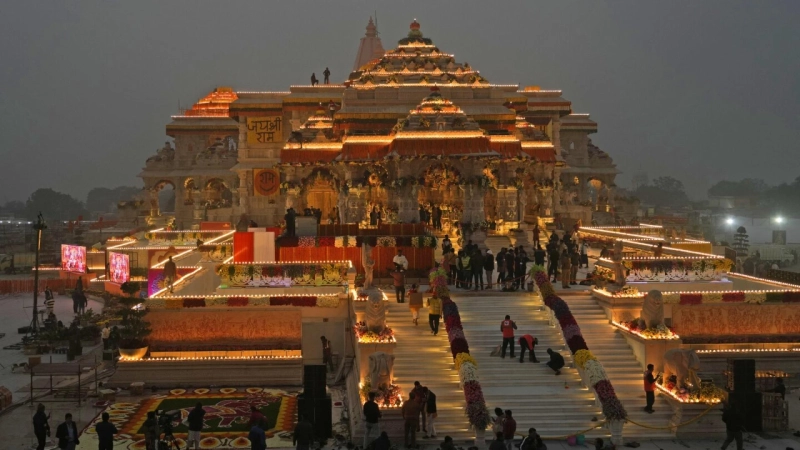
Ayodhya, the sacred city on the banks of the Sarayu River in Uttar Pradesh, is one of India’s most revered pilgrimage destinations. If you are planning a trip, understanding the Best Time to Visit Ayodhya is essential to make the most of your journey. Weather, festivals, and cultural events all play a role in shaping your experience. This guide explores Ayodhya’s seasons, highlights, and travel tips to help you plan a memorable visit. Known as the birthplace of Lord Rama, Ayodhya attracts millions of devotees and tourists every year. With its temples, ghats, historical monuments, and vibrant festivals, the city offers a unique blend of spirituality, culture, and heritage.
🌄 Why Timing Matters in Ayodhya
Ayodhya is a year-round destination, but the experience varies depending on when you visit.
- Climate: Summers can be hot, monsoons bring heavy rains, and winters are pleasant.
- Festivals: Major events like Ram Navami, Diwali (Deepotsav), and Kartik Purnima attract huge crowds.
- Spiritual Significance: Certain months are considered auspicious for pilgrimages.
- Comfort: Pleasant weather ensures comfortable sightseeing and temple visits.
🏞️ Seasonal Breakdown – Best Time to Visit Ayodhya
1. Winter (October to March) – The Ideal Season
- Weather: Pleasant, with temperatures ranging from 8°C to 25°C.
- Highlights:
- Comfortable for sightseeing and temple visits.
- Major festivals like Diwali (Deepotsav) and Ram Vivah Utsav.
- Evening aarti at Ram Ki Paidi is magical during winter.
- Experience: This is widely considered the Best Time to Visit Ayodhya for both pilgrims and tourists.
2. Summer (April to June) – Spiritual but Hot
- Weather: Hot and dry, with temperatures rising up to 40°C.
- Highlights:
- Ram Navami, celebrating Lord Rama’s birth, falls in March–April.
- Despite the heat, devotees flock to Ram Janmabhoomi Temple.
- Experience: Suitable for those visiting specifically for Ram Navami, but sightseeing can be tiring.
3. Monsoon (July to September) – Lush but Rainy
- Weather: Heavy rainfall, humidity, and occasional flooding.
- Highlights:
- The city looks lush and green.
- Shravan month is considered auspicious for temple visits.
- Experience: Good for spiritual seekers, but outdoor sightseeing may be limited due to rains.
📅 Month-by-Month Guide – Best Time to Visit Ayodhya
January–February
- Cool weather, ideal for sightseeing.
- Festivals: Makar Sankranti, Basant Panchami.
- Activities: Temple visits, ghats exploration, cultural programs.
March–April
- Pleasant weather transitioning to summer.
- Festivals: Ram Navami (grand celebrations at Ram Janmabhoomi).
- Activities: Participate in processions, visit Dashrath Mahal.
May–June
- Hot temperatures, fewer tourists.
- Activities: Early morning temple visits, evening aarti.
- Best for: Devotees seeking less crowded experiences.
July–August
- Monsoon rains, lush surroundings.
- Festivals: Shravan month rituals.
- Activities: Spiritual retreats, meditation at ghats.
September–October
- Post-monsoon, pleasant weather.
- Festivals: Dussehra, Ram Vivah Utsav.
- Activities: Cultural performances, temple rituals.
November–December
- Cool, festive atmosphere.
- Festivals: Diwali (Deepotsav), Kartik Purnima.
- Activities: Witness millions of diyas lit along Sarayu River.
🕉️ Festivals and Events – Best Time to Visit Ayodhya
Ayodhya’s festivals are deeply tied to its identity. Planning your trip around them enhances the experience.
- Ram Navami (March–April): Celebrates Lord Rama’s birth. Huge processions, temple rituals, and cultural programs.
- Diwali (October–November): Known as Deepotsav, Ayodhya lights millions of diyas along the Sarayu River. A breathtaking spectacle.
- Kartik Purnima (November): Devotees take holy dips in the Sarayu River.
- Dussehra (September–October): Ram Leela performances and burning of Ravana effigies.
- Ram Vivah Utsav (October–November): Celebrates the marriage of Lord Rama and Goddess Sita.
🏛️ Tourist Attractions to Explore
When you plan your trip during the Best Time to Visit Ayodhya, here are must-see places:
- Ram Janmabhoomi Temple: The grand temple dedicated to Lord Rama.
- Hanuman Garhi: Fortress-like temple dedicated to Lord Hanuman.
- Kanak Bhawan: Temple gifted to Sita by Kaikeyi.
- Dashrath Mahal: Believed to be King Dashrath’s residence.
- Ram Ki Paidi: Ghats along the Sarayu River, famous for evening aarti.
- Guptar Ghat: Believed to be the site of Lord Rama’s Jal Samadhi.
- Tulsi Smarak Bhawan: Dedicated to Goswami Tulsidas, author of Ramcharitmanas.
🌟 Travel Tips for Ayodhya
- Clothing: Light cottons in summer, woolens in winter.
- Footwear: Comfortable shoes for walking around temples and ghats.
- Accommodation: Book hotels in advance during festivals.
- Transport: Ayodhya is connected by rail, road, and the newly inaugurated airport.
- Food: Try local vegetarian delicacies like kachori, jalebi, and thali meals.
- Respect Traditions: Dress modestly and follow temple etiquette.
🧳 Sample 5-Day Itinerary
Day 1: Arrival, visit Ram Janmabhoomi Temple and Hanuman Garhi.
Day 2: Explore Kanak Bhawan, Dashrath Mahal, and Ram Ki Paidi.
Day 3: Visit Tulsi Smarak Bhawan, Guptar Ghat, and Nageshwarnath Temple.
Day 4: Attend cultural programs or festivals (depending on season).
Day 5: Shopping for souvenirs, departure.
🌍 Why Winter is the Best Time to Visit Ayodhya
While Ayodhya is accessible year-round, winter (October–March) stands out:
- Comfortable weather for sightseeing.
- Major festivals like Diwali and Ram Vivah Utsav.
- Evening aarti and ghats are more enjoyable.
- Ideal for both pilgrims and tourists.
✨ Conclusion
The Best Time to Visit Ayodhya depends on your purpose. If you want to enjoy pleasant weather and vibrant festivals, winter is ideal. For spiritual seekers, Ram Navami in summer or Shravan rituals in monsoon are equally rewarding.
From the grandeur of Ram Janmabhoomi Temple to the serenity of Guptar Ghat, Ayodhya offers a journey of devotion, culture, and heritage. Plan your trip wisely, align it with festivals, and immerse yourself in the timeless charm of this sacred city.