



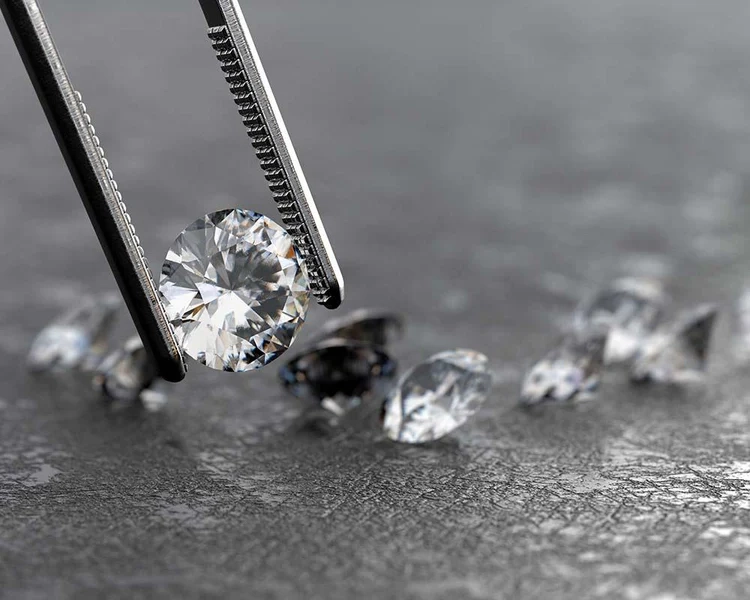
The demand for the best lab grown diamonds is rising rapidly as buyers in the United States look for transparency, quality, and long-term value. Lab-grown diamonds are no longer seen as alternatives but as informed choices backed by science and certification. Understanding how to evaluate quality helps buyers make confident decisions.
For buyers researching lab grown diamond jewelry in USA, knowing what defines the best lab grown diamonds is essential. Quality assessment goes beyond appearance and requires understanding grading standards, origin, and craftsmanship.
What Are Lab Grown Diamonds and Why Quality Matters
The best lab grown diamonds are created using advanced technology that replicates natural diamond formation. These diamonds share the same chemical, physical, and optical properties as mined diamonds.
Quality matters because lab-grown diamonds vary based on growth method, cut precision, and grading accuracy. Buyers who understand these factors can identify real value rather than relying on marketing claims.
How Lab Grown Diamonds Are Created
Two primary methods are used to create the best lab grown diamonds. These methods are High Pressure High Temperature and Chemical Vapor Deposition.
Both processes produce real diamonds, but growth conditions impact clarity and structure. Knowing the creation method helps buyers evaluate consistency and long-term durability.
Understanding Diamond Cut in Lab Grown Diamonds
Cut is one of the most important factors in identifying the best lab grown diamonds. A well-cut diamond reflects light efficiently, enhancing brilliance and sparkle.
Even a high-clarity diamond can appear dull if poorly cut. Buyers should prioritize cut quality when comparing lab-grown diamonds for value.
Evaluating Color in Lab Grown Diamonds
Color grading plays a key role in determining the best lab grown diamonds. Lab-grown diamonds are graded using the same color scale as mined diamonds.
Diamonds in the near-colorless to colorless range are most popular. Consistent color grading helps buyers understand visual appearance without surprises.
Clarity Standards for Lab Grown Diamonds
Clarity measures internal inclusions and surface blemishes. The best lab grown diamonds often have fewer inclusions due to controlled growth environments.
Higher clarity grades improve transparency and brilliance. Buyers should review clarity reports carefully to ensure value alignment.
Carat Weight and Perceived Size
Carat weight impacts both price and presence. The best lab grown diamonds offer flexibility, allowing buyers to choose larger stones within budget.
Perceived size also depends on cut and shape. Understanding this balance helps buyers maximize visual impact and value.
Importance of Diamond Shape Selection
Shape influences both style and brilliance in the best lab grown diamonds. Round, oval, cushion, emerald, and pear shapes remain popular.
Different shapes highlight different diamond qualities. Buyers should choose shapes that align with lifestyle and design preferences.
Certification and Grading Reports
Certification is essential when identifying the best lab grown diamonds. Reputable grading labs provide detailed reports covering cut, color, clarity, and carat.
These reports ensure transparency and protect buyers from misrepresentation. Certified diamonds hold greater long-term credibility and trust.
Understanding Growth Method Disclosure
Disclosure of growth method is an important quality indicator for the best lab grown diamonds. Buyers should always confirm whether a diamond was created using HPHT or CVD.
Clear disclosure supports informed decision-making. Transparency is a core factor in evaluating diamond value.
Light Performance and Brilliance Testing
Light performance defines how a diamond interacts with light. The best lab grown diamonds exhibit balanced brightness, fire, and scintillation.
Advanced imaging and grading tools help assess light performance. Buyers benefit from diamonds that sparkle consistently across lighting conditions.
Comparing Lab Grown and Natural Diamonds
When comparing options, many buyers find the best lab grown diamonds match or exceed expectations set by natural diamonds. Visual differences are negligible when quality is high.
The main distinction lies in origin and sourcing. Understanding this comparison helps buyers focus on value rather than perception.
Ethical and Environmental Considerations
Ethical sourcing is a major reason buyers choose the best lab grown diamonds. Lab-grown diamonds reduce environmental disruption and offer traceable origins.
This ethical advantage adds emotional value to the purchase. Buyers increasingly prioritize responsibility alongside beauty.
Pricing Transparency and Value Assessment
Pricing clarity helps buyers identify the best lab grown diamonds. Lab diamonds generally offer better price-to-quality ratios than mined diamonds.
Buyers should compare diamonds based on grading rather than price alone. True value comes from quality consistency and certification.
Researching Trusted Buying Sources
Buyers often consult educational resources before purchasing. Guides such as top 10 places to buy lab-grown diamond jewelry online help compare quality standards and seller transparency.
This research supports better identification of the best lab grown diamonds. Knowledge reduces risk and improves confidence.
Design Compatibility With Lab Grown Diamonds
The best lab grown diamonds work well across various jewelry designs. Engagement rings, earrings, and pendants all benefit from consistent diamond quality.
Design compatibility ensures diamonds maintain brilliance in different settings. Buyers should consider how diamonds perform within their chosen designs.
Long-Term Durability and Wearability
Durability is identical between lab-grown and natural diamonds. The best lab grown diamonds rank the same on the Mohs hardness scale.
This makes them suitable for daily wear and long-term use. Buyers can expect lasting beauty and strength.
Insurance and Documentation Benefits
Clear documentation supports insurance and ownership protection. The best lab grown diamonds come with complete grading reports.
These reports simplify valuation and coverage. Proper documentation adds practical value to the purchase.
Misconceptions About Lab Grown Diamond Quality
Some buyers still question the quality of lab-grown diamonds. The best lab grown diamonds meet the same standards used for mined diamonds.
Education helps dispel outdated myths. Modern lab diamonds are widely accepted in fine jewelry markets.
Resale and Market Acceptance
Market acceptance of the best lab grown diamonds continues to grow. While resale dynamics differ from mined diamonds, quality remains the primary factor.
Clear certification supports resale and trade-in options. Market confidence improves with transparency.
Role of Educational Jewelry Brands
Educational brands help buyers understand diamond grading and value. Brands like D218 Jewels focus on clarity, certification, and informed decision-making.
This educational approach aligns with identifying the best lab grown diamonds. Knowledge-driven buying improves satisfaction.
Business Buyers and Professional Use
Businesses sourcing diamonds value consistency and reliability. The best lab grown diamonds provide predictable quality for professional applications.
This consistency supports their growing use in the jewelry industry. Professional trust strengthens market demand.
Technology Advancements in Lab Diamond Production
Advancements in technology continue to improve the best lab grown diamonds. Improved growth control results in better clarity and color outcomes.
Technology supports innovation while maintaining quality standards. Buyers benefit from continuous improvement.
Future Outlook for Lab Grown Diamond Quality
The future of the best lab grown diamonds looks strong as technology and education expand. Buyers increasingly prioritize verified quality over tradition.
As standards evolve, lab-grown diamonds will continue to gain trust. Quality-focused buyers drive this shift.
Conclusion: How to Identify the Best Lab Grown Diamonds
Identifying the best lab grown diamonds requires understanding cut, color, clarity, certification, and transparency. Buyers who focus on these factors can confidently assess quality and value.
With ethical sourcing, consistent grading, and modern appeal, lab-grown diamonds meet the expectations of today’s buyers. Informed choices ensure long-term satisfaction and lasting beauty.