



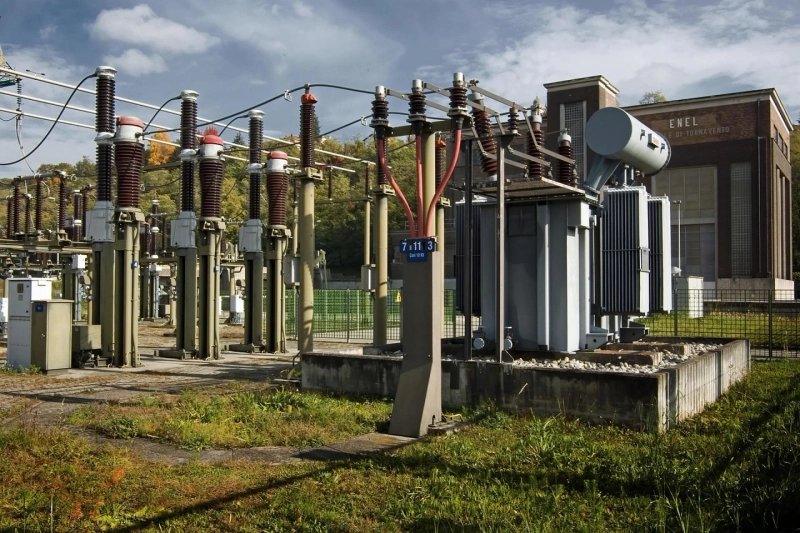
Onboarding new employees in the energy and power sector presents unique challenges. These facilities are complex, high-risk environments that require a deep understanding of safety protocols, equipment operations, and regulatory compliance. Traditional onboarding methods, such as classroom lectures and shadowing, can be time-consuming, inconsistent, and sometimes insufficient for preparing employees to work effectively on the floor. VR Training for energy & power has emerged as a game-changing solution, offering immersive, hands-on learning experiences that accelerate skill development, enhance safety, and improve overall onboarding efficiency.
Challenges in Onboarding Energy & Power Employees
The energy and power sector presents several onboarding challenges:
- Complex Equipment: Employees must understand operations across turbines, boilers, generators, and control systems.
- High-Risk Environment: Working with electricity, pressurized systems, and heavy machinery requires strict safety awareness.
- Inconsistent Training: Traditional onboarding varies based on instructors, locations, and timing.
- Regulatory Compliance: Employees must quickly learn protocols that meet safety and operational standards.
- Limited Access: Some areas or equipment cannot safely accommodate trainees during live operations.
These challenges necessitate innovative training solutions that provide consistency, hands-on experience, and risk-free practice—needs effectively addressed by VR training.
How VR Training Enhances Onboarding
VR Training for energy & power provides a virtual, interactive environment where new employees can learn essential skills safely and efficiently.
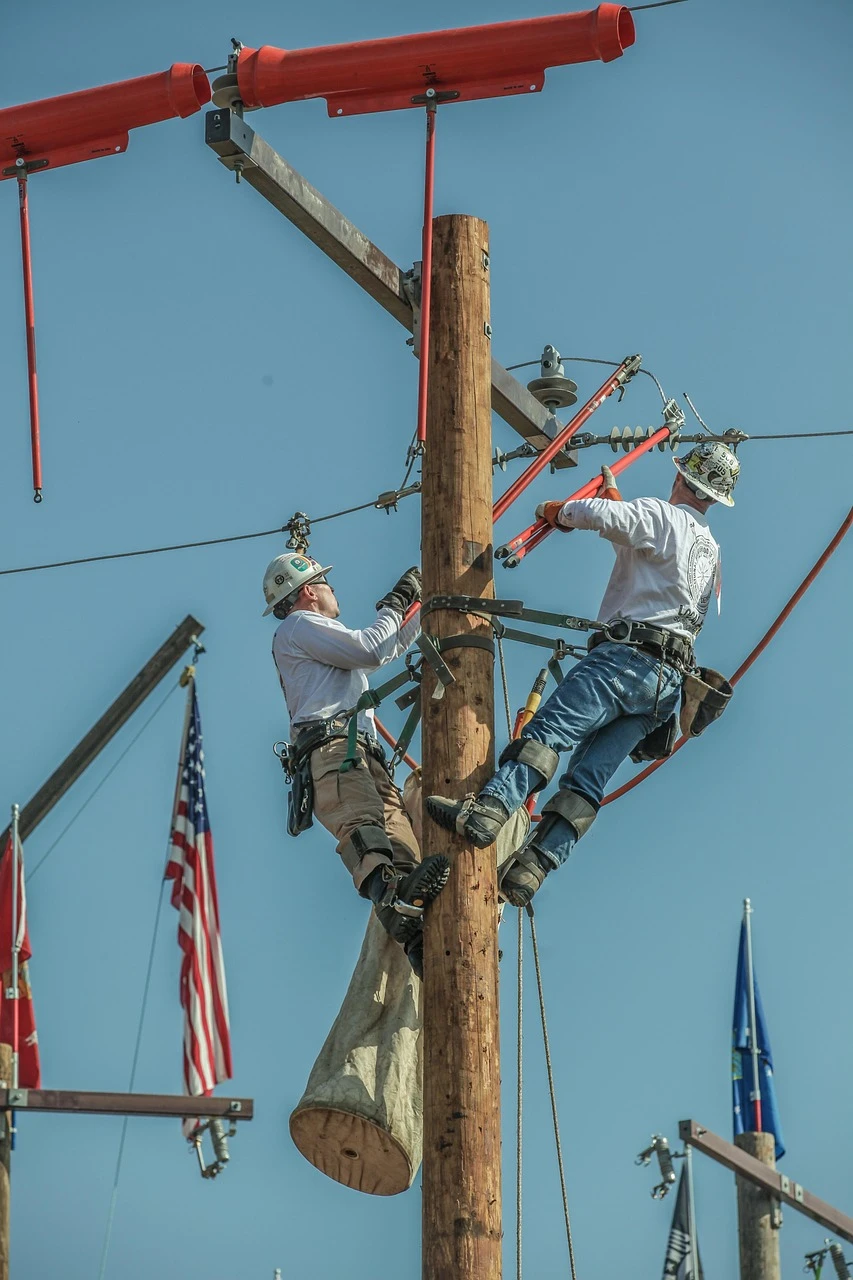
1. Immersive and Interactive Learning
VR allows employees to navigate plant layouts, operate equipment, and engage in realistic scenarios. This immersive experience fosters deeper understanding and accelerates the learning process.
2. Risk-Free Environment
Trainees can make mistakes and learn from them without jeopardizing their safety or the facility’s operations. This is particularly important for high-risk equipment and procedures.
3. Standardized Training
Virtual modules ensure that every employee receives the same onboarding experience, regardless of location, supervisor, or plant. This standardization ensures consistent knowledge transfer and skill development.
4. Scenario-Based Practice
VR can simulate emergencies, equipment malfunctions, and routine maintenance tasks, allowing employees to practice critical problem-solving skills before encountering them in the real world.
5. Performance Tracking and Feedback
VR platforms provide analytics on trainee performance, highlighting areas of strength and those requiring improvement. Supervisors can use this data to tailor follow-up training effectively.
Key Benefits of VR Onboarding
Adopting VR training for onboarding offers multiple advantages for both new employees and organizations:
- Faster Skill Acquisition: Immersive practice enables employees to gain operational competence more quickly than traditional methods.
- Enhanced Safety Awareness: Risk-free simulations reinforce safety protocols and reduce the likelihood of accidents on the job.
- Improved Retention: Interactive VR experiences improve knowledge retention compared to lectures or manuals alone.
- Operational Efficiency: Well-prepared employees can contribute more effectively from day one, minimizing downtime and supervision needs.
- Cost Savings: Reduces the need for extensive instructor-led training, equipment downtime, and travel for on-site training.
- Compliance Assurance: VR modules can be designed to align with regulatory standards, ensuring employees meet all necessary requirements.
Applications of VR Onboarding in Energy & Power
VR training can be applied to a wide range of onboarding tasks for new employees:
- Equipment Familiarization: Employees can interact with turbines, generators, boilers, and electrical panels in a safe virtual setting.
- Safety Protocols: Reinforce lockout/tagout procedures, high-voltage safety measures, and emergency response drills.
- Operational Workflows: Simulate daily tasks, including monitoring, troubleshooting, and maintenance routines.
- Emergency Preparedness: Train employees to respond to fires, chemical spills, equipment failures, and other high-risk scenarios.
- Team Coordination: Multi-user VR modules allow new hires to practice collaboration and communication in realistic situations.
Best Practices for Implementing VR Onboarding
To maximize the benefits of VR training for new employees, organizations should consider the following strategies:
- Focus on High-Risk and Critical Tasks: Prioritize VR modules for equipment and procedures that pose the greatest risk.
- Integrate with Blended Learning: Combine VR sessions with classroom instruction, eLearning modules, and supervised hands-on practice.
- Encourage Repetition: Allow employees to repeat scenarios multiple times to build confidence and reinforce learning.
- Leverage Analytics: Track performance and progress to identify gaps and tailor additional training as needed.
- Align Content with Standards: Ensure VR modules reflect both internal protocols and regulatory compliance requirements.
Conclusion
VR Training for energy & power is transforming the onboarding process for new employees, offering immersive, risk-free, and standardized learning experiences. By allowing employees to practice equipment operation, safety protocols, and emergency response in a virtual environment, VR accelerates skill acquisition, enhances safety, and improves retention. For organizations in the energy and power sector, VR onboarding ensures that new hires are prepared, confident, and ready to contribute effectively from their first day on the job.
To explore more about our work and real-time updates, check out AutoVRse on Twitter, Instagram, and LinkedIn.