



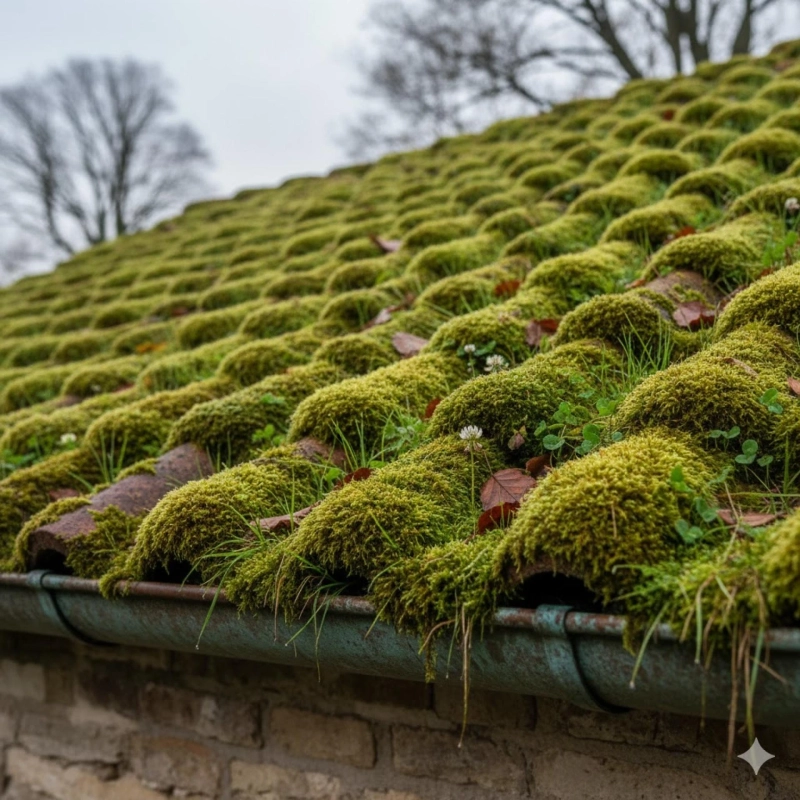
When it comes to protecting your home, your roof is your first line of defense. Yet one of the biggest threats to its longevity doesn’t come from storms or falling branches — it comes from roof moss. That fuzzy green growth may look harmless, but it’s quietly destroying your shingles, retaining moisture, and setting the stage for expensive repairs.
If you’ve noticed moss on your roof, now is the time to act. In this guide, you’ll learn why roof moss treatment is essential, how moss causes hidden damage, and the best ways to stop it before it’s too late.
1. What Is Roof Moss and Why Does It Grow?
Roof moss is a type of plant that thrives in damp, shaded, and cool environments. It often appears on the north-facing side of roofs or under overhanging trees where sunlight is limited.
Here’s why moss loves your roof:
- Constant moisture from rain and dew
- Poor drainage or clogged gutters
- Tree cover that blocks sunlight
- Rough, porous shingles that trap water
Once moss spores land on your roof, they multiply quickly — and what starts as a small patch can soon spread across your entire roof surface.
2. The Hidden Dangers of Roof Moss
At first glance, moss seems like nothing more than a cosmetic issue. But beneath that green carpet, serious damage is taking place:
- Moisture Retention: Moss acts like a sponge, holding water against your shingles. This trapped moisture accelerates rot and decay.
- Lifted Shingles: As moss grows, it lifts shingles, creating gaps where water can seep in.
- Roof Deck Damage: Over time, the constant dampness can cause the wood underneath to rot.
- Reduced Roof Lifespan: Uncontrolled moss growth can cut years off your roof’s life expectancy.
In short, ignoring moss now can lead to leaks, structural damage, and even full roof replacement later.
3. Warning Signs You Need Roof Moss Treatment
Not sure if your roof needs attention? Watch for these red flags:
- Patches of green or black growth on shingles
- Dark streaks or stains near moss clusters
- Shingles that look curled or raised
- Water spots or leaks inside your attic
If you see any of these signs, it’s time to act before moss spreads deeper into your roof system.
4. Why Timing Matters: Treat Moss Before It’s Too Late
Roof moss doesn’t just sit still — it spreads quickly. The longer it’s left untreated, the harder (and more expensive) it becomes to remove.
The best time for treatment is during spring or early fall, when moss is actively growing but weather conditions are mild. Waiting too long can mean:
- Heavier buildup that requires professional removal
- Shingle damage that demands repairs
- Hidden leaks that go unnoticed until major water damage occurs
A timely roof moss treatment today can save you from thousands of dollars in future repairs.
5. DIY Roof Moss Treatment vs. Professional Help
You can take the DIY route, but it’s not without risks. Here’s a breakdown:
DIY Treatment
- Pros: Low cost, convenient, effective for small areas
- Cons: Risk of slips and falls, potential shingle damage, limited reach
Professional Treatment
- Pros: Safe, thorough, and long-lasting results
- Cons: Higher upfront cost
If your roof is steep, large, or covered in heavy moss, professional roof cleaning services are well worth the investment. They use specialized solutions and equipment to remove moss safely without damaging your shingles.
6. Effective Roof Moss Removal Methods
When treating roof moss, gentle methods are key. Here are the most effective approaches:
- Soft Brushing: Lightly scrub moss using a soft-bristle brush to avoid shingle damage.
- Chemical Treatments: Apply a commercial moss killer or a homemade mixture (like water and bleach or vinegar).
- Rinse and Clean: Use a low-pressure hose to rinse away loosened moss and residue.
Avoid using pressure washers — they can strip away the protective granules from asphalt shingles.
7. Eco-Friendly Moss Treatment Alternatives
If you prefer natural methods, there are several eco-safe options to consider:
- White Vinegar Solution: Equal parts water and vinegar can kill moss without harsh chemicals.
- Baking Soda: Sprinkle it over mossy areas to raise the pH and prevent regrowth.
- Lemon Juice or Hydrogen Peroxide: These natural cleaners are gentle on shingles and effective against moss.
These treatments may take longer but are ideal for homeowners who want a green cleaning solution.
8. How to Prevent Moss from Returning
Prevention is the real key to long-term roof health. Once your roof is clean, follow these steps to keep it moss-free:
- Trim Trees: Allow more sunlight to reach the roof.
- Install Zinc or Copper Strips: When it rains, trace metals from these strips wash down and inhibit moss growth.
- Clean Gutters Regularly: Prevent water buildup and standing moisture.
- Improve Roof Ventilation: A well-ventilated attic helps reduce humidity and moisture.
Consistent maintenance is far easier — and cheaper — than repeat moss removal.
9. Common Mistakes to Avoid During Roof Moss Treatment
Even small mistakes can lead to roof damage. Avoid these pitfalls:
- Using a pressure washer (it erodes shingles)
- Leaving chemical residue behind
- Scrubbing too aggressively
- Ignoring safety gear while climbing
If in doubt, call a professional instead of risking your safety or your roof’s condition.
10. The Cost of Waiting Too Long
Many homeowners put off roof moss treatment, thinking it’s just a minor issue. Unfortunately, waiting often results in:
- Water damage inside your attic and walls
- Structural rot in the roof deck
- Higher energy bills due to poor insulation
- Premature roof replacement
Treating moss early is far more affordable than fixing the damage it leaves behind.
11. Long-Term Benefits of Roof Moss Treatment
Getting rid of moss doesn’t just make your roof look better — it provides lasting value:
- Extends Roof Lifespan: Protects shingles and underlayment.
- Prevents Leaks: Keeps moisture out of your home.
- Improves Curb Appeal: A clean roof boosts property value.
- Saves Money: Prevents costly roof repairs down the line.
Think of moss treatment as a small investment in your home’s overall health.
12. When to Schedule Regular Roof Maintenance
Experts recommend inspecting your roof at least once a year — or more often if you live in a damp or wooded area. Pairing regular inspections with preventive moss treatments ensures that small problems never turn into major ones.
Conclusion: Protect Your Roof — Act Now
Roof moss might seem like a small issue, but its impact can be massive if ignored. By investing in roof moss treatment now, you can prevent water damage, save thousands in repair costs, and extend the life of your roof for years to come. For professional help, visit Rip City Roof Cleaning — trusted experts in roof moss removal and prevention.
Don’t wait until it’s too late — take action today. A clean, moss-free roof isn’t just about appearance; it’s about protecting your home, your safety, and your peace of mind.