



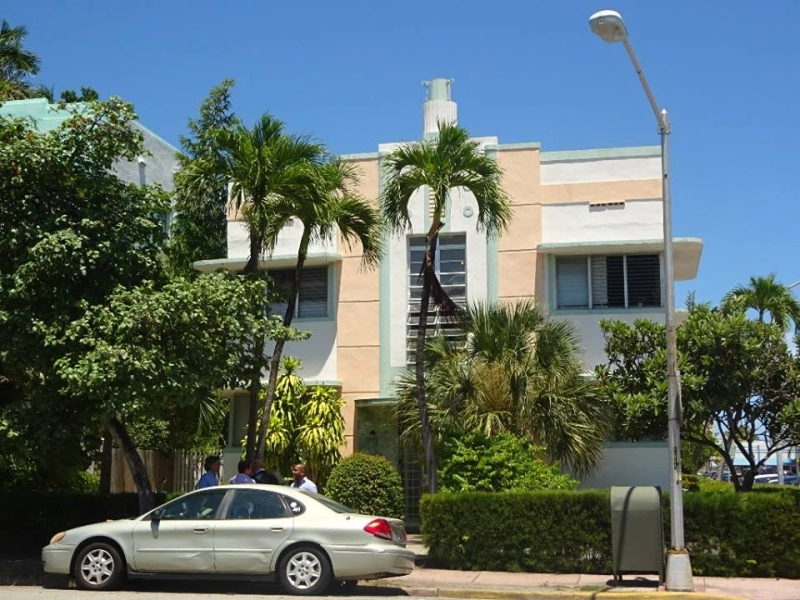
Buying a home in Fort Lauderdale can feel exciting and overwhelming at the same time. The city offers beaches, warm weather, and strong property demand, but it also comes with risks many buyers don’t see at first glance. A house can look perfect during a showing and still hide serious issues behind the walls, under the roof, or below the foundation.
Smart buyers slow down before signing anything. They learn how local conditions affect homes, what problems show up most often, and how to protect their investment. Skipping this step can turn a dream home into a money pit faster than most people expect.
That’s why many buyers rely on Home Inspections Fort Lauderdale professionals early in the process. A proper inspection helps uncover problems before they become your responsibility, not after the keys are in your hand.
Why Fort Lauderdale Homes Need Extra Attention
Coastal Climate and Property Wear
Fort Lauderdale’s coastal location is great for lifestyle, but tough on buildings. Heat, humidity, salt air, and heavy rain all speed up wear and tear. Materials break down faster here than in many inland areas.
Common climate-related issues include:
- Roof damage from sun exposure and storms
- Corrosion on metal components
- Moisture intrusion in walls and ceilings
- Mold growth in poorly ventilated areas
Even newer homes can show early signs of these problems if construction shortcuts were taken.
Storm History and Wind Risk
South Florida homes face hurricane and tropical storm threats. Even if a house looks fine now, past storms may have caused damage that was patched instead of properly repaired.
Inspectors often look closely at:
- Roof coverings and fasteners
- Impact windows and shutters
- Garage doors rated for wind pressure
- Signs of previous water intrusion
Understanding how a home held up in past storms helps predict how it may perform in the next one.
What a Buyer Should Check Before Making an Offer
Structural and Foundation Concerns
A solid structure is non-negotiable. Cracks, uneven floors, or doors that don’t close properly can point to deeper foundation or framing problems.
During a professional inspection, attention is paid to:
- Visible foundation cracks or movement
- Sloping or sagging floors
- Wall separations and ceiling cracks
- Signs of poor drainage around the home
Catching these issues early can save tens of thousands of dollars later.
Roofing and Exterior Systems
The roof is one of the most expensive parts of a home to replace. In Fort Lauderdale, roofs also face strict insurance and code requirements.
An inspection typically reviews:
- Roof age and material condition
- Missing or damaged shingles or tiles
- Flashing and seal integrity
- Gutters and drainage flow
Exterior walls, windows, and doors are also checked for water entry points and deterioration.
Interior Systems That Deserve Close Review
Electrical and Plumbing Safety
Electrical and plumbing systems affect daily comfort and safety. Older homes in Fort Lauderdale may still have outdated wiring or plumbing materials.
Inspectors commonly evaluate:
- Electrical panel condition and capacity
- Proper grounding and GFCI protection
- Pipe materials and signs of corrosion
- Water pressure and drainage performance
Small electrical or plumbing issues can signal larger system failures waiting to happen.
HVAC and Ventilation Issues
Air conditioning is not optional in South Florida. A failing HVAC system can make a home uncomfortable and expensive to maintain.
Inspection checks usually include:
- System age and maintenance condition
- Airflow and temperature balance
- Signs of leaks or improper installation
- Adequate ventilation in attics and bathrooms
Poor ventilation often leads to moisture problems, which can affect indoor air quality.
Hidden Problems Buyers Often Miss
Mold and Moisture Damage
Mold thrives in humid environments. It often grows behind walls, under flooring, or inside HVAC systems, where buyers can’t see it.
Warning signs include:
- Musty odors
- Stains on ceilings or walls
- Warped baseboards or flooring
- Past water damage repairs
An inspection can flag moisture conditions that support mold growth, even if mold isn’t visible yet.
Termites and Wood Damage
South Florida is termite territory. Wood-destroying organisms can cause serious structural damage if left untreated.
A thorough review looks for:
- Tunnels or damaged wood
- Previous treatment signs
- Areas where wood meets soil
- Attic and crawl space activity
Termite damage often progresses quietly, making early detection critical.
Insurance, Permits, and Local Compliance
Insurance Requirements in Fort Lauderdale
Insurance companies in Florida are strict, especially for older homes. Inspection results can directly affect coverage approval and premiums.
Key insurance-related concerns include:
- Roof condition and age
- Electrical system type
- Plumbing materials
- Storm protection features
Knowing these details before closing helps avoid last-minute insurance problems.
Permits and Past Renovations
Unpermitted work is a common issue in South Florida. Renovations done without permits may not meet code and can cause issues during resale.
Inspectors often note:
- Visible work that lacks permit records
- Additions or conversions
- Electrical or plumbing changes
- Structural modifications
Fixing unpermitted work can be costly and time-consuming.
How an Inspection Protects Your Investment
Negotiation Power for Buyers
Inspection reports give buyers leverage. When problems are documented, buyers can request repairs, credits, or price reductions.
Common negotiation outcomes include:
- Seller-paid repairs
- Closing cost credits
- Price adjustments
- Contract cancellations when issues are severe
Without an inspection, buyers lose this advantage.
Long-Term Planning and Budgeting
Even if a deal moves forward, inspection findings help buyers plan for future expenses. Knowing what needs attention now versus later supports smarter budgeting.
This allows buyers to:
- Prioritize repairs
- Plan maintenance schedules
- Avoid surprise breakdowns
- Protect resale value
Information is power, especially with real estate.
Choosing the Right Inspection Approach
Timing the Inspection Properly
Inspections should happen during the contract’s inspection period. Waiting too long can limit options if serious issues are found.
Early inspections allow:
- More time for negotiation
- Contractor estimates if needed
- Clear decision-making
- Reduced closing delays
Rushing this step increases risk.
Understanding the Inspection Report
A good report is detailed but easy to understand. It should clearly explain issues, their severity, and recommended next steps.
Buyers should focus on:
- Safety concerns
- Major system failures
- Water and structural issues
- Items affecting insurance eligibility
Not every defect is a deal-breaker, but knowing the difference matters.
Final Thoughts for Fort Lauderdale Buyers
Fort Lauderdale offers incredible living opportunities, but buying property here requires careful attention. Climate, storm exposure, and aging housing stock all create risks that aren’t obvious during a casual walkthrough.
A professional inspection helps buyers see the full picture. It answers critical questions about safety, durability, and long-term costs without guesswork or surprises. Buyers who skip this step often regret it after closing, when problems become their responsibility.
Taking the time to inspect before buying isn’t about fear. It’s about confidence. When buyers understand what they’re purchasing, they move forward knowing they made a smart, informed decision.