



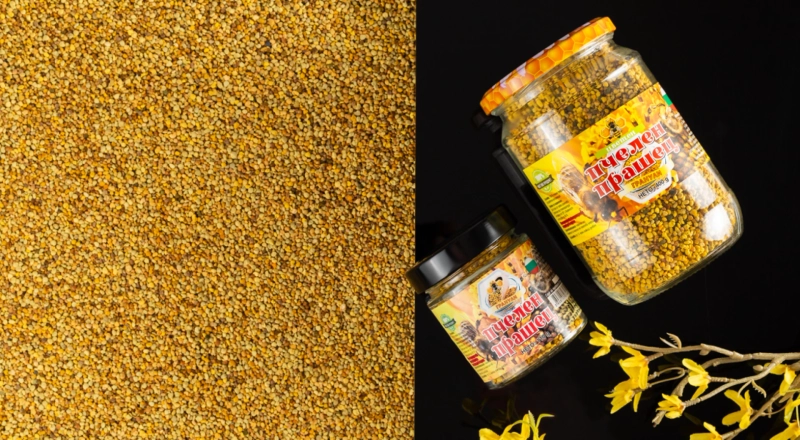
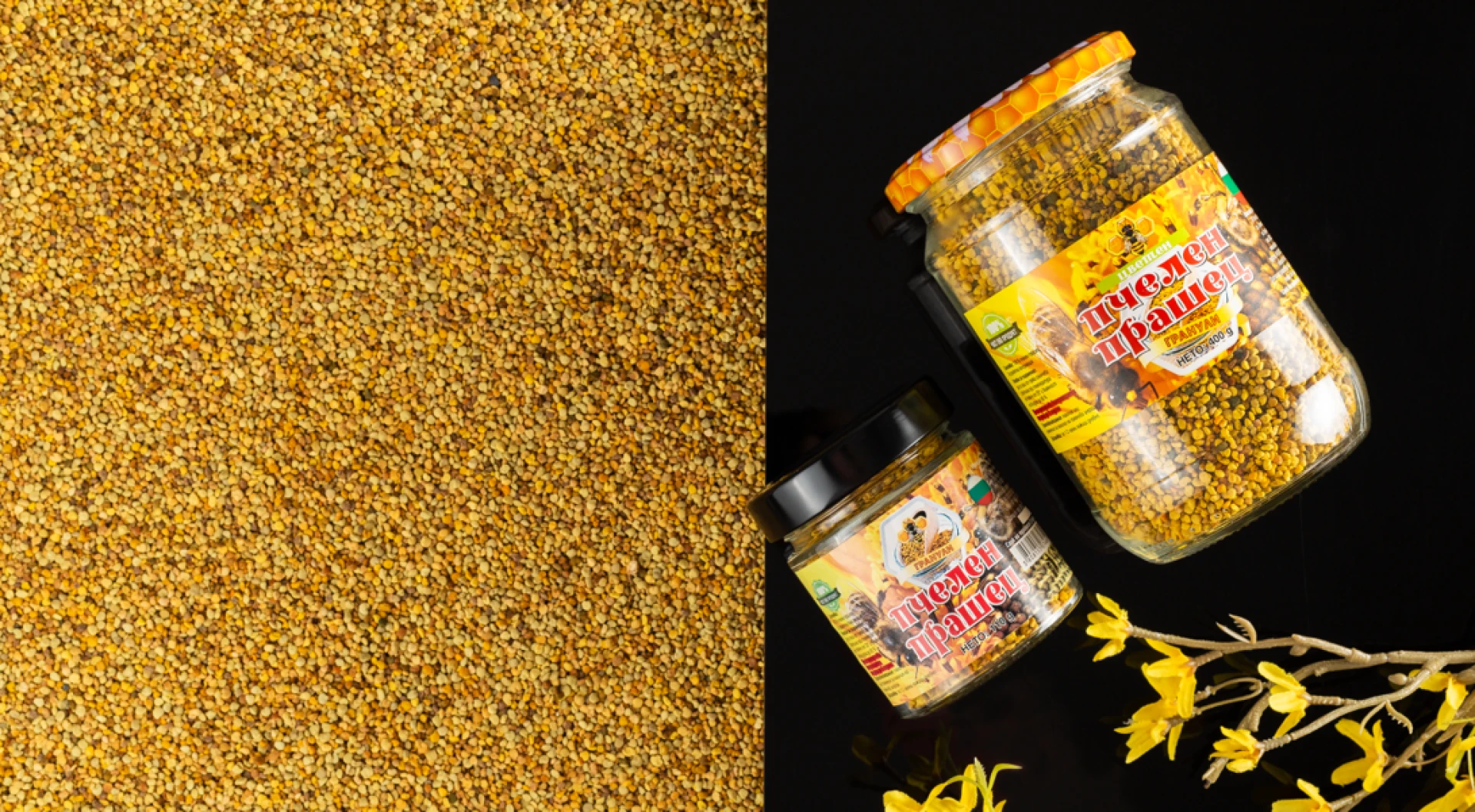
Bee pollen has been celebrated for centuries as one of nature’s most nutrient-dense gifts. It is not merely the pollen from flowers, but a remarkable blend of plant pollen, nectar, enzymes, honey, wax, and bee secretions. Bees collect pollen granules and pack them into small pellets, which are then used as food for the hive. For humans, bee pollen is considered a superfood due to its impressive concentration of proteins, vitamins, minerals, and bioactive compounds. This tiny granule is not only a nutritional powerhouse but also has powerful antimicrobial and immune-boosting properties, making it a natural antibiotic and an excellent ally for health-conscious individuals.
The Nutritional Composition of Bee Pollen
What makes bee pollen a superfood is its extraordinary nutritional profile. It contains more than 250 biologically active substances, making it one of the most complete foods found in nature. Around 25–30% of its content is protein, including all essential amino acids, making it a valuable plant-based protein source. It is also rich in carbohydrates, healthy fats, vitamins (especially B-complex vitamins, vitamin C, and vitamin E), and minerals such as calcium, magnesium, zinc, selenium, and iron. Bee pollen is abundant in flavonoids and phenolic compounds, which contribute to its strong antioxidant activity. These compounds neutralize free radicals, protect cells from damage, and reduce inflammation throughout the body.
Bee Pollen as a Natural Antibiotic
One of the most fascinating aspects of bee pollen is its natural antibiotic properties. Studies have shown that bee pollen extracts can inhibit the growth of harmful bacteria such as Staphylococcus aureus and Escherichia coli. This makes it a valuable ally for supporting the immune system and preventing infections. The antimicrobial activity is attributed to its rich content of flavonoids and phenolic acids, which act as natural antibacterial agents. Unlike synthetic antibiotics, bee pollen does not disrupt the gut microbiome but instead helps maintain a healthy balance of beneficial bacteria, supporting digestive health and overall immunity.
Immune System Support and Anti-Inflammatory Effects
Bee pollen is widely recognized for its ability to modulate the immune system. It stimulates the production of antibodies and enhances the activity of immune cells, helping the body fight off pathogens more effectively. This immune-boosting effect is complemented by its anti-inflammatory properties, which reduce swelling and support faster healing. For individuals suffering from seasonal allergies, bee pollen may even help desensitize the body to pollen exposure when consumed regularly in small amounts, potentially reducing symptoms like sneezing and congestion.
Energy and Vitality Booster
Thanks to its unique composition of carbohydrates, proteins, and B vitamins, bee pollen is a natural energizer. Athletes and physically active individuals often include bee pollen in their diet to improve endurance, stamina, and recovery after intense workouts. The easily absorbable nutrients provide a quick source of energy without causing blood sugar spikes, making bee pollen a great choice for those looking to maintain steady energy levels throughout the day. Its iron content also helps combat fatigue and supports oxygen transport in the blood.
Bee Pollen for Skin and Beauty
Bee pollen is not only beneficial when consumed internally but also for skin health. Its antioxidant content helps protect the skin from premature aging caused by free radical damage. It supports collagen production, which improves skin elasticity and smoothness. Some natural skincare products include bee pollen as an ingredient to help with acne, inflammation, and overall skin nourishment. Taking bee pollen as part of your diet can promote a radiant complexion and healthy hair growth thanks to its vitamins and minerals.
Digestive Health and Nutrient Absorption
Bee pollen contains natural enzymes that aid digestion and improve nutrient absorption from other foods. This makes it a valuable addition to meals, especially for individuals with digestive issues or poor nutrient absorption. By supporting the gut microbiome and enhancing enzyme activity, bee pollen contributes to better overall digestive health and nutrient bioavailability.
Bee Pollen and Heart Health
Research suggests that bee pollen may have cardioprotective effects due to its ability to lower cholesterol levels and reduce oxidative stress in blood vessels. The flavonoids present in bee pollen improve circulation and support healthy blood pressure levels. Its anti-inflammatory compounds also help reduce the risk of atherosclerosis, supporting long-term cardiovascular health.
How to Incorporate Bee Pollen into Your Diet
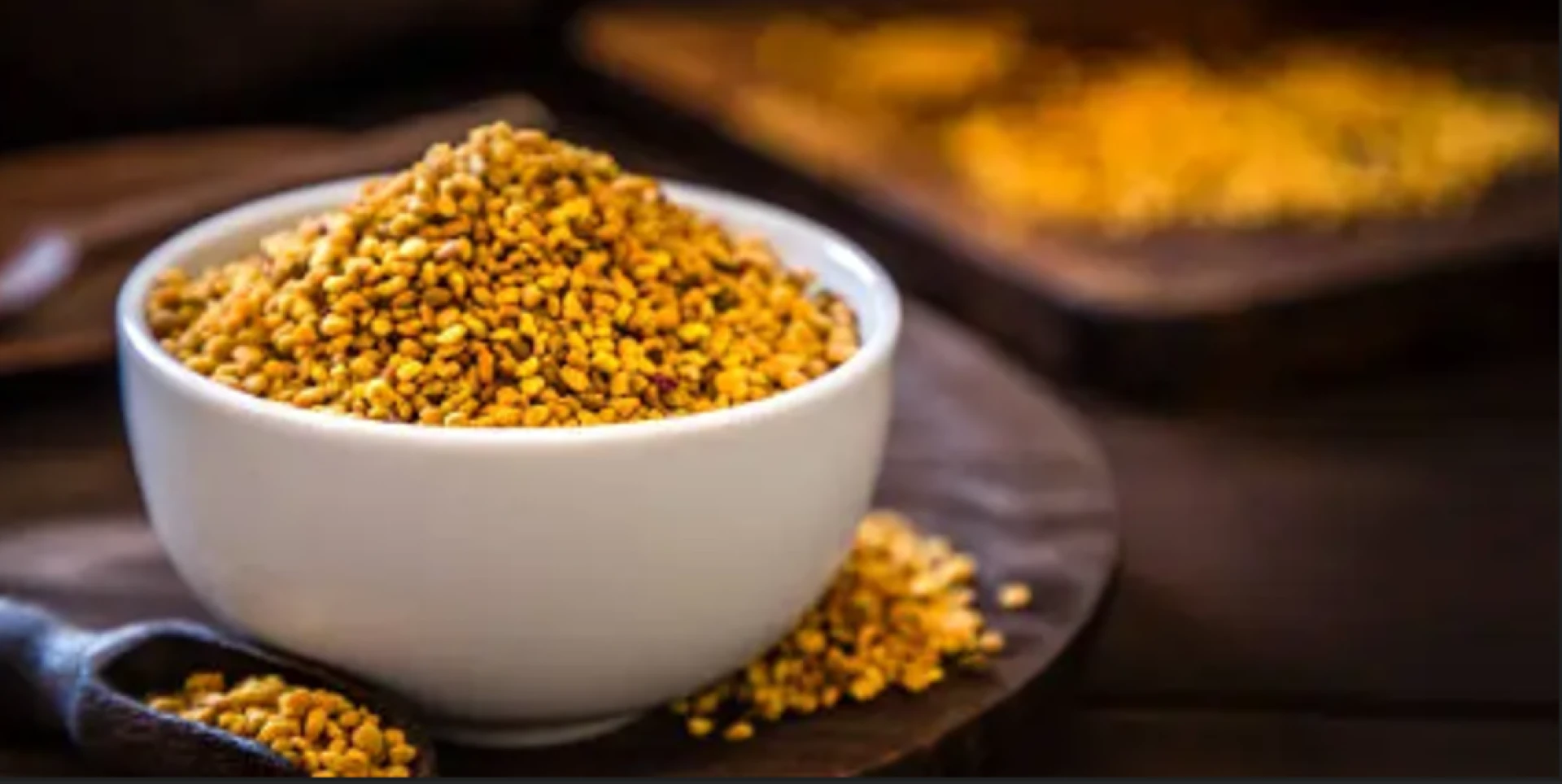
Bee pollen is available as granules, powder, or capsules. The most common way to consume it is by sprinkling the granules over yogurt, smoothie bowls, or salads. It can also be blended into smoothies, mixed with honey, or added to breakfast cereals. When starting with bee pollen, it is recommended to begin with a small amount (a few granules) and gradually increase the intake to avoid potential allergic reactions. Regular consumption can help you fully experience its health benefits.
Safety Considerations and Allergies
Although bee pollen is generally safe for most people, it can trigger allergic reactions in individuals sensitive to pollen or bee products. Symptoms may include itching, swelling, or difficulty breathing. Therefore, it is important to start with a very small amount and monitor the body’s response. Pregnant and breastfeeding women should consult their healthcare provider before adding bee pollen to their diet. People taking blood thinners or with known allergies to bee stings should also exercise caution.
Bee Pollen and Apitherapy
Apitherapy, the therapeutic use of bee products, has been practiced for centuries in many cultures. Bee pollen plays a central role in apitherapy due to its wide range of health-promoting effects. Traditional medicine systems have used bee pollen to support recovery from illness, improve fertility, and enhance overall vitality. Modern research continues to explore its potential in preventing chronic diseases, reducing inflammation, and even supporting cancer therapy as a complementary approach.
The Sustainable Side of Bee Pollen
Choosing raw, ethically harvested bee pollen not only supports your health but also promotes sustainable beekeeping practices. Responsible beekeepers collect only a portion of the pollen, leaving enough for the bees to sustain the hive. This ensures the wellbeing of the bee colony while providing humans with this valuable nutritional resource. Supporting local beekeepers contributes to biodiversity and the protection of pollinators, which are essential for global food production.
Conclusion
Bee pollen is much more than just a byproduct of the beehive – it is a superfood packed with essential nutrients, antioxidants, and natural antibacterial compounds. From boosting immunity and energy to supporting heart health and digestion, bee pollen has a place in every health-conscious person’s diet. As a natural antibiotic, it helps protect the body from harmful pathogens while maintaining a healthy gut microbiome. Whether you are looking for a natural energy boost, a way to strengthen your immune system, or an overall wellness enhancer, bee pollen is a golden treasure from nature worth exploring.