



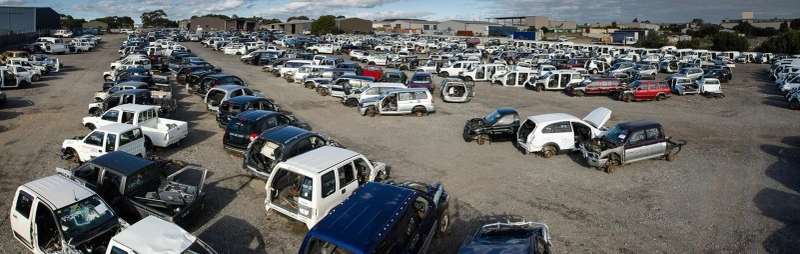
Electric vehicles are now a common sight across Australia. Their rise has shaped new habits in transport, and at the same time, it has changed what happens inside scrap yards. When an electric vehicle reaches the end of its road life, the battery pack becomes the centre of attention. These packs are large, heavy, and filled with materials that need careful handling. This situation has created a new pathway in the recycling chain, one that is still developing as more electric vehicles reach the scrap stage.
This blog explains the path an electric vehicle battery follows once the car is collected, processed, and dismantled. It also covers key facts about recycling methods, safety rules, and the long-term environmental effect of these systems. https://northbrisbanewreckers.com.au/
Why EV Battery Packs Need Special Attention
Electric vehicle battery packs store a large amount of energy. Even when a car no longer runs, the pack may still hold enough charge to create fire risk. The key reason these packs need controlled handling is the material inside. Modern packs often contain lithium, nickel, cobalt, copper, aluminium, and graphite. These materials do not behave like regular scrap metal, and some can cause reactions if exposed to heat or moisture.
Australian fire agencies have reported several incidents involving damaged electric vehicle packs, especially after collisions. This is one reason scrap yards must follow strict safety procedures before any dismantling takes place. Staff must isolate the battery, check for punctures, and make sure the pack has cooled. This process helps reduce the chance of a thermal event during removal.
How Scrap Yards Assess EV Packs
When an electric vehicle arrives at a scrap yard, the team conducts an assessment. This first step focuses on the condition of the pack. If the car was damaged in a collision, the risk level can rise. Packs that appear swollen, cracked, or leaking need urgent containment. These packs are often placed in metal enclosures or sand-filled bins to prevent fire spread.
Scrap yards also record the battery type, weight, and layout. This helps them send the pack to the correct recycling facility later. Some packs are easier to remove due to modular design, while older models often require more work.
Across Australia, more scrap yards now receive training on battery removal. Reports from industry groups show that training enrolments grew sharply from 2021 to 2024 due to the rising number of electric vehicles on local roads.
Transporting Battery Packs Safely
Moving an electric vehicle pack from the scrap yard to a recycling plant is a high-risk stage. Australian transport rules classify these packs under dangerous goods categories. This means the pack must be placed in protected containers and fastened securely. Drivers must hold the correct licence for moving such materials.
Research shows that improper transport can trigger fires if a pack is damaged or overheats. For this reason, temperature checks are often done before the trip. Some yards also limit travel to cooler times of the day. These steps help prevent pressure build-up inside the pack.
What Happens Inside Battery Recycling Plants
Once a battery pack reaches a recycling plant, the real breakdown process begins. The pack is opened, and the cells are removed. This is done in controlled rooms to prevent sparks or dust exposure. The cells pass through a shredding system, where the materials are separated into metal, plastic, and a dark powder often called black mass.
Black mass contains valuable minerals such as lithium, nickel, cobalt, and graphite. These minerals are extracted through chemical or thermal processes and then sent to manufacturers who use them for new battery cells. Australia is now growing its local processing capacity. Reports from 2023 and 2024 show new plants being built to handle rising volumes, which helps reduce reliance on imported processed materials.
Environmental Impact of Recycling EV Packs
Recycling electric vehicle packs helps reduce waste and protects land from chemical leaks. A study from 2023 estimated that recycling can recover up to 95 percent of some minerals, depending on the method used. This recovery rate reduces the need for mining new material, which carries heavy environmental costs.
If a pack is not recycled correctly, chemicals could leak into the soil or waterways. This is why scrap yards and recycling plants must follow strict guidelines. These guidelines cover storage, dismantling steps, and handling of liquid residue. The aim is to prevent harm and reduce the environmental footprint of old electric vehicles.
Second Life Options Before Recycling
Not every battery pack goes straight to full recycling. Some packs still hold enough charge to be repurposed. These packs can be used in energy storage projects for homes or small businesses. They may no longer hold enough power for a car, but they can still store energy from solar systems or act as backup power.
This second life stage helps delay full recycling and allows the pack to serve a new purpose. Some Australian companies collect useable packs, test them, and reshape them into storage units. This process helps extend the working time of the minerals inside the pack.
The Growing Role of Scrap Yards
Scrap yards are now vital links in the recycling chain. They identify which packs can be reused and which must be recycled. They also act as storage points before packs travel to processing plants. This role brings higher responsibility, as staff must maintain safe handling zones and follow strict workplace rules.
Australian authorities continue to update guidelines for storing damaged packs. Some yards have built special containers with fire-resistant walls and heat sensors. These spaces help protect both workers and surrounding areas from unexpected reactions inside the packs.
A Practical Link With Modern Vehicle Removal Services
As electric vehicles and older cars reach the end of their life, removal services play a strong part in keeping the recycling chain steady. Many households deal with vehicles that can no longer run, and these cars need safe removal before recycling can begin. North Brisbane Wreckers plays a role here by collecting unwanted vehicles and supporting Broken Car Removal in a way that fits the recycling needs of modern yards. Their work connects daily transport issues with the larger environmental goals of proper vehicle disposal, which includes the safe handling of electric vehicle packs.
Future Outcomes for EV Battery Disposal
Electric vehicle numbers are expected to keep rising in Australia. Analysts forecast that by 2030, hundreds of thousands of electric vehicles will move into the scrap stage each year. This will push recycling plants to grow and improve their methods. More advanced chemical processes may help extract even higher percentages of minerals.
The next steps may also include redesigned battery packs that are easier to dismantle. Some car makers already test modular layouts that allow workers to remove cells without cutting through metal frames. This could reduce risks for scrap yards and help recycling plants operate faster.
Conclusion
Electric vehicle battery packs follow a detailed path once a car is scrapped. From safety checks at the yard to transport rules and advanced recycling methods, each stage helps protect people and the environment. These packs contain minerals that can be used again, and recycling them reduces the environmental load of mining new material.
Australia continues to build better systems for handling these packs, and scrap yards are at the heart of this shift. With responsible steps and improved methods, electric vehicle packs can complete their life cycle in a safe and useful way, turning old materials into new energy for the future.