



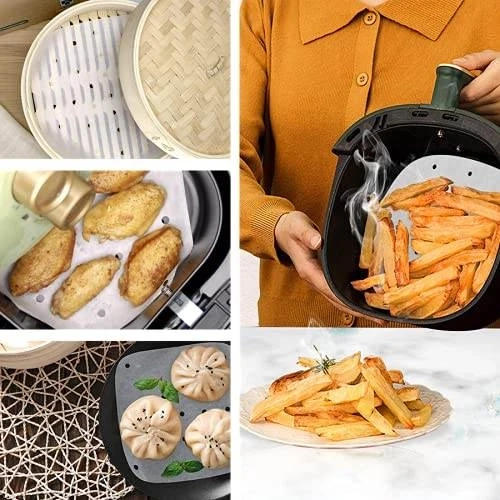
When it comes to baking, the smallest choices often make the biggest difference. From selecting the right flour to controlling oven temperature, every detail matters. One such commonly debated choice is whether to use baking paper or grease for preparing baking trays and pans. While both methods aim to prevent sticking, their impact on baking results, convenience, and sustainability varies significantly.
In this blog, we’ll take a detailed look at baking paper vs. grease, comparing their benefits, drawbacks, and best use cases—so you can decide which is better for your baking needs.
Understanding Baking Paper
Baking paper, also known as parchment paper, is a specially treated paper designed to withstand high oven temperatures. It has a non-stick surface that prevents baked goods from sticking to trays or pans.
Modern baking papers like Oddy Ecobake are designed with eco-friendly materials and food-safe coatings, making them a preferred choice for home bakers and professionals alike.
Key Features of Baking Paper
- Non-stick surface without added fats
- Heat resistant for oven use
- Prevents burning at the base
- Easy cleanup and minimal mess
- Can often be compostable or eco-conscious
What Is Greasing in Baking?
Greasing involves coating baking trays or pans with fats such as butter, oil, or shortening. Sometimes flour is added on top to create an additional barrier. This traditional method has been used for decades and is still popular for certain recipes.
Common Greasing Options
- Butter
- Vegetable oil
- Cooking spray
- Shortening
Greasing helps create a thin layer between the batter and the pan, reducing the risk of sticking.
Baking Paper vs. Grease: A Detailed Comparison
Let’s break down how baking paper and grease compare across key baking factors.
1. Ease of Use
Baking Paper:
Using baking paper like Oddy Ecobake is incredibly simple. Just cut the required size, place it on the tray, and you’re ready to bake—no additional steps required.
Grease:
Greasing requires more effort. You need to evenly coat the pan, ensure no dry spots remain, and sometimes dust with flour. It can be messy and time-consuming.
Winner: Baking Paper
2. Non-Stick Performance
Baking Paper:
High-quality baking paper provides excellent non-stick performance, even for delicate items like cookies, macarons, and pastries. Baked goods lift off effortlessly without breaking.
Grease:
While greasing can work well, uneven application may cause sticking or tearing. Some batters can still cling to the pan, especially sugary or cheesy recipes.
Winner: Baking Paper
3. Baking Results and Texture
Baking Paper:
Baking paper allows even heat distribution and reduces direct contact with metal trays, preventing over-browning or burnt bottoms. Products like Oddy Ecobake help achieve consistent results every time.
Grease:
Grease can cause the base of baked items to fry slightly, resulting in crispier or sometimes greasy bottoms. This may be desirable for certain recipes but not all.
Winner: Depends on recipe, but baking paper offers more consistency
4. Health and Nutrition
Baking Paper:
Since baking paper eliminates the need for added fats, it’s a healthier option—especially for low-fat or calorie-conscious baking.
Grease:
Greasing adds extra fat and calories to baked goods, which may not be ideal for health-focused recipes.
Winner: Baking Paper
5. Cleanup and Convenience
Baking Paper:
One of the biggest advantages of baking paper is easy cleanup. Simply remove the paper and discard it—no scrubbing required. Trays stay clean and grease-free.
Grease:
Greased trays often require soaking and scrubbing to remove baked-on residue, making cleanup more labor-intensive.
Winner: Baking Paper
6. Sustainability and Eco-Friendliness
Baking Paper:
Not all baking papers are equal, but eco-conscious options like Oddy Ecobake are designed with sustainability in mind. Many are chlorine-free, biodegradable, and responsibly sourced.
Grease:
Greasing doesn’t involve disposable materials, but it does contribute to excess oil usage and water consumption during cleaning.
Winner: Baking Paper (when eco-friendly options are used)
7. Cost Effectiveness
Baking Paper:
While baking paper has an upfront cost, it saves money in the long run by reducing oil usage, minimizing tray damage, and saving time on cleaning.
Grease:
Grease uses everyday kitchen ingredients, making it seem cheaper initially. However, frequent use of butter or oil can add up over time.
Winner: Baking Paper for regular bakers
When Should You Use Baking Paper?
Baking paper is ideal for:
- Cookies and biscuits
- Cakes and brownies
- Pastries and puff dough
- Roasting vegetables
- Baking bread and rolls
Using Oddy Ecobake ensures reliable non-stick performance while supporting eco-friendly baking practices.
When Is Grease a Better Choice?
Greasing may be preferred when:
- Baking traditional recipes like pound cakes
- Using specialty pans (bundt or loaf pans)
- Wanting crisp, golden edges
- Following classic baking instructions
In such cases, grease helps shape and release baked goods effectively.
Can You Combine Both?
Yes! Many bakers use a combination of both methods—greasing a pan lightly and lining it with baking paper. This is especially useful for cakes, ensuring easy release and perfect edges.
Final Verdict: Which Is Better for Baking?
While both methods have their place, baking paper clearly offers more advantages in terms of convenience, health, consistency, and cleanup. For everyday baking, baking paper—especially a reliable and eco-conscious option like Oddy Ecobake—is the superior choice.
Grease still has its role in traditional and specialty baking, but for modern kitchens aiming for efficiency and better results, baking paper stands out as the smarter solution.
Choosing between baking paper and grease isn’t just about preventing sticking—it’s about improving your overall baking experience. With benefits ranging from healthier cooking to effortless cleanup, baking paper has become a staple in today’s kitchens.
If you’re looking to elevate your baking while staying mindful of sustainability and performance, Oddy Ecobake is a dependable choice that combines functionality with eco-friendly values.