



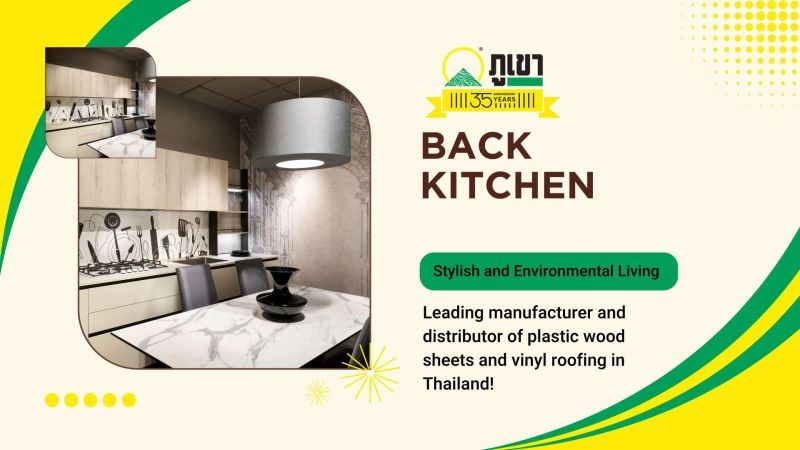
In Thailand, the kitchen is often the heart of the home, a place for family gatherings and preparing beloved meals. However, many modern homes and townhouses, particularly in bustling urban areas like Bangkok and Chiang Mai, are built with compact kitchens that can feel cramped and impractical for traditional Thai cooking styles, which often involve extensive chopping, frying, and a lot of activity. A popular and effective solution for this is a back kitchen extension. This renovation adds valuable space to the rear of a property, transforming a small, functional kitchen into a spacious, multi-purpose area that is better suited to the local lifestyle.
A back kitchen extension is more than just adding square footage; it's about re-imagining a home’s flow and functionality. It provides a dedicated area for the more intensive parts of cooking, allowing the main indoor kitchen to be used for lighter preparation, entertaining, or as a clean-up zone. The addition of a proper back kitchen can significantly enhance a property's value, improve daily living, and provide a comfortable, well-ventilated space for preparing the family's favorite dishes.
Planning for a Thai-Style Back Kitchen
Before any construction begins, thoughtful planning is essential. A successful back kitchen extension takes into account the specific needs of Thai cooking and the challenges posed by the local climate.
1. Defining the Purpose and Layout
The first step is to decide on the primary function of the back kitchen. Will it be a secondary "wet" kitchen for heavy-duty cooking? Will it be a dedicated laundry or utility area? Or will it be a mix of both? A common layout in Thailand involves creating a simple, linear kitchen with a long countertop and all appliances, such as a stove, sink, and refrigerator, arranged along one wall. This maximizes the open floor space and makes it easy to move around. Consider adding an island or a movable trolley for extra workspace.
2. Ventilation is Key
Thai cooking, with its use of woks, stir-frying, and deep-frying, generates a lot of smoke and strong aromas. Proper ventilation is not a luxury; it is a necessity. A powerful exhaust fan or range hood is a critical component of any back kitchen design. It should be vented directly outside to prevent smoke and heat from building up and to keep the main indoor kitchen and living areas from smelling like a restaurant. Cross-ventilation with open windows or louvers is also a great way to improve air circulation.
3. Protection from the Elements
A back kitchen extension needs to be built to withstand Thailand's tropical climate. This includes the intense sun, heavy rain, and high humidity. It is important to use a durable, waterproof roof and to ensure that the walls and floor are sealed to prevent moisture damage. Building a roof with a slight overhang can also help protect windows from direct rainfall and sun, keeping the interior cooler and dryer.
Smart Design Ideas for an Extension
Once the basic planning is complete, it's time to get creative with the design. A well-designed back kitchen can be a source of pride and a hub of activity.
1. Integrating Indoor and Outdoor Spaces
A back kitchen extension offers a fantastic opportunity to blur the lines between indoor and outdoor living. Installing a large sliding glass door or a set of bi-fold doors can open up the space, connecting the back kitchen to the garden or patio. This not only makes the space feel larger but also provides a pleasant view and allows for easy access to a dining area for outdoor gatherings.
2. Maximizing Storage
Storage is a perennial challenge in any kitchen. An extension provides a great opportunity to add smart, practical storage solutions.
- Floor-to-Ceiling Cabinets: Using the full height of the wall can dramatically increase storage space for pots, pans, and dry goods.
- Open Shelving: Open shelves can be a great way to store frequently used items, like spices or utensils, and can also add a decorative touch to the space.
- Pull-Out Pantries: These narrow, vertical drawers are perfect for storing condiments, spices, and cleaning supplies, and they take up very little space.
3. Choosing Durable and Easy-to-Clean Materials
The materials you choose for your back kitchen should be both functional and aesthetically pleasing. Given the nature of Thai cooking, durability and ease of cleaning are paramount.
- Countertops: Stainless steel countertops are a professional and highly practical choice. They are incredibly durable, heat-resistant, and very easy to clean. For a more classic look, granite or engineered stone are also excellent options.
- Flooring: Non-slip tiles are the best choice for a kitchen floor, as they are waterproof, easy to mop, and safer to walk on when spills occur. A matte finish can also help to hide any scratches or scuffs that may occur over time.
- Backsplash: A simple tile or stainless steel backsplash can protect your walls from oil splatters and is much easier to wipe down than a painted wall.
Essential Considerations for a Successful Project
A back kitchen extension is a significant construction project that requires careful attention to detail.
1. Working with Local Professionals
It is highly recommended to work with a reputable local contractor or a design-build firm in Thailand that has experience with this type of project. They will have a deep understanding of local building codes, materials, and the challenges posed by the climate. They can help you with everything from initial design to obtaining the necessary permits from the local authorities.
2. Utility Connections
An extension will require new connections for electricity, water, and drainage. It is crucial to have these connections done by a qualified professional to ensure safety and functionality. Proper plumbing for a sink and drainage for a washing machine, if you plan to include one, must be carefully planned to avoid future issues.
3. Lighting and Ambience
Good lighting is essential for a functional kitchen. A combination of task lighting, such as under-cabinet lights, and ambient lighting, such as recessed ceiling lights, will make the space both practical and pleasant to use. You can also consider a skylight to bring in natural light, which can make the space feel more open and airy.
Conclusion
A back kitchen extension is a smart and practical investment for any home in Thailand. It solves the common problem of a cramped kitchen by providing a dedicated, well-ventilated space for intensive cooking, while also adding significant value and functionality to the property. By carefully planning the layout, choosing durable and easy-to-clean materials, and working with experienced local professionals, you can transform the back of your home into a beautiful and highly functional space. It’s a project that not only improves the flow of your home but also enhances your quality of life, allowing you to enjoy a comfortable and convenient space to prepare the meals that bring your family together.
FAQs
1. Do I need a building permit to extend my kitchen?
Yes, in most cases, you will need a building permit from the local municipality or district office. The requirements can vary by location and the size of the extension. A professional contractor can help you navigate this process and ensure your project complies with all local building codes and regulations.
2. How long does a back kitchen extension project typically take?
The duration of a back kitchen extension project can vary widely depending on the size, complexity, and local weather conditions. A simple extension can take anywhere from 2 to 4 weeks, while a more complex project that involves major structural changes can take several months.
3. What is the average cost of a back kitchen extension in Thailand?
The cost can vary significantly based on factors like the size of the extension, the quality of materials, and the complexity of the design. A basic back kitchen extension with standard materials might cost in the range of 5,000 to 10,000 Thai Baht per square meter, but this can increase significantly for high-end materials and custom designs. It's best to get a detailed quote from a few different contractors before starting.
4. Can I add a back kitchen extension to a condominium or apartment?
It is generally not possible to add an extension to a condominium or apartment, as you do not own the exterior structure. Extensions are typically only possible for homes or townhouses where you own the land and the building itself.