



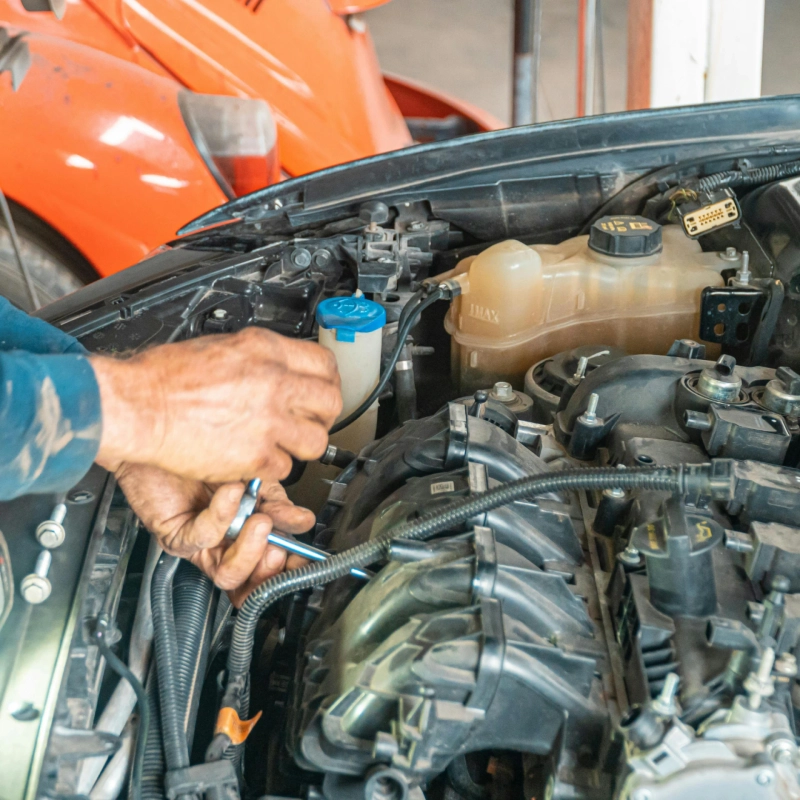
The B58 engine is a marvel of modern engineering, known for its smooth power delivery and reliability. But even the best engines can run into trouble, and overheating is a common issue that can spell disaster if ignored. If your B58 engine is running hotter than it should, the culprit might be hiding in plain sight: the water pump.
Why the Water Pump Is Crucial for Your B58 Engine
The water pump plays a vital role in your engine’s cooling system. It circulates coolant through the engine block, cylinder head, radiator, and heater core, maintaining the optimal temperature for performance and longevity. Without a properly functioning water pump, coolant flow slows or stops, causing the engine to overheat quickly. This is particularly critical in high-performance engines like the B58, where precise temperature control is essential for maximizing power output and efficiency.
On the B58, which is a turbocharged inline-six engine found in various BMW models, the cooling system is designed to handle high heat loads efficiently. The water pump must keep up with the demands of the engine’s increased output and thermal stress. A failing water pump can disrupt this delicate balance, leading to overheating and potential engine damage. Moreover, the B58 engine's design incorporates advanced technologies that push the limits of performance, making the reliability of the water pump even more crucial. Regular maintenance and timely replacement of the water pump can prevent costly repairs and ensure that your engine runs smoothly under all conditions. For trusted parts and service, visit Torrance Motors.
Signs Your Water Pump Might Be Failing
Not every overheating issue points directly to the water pump, but certain symptoms can help you narrow down the problem. Look out for:
- Coolant leaks: A worn-out water pump seal or gasket can cause coolant to leak around the pump housing.
- Whining or grinding noises: A bad bearing inside the water pump will often produce an unusual noise, especially as engine speed increases.
- Engine temperature spikes: Fluctuating or consistently high engine temperatures can indicate poor coolant circulation.
- Steam or coolant smell: Steam coming from under the hood or a sweet smell of coolant can be signs of overheating and coolant loss.
If you notice any of these, it’s worth investigating the water pump as a potential cause. Additionally, keep an eye on the overall condition of your coolant. Discolored or contaminated coolant can signal that the water pump is struggling to maintain the system's integrity. Regularly checking the coolant level and quality can help you catch issues early, allowing for preventive measures before they escalate into more serious problems. Furthermore, consider the age and mileage of your vehicle; if your B58 has been on the road for several years, it may be time to inspect the water pump and related components as part of your routine maintenance schedule.
How the B58 Water Pump Differs from Others
Unlike some engines that use a mechanical water pump driven by the timing belt or serpentine belt, the B58 employs an electric water pump. This design offers several advantages, including precise control over coolant flow independent of engine speed, improved efficiency, and better thermal management. The electric water pump can operate even when the engine is off, allowing for optimal cooling during periods of high thermal load, such as after a spirited drive or during stop-and-go traffic.
The electric water pump on the B58 is controlled by the engine management system, which adjusts its speed based on coolant temperature and engine load. This means the pump can ramp up when the engine is hot or slow down to conserve energy when it’s cool. However, this complexity also introduces new failure points, such as electrical issues or motor wear. Additionally, the ability to fine-tune coolant flow can lead to improved engine performance and longevity, as the engine can maintain ideal operating temperatures more effectively than with traditional mechanical pumps.
Common Water Pump Issues Specific to the B58
Because the B58’s water pump is electric, the typical mechanical wear signs might not always be present. Instead, you might encounter:
- Electrical failures: Wiring problems, connector corrosion, or motor burnout can cause the pump to stop working.
- Software glitches: Sometimes the engine control unit (ECU) may not command the pump properly due to sensor errors or software bugs.
- Reduced flow rate: Internal wear or partial blockage can reduce the pump’s effectiveness without a complete failure.
Diagnosing these issues often requires specialized tools and knowledge, but understanding the symptoms can help you communicate effectively with your mechanic. In some cases, a simple software update can resolve issues related to pump operation, making it crucial to keep the vehicle's software up to date. Moreover, regular maintenance checks can help catch potential problems early, ensuring that the electric water pump continues to function optimally and that the engine remains within its ideal temperature range.
Another aspect to consider is the integration of the electric water pump with the vehicle's overall cooling system. The B58’s design allows for more efficient heat dissipation, which is particularly beneficial in high-performance scenarios. As the engine generates more power, the cooling system must work harder to manage the increased heat. The electric water pump's ability to respond dynamically to changing conditions is a significant advantage, allowing for improved performance during demanding driving situations. This responsiveness not only enhances performance but also contributes to the engine's durability over time, making the B58 a standout choice in its class.
Diagnosing Water Pump Problems on Your B58 Engine
When your B58 engine shows signs of overheating, start by checking the basics: coolant level, radiator condition, and thermostat operation. If these are in good shape, the water pump deserves closer scrutiny.
Visual Inspection
Look for coolant leaks around the water pump housing and hoses. On the B58, the water pump is typically located near the front of the engine, behind the accessory drive components. A steady drip or wetness around the pump can indicate a failing seal.
Listen for Unusual Noises
With the engine running, listen carefully near the water pump area. A high-pitched whine, grinding, or rattling noise can point to a worn bearing or motor issue. Because the pump is electric, the noise may be more subtle than a mechanical pump, so take your time.
Check Coolant Flow
One way to test the water pump’s effectiveness is to observe coolant circulation. After the engine warms up, remove the radiator cap (only when the engine is cool enough to avoid burns) and watch for coolant movement. If the pump is working, you should see coolant flowing steadily when the thermostat opens.
Scan for Trouble Codes
Modern BMWs with the B58 engine have sophisticated diagnostics. Using an OBD-II scanner or BMW-specific diagnostic tool, check for any related trouble codes. Codes related to coolant temperature sensors, pump operation, or electrical faults can provide clues.
Replacing the Water Pump on a B58 Engine
If you’ve confirmed the water pump is the problem, replacement is usually the best course of action. While some water pumps can be rebuilt, the B58’s electric pump is typically replaced as a complete unit.
What to Expect During Replacement
Replacing the water pump on the B58 is not a simple job. The pump is integrated into the cooling system with several hoses and electrical connectors. Accessing it often requires removing engine covers, the intake manifold, or other components depending on the vehicle model.
Expect the process to take several hours, even for experienced mechanics. It’s also common practice to replace the thermostat and inspect or replace coolant hoses during the same service to avoid future issues.
Choosing the Right Replacement Pump
OEM water pumps are generally recommended for the B58 due to the precision and reliability required. Aftermarket pumps may be cheaper but can vary in quality and longevity.
When buying a replacement, ensure it matches your vehicle’s exact model and production year. BMW often updates parts during production runs, so cross-reference part numbers carefully.
Preventing Water Pump Failure and Overheating
Prevention is always better than repair. Keeping your B58’s cooling system in top shape can extend the life of the water pump and prevent overheating.
Regular Coolant Maintenance
Coolant degrades over time, losing its ability to protect against corrosion and maintain proper heat transfer. Follow BMW’s recommended coolant change intervals, usually every 3 to 5 years, and use the specified coolant type.
Monitor Engine Temperature
Don’t ignore the temperature gauge. If it starts creeping into the red zone or fluctuating wildly, investigate immediately. Early detection of cooling issues can save you from costly repairs.
Listen and Look for Early Warning Signs
Pay attention to unusual noises under the hood, coolant leaks, or steam. Even minor signs can indicate a problem before it becomes severe.
Professional Inspections
During routine maintenance or oil changes, ask your mechanic to inspect the cooling system, including the water pump. They can spot wear or leaks that might not be obvious to the untrained eye.
When Overheating Goes Beyond the Water Pump
While the water pump is a common cause of overheating, it’s not the only one. Other components can contribute to or cause similar symptoms:
- Thermostat failure: A stuck thermostat can block coolant flow, causing rapid overheating.
- Radiator issues: Blockages, leaks, or damaged fins reduce cooling efficiency.
- Cooling fan problems: Electric fans that don’t engage or run at low speed fail to cool the radiator effectively.
- Head gasket leaks: A blown head gasket can cause coolant loss and overheating.
Proper diagnosis is key. Sometimes multiple issues coexist, and fixing one without addressing the others won’t solve the problem.
Final Thoughts
The B58 engine’s electric water pump is a sophisticated component that plays a crucial role in preventing overheating. If your engine is running hot, don’t overlook the water pump as a potential cause. Early detection and maintenance can save you from expensive repairs and keep your BMW running smoothly.
Remember, the cooling system is a team effort. Keeping all parts in good condition ensures your B58 engine stays cool under pressure, delivering the performance and reliability you expect.