



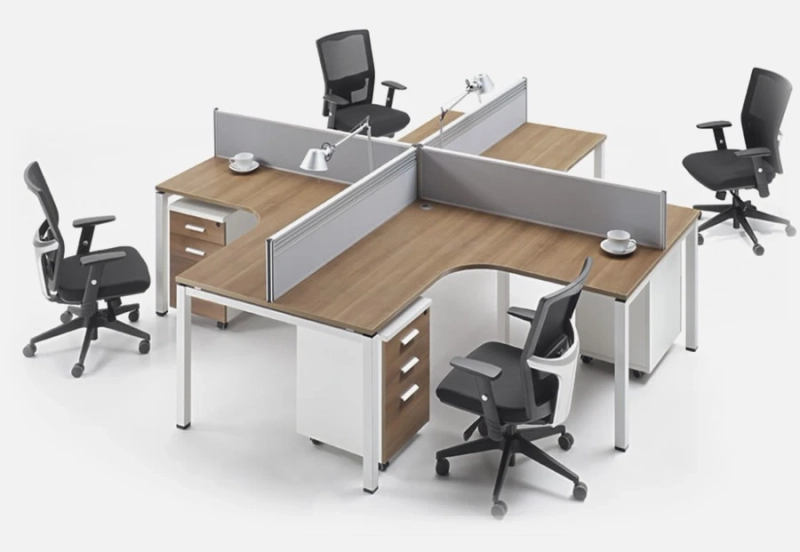
The B2B Office Desk Market is witnessing a surge in innovation, design evolution, and purchasing behaviors, driven by a new wave of emerging trends. As companies adapt to post-pandemic realities, prioritize employee well-being, and embrace hybrid work models, the demand for adaptable, sustainable, and tech-enabled desks is reshaping the competitive dynamics of this global market.
Rise of Hybrid and Activity-Based Workstations
One of the most pronounced emerging trends is the transition from fixed seating to activity-based workstations. Desks are no longer assigned but serve multiple functions—collaboration, focus, meetings, or standing work—all within a single space.
Manufacturers are responding with furniture systems that are easy to reconfigure. Adjustable-height desks, foldable components, and casters for mobility are now common features. Hybrid work models have made these flexible configurations essential for optimizing office space.
Smart Desk Integration and Workplace Analytics
Technology is being embedded into desk infrastructure at an unprecedented rate. Smart desks now come equipped with sensors that track occupancy, usage duration, posture habits, and environmental conditions such as lighting and temperature.
These smart features feed data into building management systems and allow businesses to optimize space utilization and promote user wellness. Some smart desks even connect with employee apps to remember ergonomic preferences or alert users to take breaks—ushering in a new era of personalized workspaces.
Preference for Sustainable and Circular Products
Sustainability is no longer an optional feature; it’s a prerequisite. Buyers are increasingly drawn to desks that are manufactured using recycled materials, FSC-certified wood, low-VOC coatings, or modular designs that allow for reuse and refurbishment.
Manufacturers embracing circular economy models—offering take-back programs or leasing desks with lifetime support—are gaining traction. Carbon labeling and transparent sourcing are also emerging as decisive factors in B2B furniture contracts.
Shift Toward Direct-to-Buyer Digital Channels
Digital commerce is transforming the way office desks are sold. Direct-to-business (D2B) e-commerce platforms, complete with 3D configurators and AR visualization tools, allow office managers to explore, customize, and purchase desks online.
This shift accelerates the buying process, enables greater transparency in pricing, and reduces dependence on physical showrooms. It also levels the playing field, allowing smaller, design-forward brands to compete with global giants.
Customization as a Core Offering
Today’s buyers seek more than off-the-shelf solutions—they want desks tailored to their needs. Whether it’s custom dimensions, finishes that match brand colors, or integrated storage, customization has moved from premium feature to baseline expectation.
This trend is being met with modular production processes, just-in-time manufacturing, and vendor platforms that allow full customization before purchase. Personalized workstations are viewed as tools for boosting morale, reinforcing identity, and enhancing employee productivity.
Wellness-Focused Ergonomic Design
As musculoskeletal issues and sedentary lifestyle concerns grow, ergonomic design has become central to office desk innovation. Sit-stand functionality, lumbar-supporting surfaces, under-desk treadmills, and wrist-friendly edges are in demand.
Desks are no longer only judged by how they look or fit into a space—but by how they contribute to user health. Companies now include ergonomic testing and employee feedback as part of procurement evaluations.
Influence of Gen Z and Millennial Workforce Preferences
Younger professionals expect modern, comfortable, and aesthetically pleasing workspaces. This generational shift is driving demand for minimalist design, technology integration, and socially responsible brands.
Desks must now support laptop-first work habits, provide cable management, enable mobile device docking, and adapt to fast-paced collaboration. Furniture vendors are aligning product development with these user profiles to stay relevant.
Adoption of Desk-as-a-Service (DaaS)
In line with broader "as-a-service" business trends, Desk-as-a-Service models are becoming popular. These involve flexible contracts where desks are rented, serviced, and upgraded over time—eliminating large upfront costs and allowing businesses to evolve their spaces as needed.
This model is especially appealing to startups, scale-ups, and enterprises managing shifting headcounts. It also ties into circular economy goals by ensuring product longevity and lifecycle accountability.
Design Thinking in Office Layouts
Office desks are now part of larger, strategically designed environments that aim to support creativity, collaboration, and focus. Design thinking principles are guiding furniture choices—not just aesthetics, but user experience and team flow.
Buyers and architects increasingly co-develop desk strategies alongside spatial layouts to ensure alignment with culture, workflows, and company values. This human-centered design focus is a rising trend influencing both large and small projects.
Conclusion: Navigating an Evolving Trend Cycle
The B2B Office Desk Market is on the cusp of a new design and function paradigm. As emerging trends continue to drive innovation, vendors must stay ahead of evolving workplace expectations, sustainability mandates, and digital procurement models. Success lies in responsiveness, adaptability, and user-first thinking.