



Designing an audiovisual system for a large-scale auditorium is far more complex than installing a few microphones and speakers. It requires strategic planning, technical expertise, and precision to deliver crystal-clear sound, sharp visuals, and seamless system integration. Whether the space is used for conferences, concerts, lectures, or worship, every element—from acoustics to control systems—must work together harmoniously. That is where a well-structured AV System Design process becomes essential.
In this blog, we will explore the unique challenges that come with designing AV systems for large auditoriums and discuss practical solutions to ensure a flawless experience for both the audience and the operators.
Understanding the Complexity of Large-Scale Auditoriums
Unlike small meeting rooms or classrooms, auditoriums are dynamic environments. They typically host hundreds or even thousands of attendees and accommodate diverse events. This means the AV infrastructure must be flexible, scalable, and easy to manage.
An auditorium AV setup must handle multiple input sources, deliver consistent sound coverage, and offer visual clarity across all seating areas. It should also integrate seamlessly with control systems and automation platforms for smooth operation.
A good AV System Design starts with a deep understanding of the room’s architecture, acoustics, and usage patterns. Without that, even the most advanced equipment can underperform.
Key Challenges in AV System Design for Auditoriums
Let us take a closer look at the major challenges faced by AV designers and integrators while working on large-scale auditoriums.
1. Acoustic Variability and Sound Coverage
Large auditoriums often have complex shapes and reflective surfaces. These architectural elements can cause echo, reverberation, and uneven sound distribution. A person sitting in the front row might hear the sound perfectly, while someone in the last row might experience distortion or low volume.
2. Visual Clarity and Projection Distance
Maintaining sharp, visible imagery for every audience member is another challenge. Projectors and LED displays must be powerful enough to reach long viewing distances while maintaining resolution and brightness. Ambient lighting and screen placement also play key roles in achieving optimal visibility.
3. System Scalability and Flexibility
Auditoriums are used for a variety of events—from small lectures to full-scale performances. The AV system must therefore be flexible enough to adapt to different configurations and scale up or down depending on the event requirements.
4. Control and Automation
Operating AV systems in a large auditorium can be complex. With multiple microphones, speakers, cameras, and displays, manual control can quickly become overwhelming. A centralized control interface is critical to simplify management and ensure synchronized performance.
5. Cable Management and Signal Integrity
When dealing with large spaces, cable lengths increase significantly. Long cable runs can result in signal loss, latency, or interference if not designed correctly. Proper cable routing and signal amplification become vital parts of the design.
6. Maintenance and Accessibility
Once the AV system is installed, maintenance and accessibility are ongoing challenges. Technicians must be able to access key components easily for updates, repairs, or calibration without disrupting operations.
Practical Solutions for Effective Auditorium AV Design
Now that we have identified the challenges, let us focus on the solutions. With modern tools and design strategies, these issues can be addressed effectively to deliver an immersive audiovisual experience.
1. Acoustic Modeling and Treatment
Start the AV System Design with an acoustic analysis of the room. Use simulation software to model how sound waves interact with walls, ceilings, and seating areas. This helps determine the optimal speaker placement and identify areas that need acoustic treatment.
Adding diffusers, absorbers, and panels can significantly reduce echo and improve speech intelligibility. Line array speaker systems are particularly effective in large auditoriums because they provide consistent coverage across a wide area.
2. Choosing the Right Visual Display Technology
For large venues, high-lumen projectors or modular LED displays are ideal. Projectors with laser light sources offer long life and bright output, while LED video walls provide flexibility in screen size and shape.
Placement and angle are equally important. Ensure the screen is visible from all seating areas, and consider using multiple displays for very large spaces. If the auditorium has high ambient lighting, opt for high-contrast displays or ambient light-rejecting screens.
3. Implementing Scalable Audio and Video Systems
Scalability is key. Use digital audio networks such as Dante or AVB to handle large numbers of channels efficiently. This allows easy expansion if more microphones or speakers are added in the future.
For video, use matrix switchers that can handle multiple inputs and outputs simultaneously. This ensures flexibility in routing different content to various displays or zones within the auditorium.
4. Integrating Centralized Control Systems
Automation simplifies operation. Integrating a centralized control platform allows users to manage lighting, audio levels, source selection, and display settings from a single touch panel.
This not only improves efficiency but also reduces the risk of operational errors. Pre-programmed event modes can automate settings for lectures, performances, or conferences with just one command.
5. Optimizing Cable Routing and Connectivity
When designing cable layouts, follow structured cabling standards. Use shielded cables to reduce interference, and install signal boosters or extenders for long distances.
Labeling and documentation are also crucial. Every connection should be clearly marked so that future maintenance or upgrades can be performed quickly. Using high-quality connectors and cable management systems ensures reliability and easy troubleshooting.
6. Planning for Maintenance and Future Upgrades
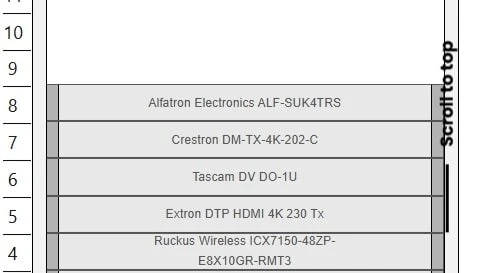
Design with accessibility in mind. Ensure equipment racks, amplifiers, and processors are placed in accessible locations. Leave extra rack space for future additions and consider modular setups for easy upgrades.
Additionally, cloud-based monitoring systems can help track performance, detect faults, and send alerts when maintenance is needed.
7. Using AV Design Software for Precision
One of the most efficient ways to handle large-scale auditorium projects is by using purpose-built design platforms like XTEN-AV. Unlike generic CAD tools, XTEN-AV offers intelligent automation, equipment libraries, and collaboration features tailored specifically for AV professionals.
It enables precise layout creation, accurate cable planning, and automatic documentation generation. By leveraging these capabilities, designers can minimize human error, speed up the design process, and ensure system compatibility before installation begins.
Conclusion
Large-scale auditorium installations present unique challenges that require careful planning and advanced technical design. Every decision—from acoustic modeling to cable routing—affects how the audience experiences the final output. A successful AV System Design is one that delivers clarity, consistency, and reliability while remaining easy to operate and maintain.
With the right combination of technology, software, and expertise, these challenges can be transformed into opportunities for innovation. Tools like XTEN-AV empower designers and integrators to streamline complex projects, improve collaboration, and deliver world-class AV experiences in even the largest auditoriums.
Whether you are designing for a university, corporate conference center, or cultural venue, precision and planning are your greatest allies. With modern design tools and best practices, every seat in the auditorium can truly become the best seat in the house.
Read more: https://www.linkedin.com/pulse/av-system-design-software-vs-traditional-methods-which-singh-d1qce/