



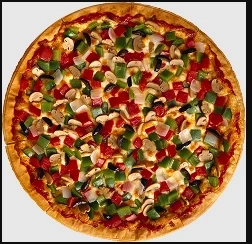
Italian pizza is simple, but not easy. When done right, it feels almost effortless. Thin crust. Balanced toppings. No overload. That is exactly what pizza Romano is known for, and why it is still loved in home kitchens as much as small neighbourhood trattorias. This style is less about perfection and more about feel, timing, and trusting the process.
You do not need a wood-fired oven or fancy tools. You just need patience, good ingredients, and a willingness to get your hands a little messy.
What Makes Roman-Style Pizza Different
Roman pizza is lighter and crisper than many other styles. The dough is thinner, often stretched more than tossed. It bakes fast and eats even faster.
Key characteristics include:
- A thin, crisp base with slight chew
- Minimal toppings
- High hydration dough
- Olive oil-forward flavour
This is pizza you can eat slice after slice without feeling heavy.
Ingredients That Actually Matter
You do not need many ingredients, but quality matters more here.
For the dough:
- 500g tipo “00” flour or strong bread flour
- 325ml cold water
- 10g fine sea salt
- 3g instant yeast
- 2 tablespoons olive oil
For topping:
- Crushed San Marzano-style tomatoes
- Fresh mozzarella or fior di latte
- Olive oil
- Fresh basil
- Salt
That is it. Resist the urge to add more.
Making the Dough Without Overthinking It
Mix flour and yeast first. Add water slowly. It will feel sticky. That is normal. Add salt and oil last.
Knead until smooth, but not perfect. If it feels slightly rough, that is fine. Cover and let it rest. This is where most people rush. Do not. Let the dough rise slowly in the fridge for at least 24 hours. Forty-eight is better. Flavour needs time.
Shaping Like a Real Kitchen Would
Take the dough out early so it warms slightly. Press it gently from the centre outward. Do not use a rolling pin. Ever. You want uneven bubbles. That is character, not a flaw. If it sticks, use a little flour. Too much ruins the texture.
Baking at Home Without a Pizza Oven
Heat your oven as hot as it will go. At least 250°C. Use a pizza stone or an upside-down baking tray. Bake one pizza at a time. It is tempting to multitask, but you will regret it. Watch closely. Roman pizza cooks fast. Burnt edges happen quickly.
Common Mistakes People Make
Most issues come from trying too hard.
Avoid:
- Overloading toppings
- Rushing fermentation
- Adding sugar to the dough
- Baking at low temperatures
Simple always wins here.
Why This Style Still Works Today
Roman pizza fits modern eating. It is lighter. Easier to digest. More focused on flavour. It also suits casual dinners. You can make a few bases, let people top their own, and keep things relaxed. No pressure. No rules.
Bringing It Together Like an Italian Table
Before finishing, it helps to see this pizza as part of a bigger meal. In many homes, pizza sits alongside salads, simple pasta, and shared plates. That is where romano pizza and pasta work so well together. Romano pizza and pasta complement each other without competing.
When Romano pizza and pasta are served together, the meal feels complete but not heavy. Many Italian families rely on romano pizza and pasta for easy, comforting meals that still feel special. If the crust is slightly uneven or the basil wilts too fast, that is fine. That is real cooking. Make it again. Adjust next time. That is how the best recipes are learned, not followed.