



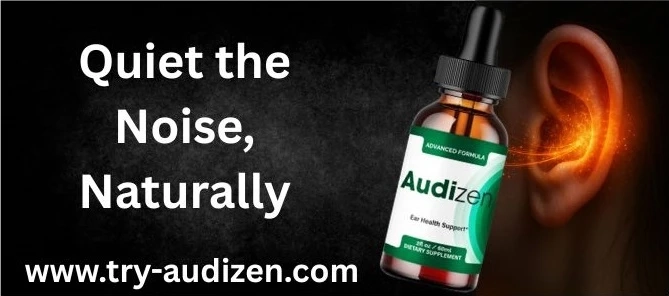
Tinnitus — that constant ringing, buzzing, or hissing in the ears — affects millions of people. It's frustrating, sleep-interrupting, and can seriously impact quality of life. Many people seek relief through supplements, drops, or herbal remedies. Audizen is one of the newest products marketed for tinnitus relief, claiming to be natural, effective, and safe. But are these claims credible? Do users get results? And what are the complaints or risks? This article digs deep into what is known so far about Audizen, what people are saying, what the science shows, and whether it's worth considering.
What Is Audizen?
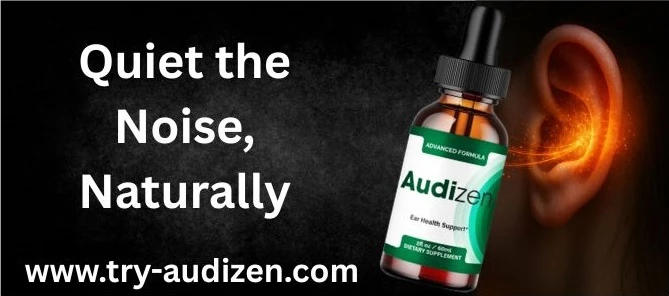
Audizen (sometimes referred to as Audizen Drops, Audizen Tinnitus Drops, or Audizen Ear Health Support) is marketed as a natural formula designed to alleviate tinnitus symptoms. According to its official claims:
- It is plant-based and natural, including herbal extracts and vitamins.
- Manufactured in GMP-certified (Good Manufacturing Practice) or FDA-registered facilities in the USA.
- Claims to reduce inflammation in the auditory pathways, improve blood flow to the inner ear and brain, calm overactive auditory nerves, protect against oxidative stress, and thereby reduce the perception of ringing or buzzing.
- Comes with a 60-day money-back guarantee.
Key Ingredients Claimed by Audizen
Here’s a list of some ingredients that Audizen’s website and third-party sources list, along with their purported functions:
Ingredient
Ginkgo biloba enhances blood circulation to the brain & ears, an antioxidant.
Hibiscus helps with inflammation; may support blood flow, calming effect.
Hawthorn Berry supports cardiovascular circulation, antioxidant properties.
Olive Leaf Extract Antimicrobial/anti-inflammatory; protection of ear tissues.
Niacin (Vitamin B3) Improves circulation; supports nerve function.
Vitamin B12 Nerve function, helping with auditory nerve signaling.
It is worth noting that some sources mention other elements (e.g., minerals, additional antioxidants), but the official core ingredients are those listed above.
What Supportive Evidence or Scientific Backing Exists?
When evaluating products like Audizen, it's important to distinguish between the claims made by the manufacturer and what credible scientific studies exist. Here’s what is known (so far):
- Ingredient-Level Research: Some ingredients in Audizen do have some scientific backing for supporting ear health, circulation, reducing oxidative stress, etc. For example, Ginkgo biloba and B vitamins have been studied for their effects on nerve health and circulation. However, in many cases, the evidence is mixed, indirect, or limited to animal or small-scale human trials.
- Lack of Product-Specific Clinical Trials: There is no publicly available, peer-reviewed, randomized controlled trial (RCT) that tests Audizen itself (i.e., the full blend and delivery method) vs a placebo in humans suffering from tinnitus. This means it is hard to confirm its efficacy definitively.
- User Experience Data: Reviews from customers are mixed. Some users claim noticeable improvements (less ringing, better sleep, improved hearing clarity) after weeks of use. Others report no effect, or minimal effect, even after consistent usage. Some complaints about adverse senses, such as ear fullness or a clogged sensation.
What Are the Complaints & Red Flags?
While many marketing materials for Audizen are positive, there are several complaints and red flags raised by customers, reviewers, and watchdog sites. Here are major concerns:
- Effectiveness Varies Widely, Sometimes None
- Several users report little to no change in tinnitus symptoms after several weeks.
- Some say that only after 6-8 weeks or more do they notice slight improvements. For some, the change is subtle. Misleading Marketing, Celebrity Endorsements, and Testimonials
- Accusations that some ads use unverified or fake celebrity endorsements. For example, the misuse of names like Dr. Dean Ornish.
- Concerns that testimonials are exaggerated or cherry-picked, often overly positive, with little detail.
- Transparency Issues
- In some cases, customers report that the ingredient quantities or full blend (especially proprietary mixes) are not disclosed clearly.
- Difficulty in distinguishing legitimate from counterfeit versions when buying from third-party retailers. Some products may differ from what is advertised.
- Refund, Customer Service & Price Complaints
- Despite claims of a 60-day money-back guarantee, multiple users report trouble obtaining refunds or getting customer support responses.
- Price is reported by many as on the high side, especially given uncertain results. Some feel the cost is disproportionate to the benefit.
- Potential Safety Concerns & Side Effects
- Some users report their ears feeling blocked, clogged, or heavier after using drops.
- As with any herbal or supplement product, there is a risk of allergic reactions or interactions, especially when someone already takes other ear medications or has underlying ear or systemic health issues. No large-scale safety trials appear to be available.
- Website Trust & Authenticity Issues
- Some websites selling Audizen receive low trust scores from scam watchdogs, or are very new, use masked WHOIS registrations, or show other red flags typical of scam-style marketing.
- Confusion about whether Audizen is a drop-form (ear drops) or an oral supplement, which leads some users to feel misled.
What Do Independent Reviews Think? Case Examples
Here are some summaries of independent reviews or real user testimonials:
- A reviewer on Snoopviews reported no improvement after three weeks, and also a sensation of clogged ears. They described the product as possibly misleading.
- On Ubuy (India), some customers rated Audizen Drops very poorly (1-2 stars), stating “waste of money,” “total scam,” or “ineffective.” Others noted the hassles in knowing exactly how to apply it and whether what they received was legitimate.
- Conversely, some users do report improvement: reduced ringing, better sleep, improved clarity. But these are often after weeks of use. These positive reviews are more common in marketing materials, and it’s hard to verify them independently.
Does Audizen “Really Work”?
Putting together what Audizen claims, what the ingredients may be able to do, and what users are reporting, here's a balanced view:
- Possibly helpful for some users: For people whose tinnitus is mild, intermittent, or whose symptoms are aggravated by poor circulation, inflammation, or oxidative stress, some of the ingredients in Audizen might offer incremental relief. Herbal extracts like Ginkgo biloba and antioxidants have some basis in scientific literature for supporting ear health.
- Not a cure, and results are not guaranteed: There is no strong, high-quality RCT showing Audizen itself restores hearing or eliminates tinnitus. Differences in effect depend heavily on individual factors: how long someone has had tinnitus, underlying causes (ear damage, exposure to loud noise, ear infection, neurological causes, stress), other health conditions, other treatments used, how consistently the product is used, and dosage.
- Expect gradual change, if any: Many users report that any improvements show up only after weeks or months, not immediately. Reducing symptoms like intensity or frequency of ringing may happen, but not full disappearance. For many, the perceived effect is modest.
- Placebo and expectation effects may play a role in reports of improvement. When people believe strongly in a product, or want it to work badly (which is very common in tinnitus sufferers), they may perceive improvements even if objective measures don’t show much change.
- Risk of disappointment: Given the cost, variable effectiveness, and potential for misleading marketing, many users may feel let down.
Safety, Side Effects & Precautions
When considering any supplement or herbal remedy, safety is extremely important. With Audizen:
- It is generally claimed to be “safe,” “non-GMO,” plant-based, with no harsh chemicals.
- But “natural” doesn’t always mean harmless. Herbal extracts can cause reactions, especially in people with allergies, taking other medications, or with certain health conditions.
- Some complaints of ear blockage, taste issues, or a feeling of clogged ears exist. Those could be physical (if drops are topical or local) or due to ingredient reactions.
- Always important: Because tinnitus can have many underlying causes (hearing loss, ear infections, neurological issues, vascular problems, etc.), if symptoms are severe, worsening, or accompanied by hearing loss, dizziness, or pain, one should see a qualified ENT specialist or audiologist. Supplements are supportive at best.
Price, Availability & Buying Tips
- Price: On the official site, the product is priced in a premium range. Bulk packages may reduce per-unit cost. But many users feel that the cost is high relative to uncertain benefits.
- Availability: It seems more reliably available from the official site. Third-party sellers sometimes offer it at a lower price, but with the risk of counterfeit or quality issues. Some users report stock shortages.
- Refund policy: The official site claims a 60-day money-back guarantee. However, there are multiple reports that users had difficulty getting a refund or having customer service respond. What seems to matter is ordering from official channels and keeping proof of purchase.
Alternatives for Tinnitus Relief
Because Audizen is not guaranteed to work for everyone, it’s useful to know about other strategies and treatments that have more robust evidence. Some alternatives:
- Sound therapy: masking the ringing with external sound, white noise machines, and hearing aids with masking features.
- Counseling, cognitive behavioral therapy (CBT) to reduce the distress associated with tinnitus.
- Medical check-ups: treating underlying ear or sinus infections; checking for earwax blockage; checking medications that may worsen tinnitus.
- Lifestyle changes: reducing exposure to loud noise; limiting caffeine or stimulants if those aggravate symptoms; managing stress, sleep, and blood pressure.
- Supplements with better studied evidence (if used) — for example, magnesium, zinc (if deficient), B-complex vitamins — but under medical supervision.
Final Verdict: Should You Try Audizen?
Here’s a summary of what to weigh if you are considering Audizen
Pros
Natural ingredients with some plausible mechanisms.
Some users report relief after consistent use.
Manufactured in a GMP or registered facility; claimed safety.
Refund guarantee in theory.
Cons
No strong independent clinical trial to confirm full effectiveness.
Results are highly variable; many users report no or little benefit.
Complaints about misleading marketing and difficulty in verifying authenticity.
Complaints about getting refunds, cost, and price/value ratio.
Conclusion:
Audizen may work for some individuals, especially when tinnitus is mild or related to lifestyle, circulation, or inflammation issues. It’s not a guaranteed cure. If you try it, set realistic expectations: give it time (weeks or months), ensure you buy the genuine product from official or trusted sellers, and monitor for side effects. Always consult a healthcare professional if your symptoms are severe or getting worse.
Audizen may offer relief for some tinnitus sufferers, but results vary. Learn more about ingredients, safety, and verified user feedback on the official website before you decide.