



Cardiovascular disease remains a leading cause of mortality globally, and in Thailand, where dietary habits often involve high levels of saturated fats, managing blood cholesterol levels is a critical public health priority. When lifestyle changes alone—such as diet and exercise—are insufficient to control high cholesterol, physicians frequently turn to a class of drugs known as statins. Among the most potent and widely prescribed of these is Atorvastatin. Understanding the action of atorvastatin medication is crucial for anyone prescribed this drug, as its purpose extends far beyond simply adjusting numbers on a lab report; it is a fundamental tool for preventing heart attacks and strokes.
Atorvastatin is a medication primarily used to treat dyslipidemias—abnormal levels of fats (lipids) in the blood, particularly high levels of Low-Density Lipoprotein (LDL) cholesterol, often termed "bad cholesterol." It belongs to the HMG-CoA reductase inhibitor class of drugs, known as statins. Prescribing this medication in Thailand, whether the brand name or the generic, is a serious intervention, reserved for patients identified as being at high risk for major adverse cardiovascular events (MACE). The long-term goal of taking Atorvastatin is not just to lower cholesterol but to stabilize arterial plaque, reduce inflammation in the blood vessels, and ultimately, save lives by reducing the risk of fatal and non-fatal cardiovascular events.
The Primary Mechanism: Blocking Cholesterol Production
Atorvastatin's effectiveness stems from its targeted action within the liver, the body's main site for cholesterol synthesis. It works by interfering with the biochemical pathway responsible for producing cholesterol.
HMG-CoA Reductase Inhibition
The key to Atorvastatin's function is its interaction with a specific enzyme located in the liver cells.
- Targeting the Enzyme: Atorvastatin competitively inhibits the enzyme 3-hydroxy-3-methylglutaryl-coenzyme A (HMG-CoA) reductase. This enzyme is crucial for the early, rate-limiting step in the liver's natural process of synthesizing cholesterol (the mevalonate pathway).
- Reducing Production: By blocking this enzyme, Atorvastatin dramatically slows the liver's internal production of cholesterol. This decrease in production is the primary mechanism by which the medication lowers the overall concentration of cholesterol in the bloodstream.
Up-regulating LDL Receptors
A vital secondary mechanism enhances the cholesterol-lowering effect beyond simply reducing production.
- Increasing Cell Demand: When the liver's internal cholesterol supply is diminished by Atorvastatin, the liver cells sense a deficit. In response, they increase the number of specialized receptors, called LDL receptors, on their surface.
- Clearing the Bloodstream: These increased receptors act like sponges, efficiently capturing and removing more Low-Density Lipoprotein (LDL) from the bloodstream. This combined action—reducing liver production and accelerating blood clearance—makes Atorvastatin highly effective at lowering the "bad" cholesterol that contributes to plaque buildup.
Indications: More Than Just High Cholesterol
While Atorvastatin is famed for its cholesterol-lowering properties, its clinical use is broader, encompassing primary prevention in high-risk individuals and secondary prevention in those with established disease.
Primary Prevention of Cardiovascular Disease (CVD)
Atorvastatin is widely used in individuals who have not yet had a heart attack or stroke but are deemed to be at high risk due to multiple risk factors, common in the population in Thailand.
- Risk Factor Management: It is prescribed to patients with multiple CVD risk factors, such as Type 2 Diabetes Mellitus, hypertension (high blood pressure), smoking, obesity, a family history of early heart disease, or abnormally low levels of HDL-C ("good" cholesterol).
- Reducing Future Events: In this context, the medication is given to reduce the long-term risk of developing fatal coronary heart disease, having a non-fatal myocardial infarction (heart attack), stroke, and the need for revascularization procedures (like bypass surgery).
Secondary Prevention and Acute Coronary Syndrome (ACS)
For individuals who already have established Coronary Heart Disease (CHD) or have recently experienced an acute cardiovascular event, Atorvastatin is a mandatory component of their care.
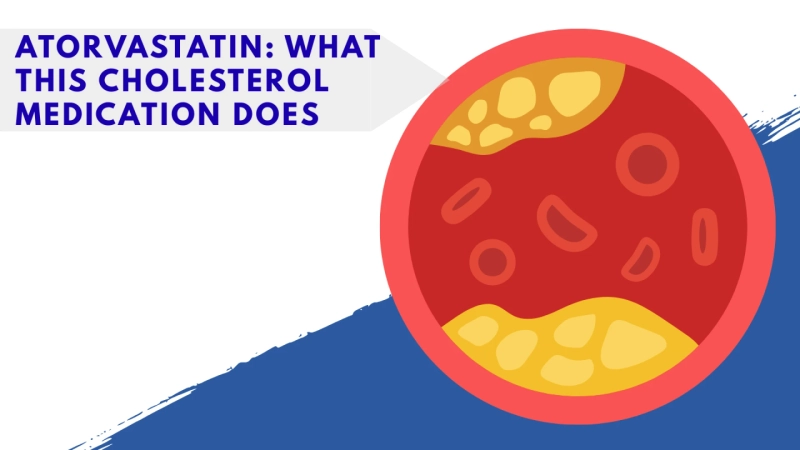
- Stabilizing Atherosclerotic Plaque: Beyond cholesterol reduction, statins have pleiotropic effects—actions independent of lipid-lowering. These include reducing inflammation within the blood vessel walls and stabilizing the atherosclerotic plaques (the fatty buildup) that have already formed. Stabilized plaques are less likely to rupture, which is the immediate cause of most heart attacks and strokes.
- High-Intensity Dosing: Following events like Acute Coronary Syndrome (a heart attack or unstable angina), high-intensity statin therapy (often 40 mg or 80 mg of Atorvastatin) is frequently initiated immediately to achieve rapid and substantial LDL reduction, offering maximum protective benefit.
Dosing and Administration Notes
Atorvastatin is typically taken once daily, and while its specific timing is flexible, adherence and consistency are key to its long-term success.
When to Take the Medication
Unlike some other statins, Atorvastatin has a long half-life, meaning it remains active in the body for an extended period.
- Any Time of Day: Atorvastatin can be taken at any time of the day, with or without food. However, patients are generally advised to take it at the same time every day to establish a consistent routine and prevent missed doses.
- Consistency is Key: The therapeutic response—the lowering of cholesterol levels—is usually evident within two to four weeks of starting the medication, but the maximum cardiovascular protection is gained over years of consistent, uninterrupted use.
The Role of Lifestyle
It is critical to understand that Atorvastatin is an adjunct to, not a replacement for, lifestyle modifications.
- Diet and Exercise: Physicians in Thailand strongly advise that patients continue with a low-cholesterol diet, regular exercise, and weight management while taking Atorvastatin. The medicine works best when combined with these healthy habits.
Safety Considerations and Warnings
While Atorvastatin is generally safe and well-tolerated, it is a potent drug with several important side effects and drug interactions that patients must be aware of.
Muscle-Related Side Effects
This is the most talked-about potential side effect of statin therapy.
- Myalgia (Muscle Pain): Mild, unexplained muscle aches, tenderness, or weakness (myalgia) are the most common side effect. While usually minor, they must be reported to a doctor, who may check blood levels for creatine kinase (CK), an enzyme released during muscle breakdown.
- Rhabdomyolysis: This is a rare, severe, and potentially fatal breakdown of muscle tissue. Symptoms include severe muscle pain, dark urine (due to muscle waste products harming the kidneys), and extreme weakness. Immediate medical attention is required. This risk is increased when Atorvastatin is taken with certain other drugs, especially some antibiotics and antifungals.
Liver Monitoring
The liver is the site of the drug's action, and monitoring is necessary to ensure its health.
- Liver Enzyme Elevation: Atorvastatin can cause elevations in liver enzymes (ALT and AST). While often transient and harmless, a physician will typically order a liver function test (LFT) before starting the medication and periodically thereafter to ensure the liver is coping well.
- Liver Disease: Atorvastatin should not be used in patients with active liver disease or unexplained persistently high liver enzyme levels.
Important Drug and Food Interactions
Patients in Thailand must be particularly aware of the potent interactions between Atorvastatin and other common substances.
- Grapefruit Juice: Large consumption of grapefruit juice (more than 1.2 liters per day) can interfere with the metabolism of Atorvastatin, causing the drug to build up to potentially dangerous levels in the blood and significantly increasing the risk of muscle toxicity. Patients should limit or avoid grapefruit and its juice.
- Alcohol: Excessive alcohol consumption (more than two standard drinks per day) can increase the risk of liver problems when combined with Atorvastatin.
Conclusion: A Lifesaving Necessity
Atorvastatin medication has revolutionized the primary and secondary prevention of heart disease and stroke, providing patients with a highly effective way to manage abnormal lipid profiles. By successfully inhibiting the liver's cholesterol production and boosting the clearance of LDL from the bloodstream, it actively works to prevent the progression of atherosclerosis. For the many individuals in Thailand deemed at risk, Atorvastatin represents a lifelong commitment that, combined with essential lifestyle changes, is not merely about achieving ideal cholesterol numbers, but about protecting the future health of their heart and brain.
FAQs
How long does it take for Atorvastatin to start lowering my cholesterol?
The therapeutic response, meaning the initial drop in your cholesterol levels, is usually evident within two weeks of starting Atorvastatin. However, the maximum reduction in cholesterol levels is typically achieved within four weeks of starting treatment or adjusting the dose.
Is it necessary to take Atorvastatin for the rest of my life?
For most patients prescribed Atorvastatin for the prevention of heart attack or stroke, it is intended to be a long-term or lifelong medication. If you stop taking it, your cholesterol levels will likely rise again, negating the cardiovascular protective benefits. Any decision to stop or change the dose must be made by your doctor based on your overall risk profile, not just your cholesterol numbers.
Should I monitor my blood sugar while taking Atorvastatin?
Yes. While the benefits of Atorvastatin in reducing cardiovascular risk far outweigh this issue, statins can cause a small increase in blood sugar levels in some individuals, slightly raising the risk of developing Type 2 Diabetes, particularly in those already predisposed. If you have diabetes or are at high risk, your doctor in Thailand may advise monitoring your blood sugar more closely when you start or adjust the dose.
What should I do if I experience muscle pain while taking Atorvastatin?
If you experience unexplained muscle pain, tenderness, or weakness, you should contact your prescribing doctor immediately. Do not stop taking the medication abruptly unless advised by your doctor. The physician will evaluate the symptoms, potentially order a blood test (CK level), and may suggest lowering your dose or switching to a different type of statin if necessary.