



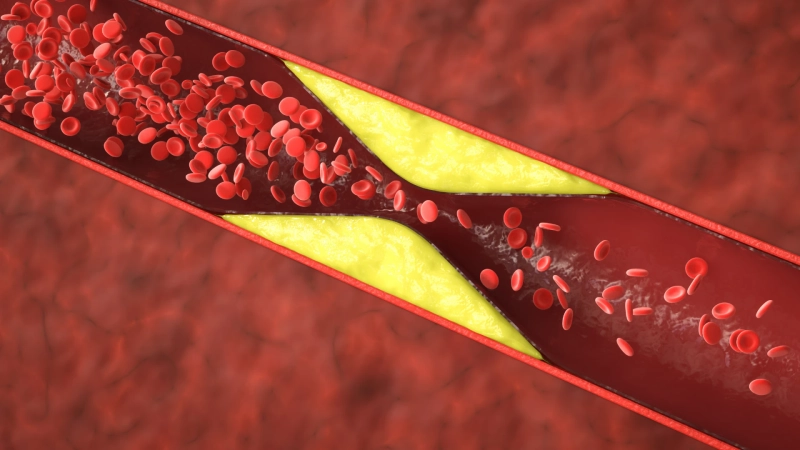
Heart disease remains one of the leading causes of death worldwide, and one of its root contributors is something many people have heard of but don’t fully understand—arterial plaque. Over time, this build-up can clog arteries, restrict blood flow, and lead to serious cardiovascular problems. Understandably, many people wonder: Is arterial plaque reversal actually possible? Can you “unclog” your arteries naturally?
The short answer is: partially. While complete reversal of hardened, calcified plaque is unlikely without medical procedures, many studies and clinical approaches show that it’s possible to slow, stop, and in some cases, regress the buildup with the right lifestyle changes and medical guidance.
Let’s explore what arterial plaque is, how it develops, and what you can realistically do to support your cardiovascular health naturally.
What Is Arterial Plaque?
Arterial plaque is made up of cholesterol, fatty substances, cellular waste, calcium, and fibrin (a clotting material in the blood). When this material builds up along the walls of your arteries, it causes a condition known as atherosclerosis.
Over time, this build-up narrows the arteries and makes them less flexible—something often referred to as "hardening of the arteries." When plaque ruptures, it can trigger blood clots, which can lead to heart attacks or strokes.
Is Arterial Plaque Reversible?
It depends on the type and stage of the plaque:
- Soft plaque (newer buildup) may be reduced with aggressive lifestyle changes and certain medications.
- Calcified plaque (older, hardened deposits) is much harder to remove and often needs clinical monitoring rather than natural approaches.
In either case, while full reversal may not always be realistic, the progression of plaque can often be stopped—or at least slowed—by improving lifestyle factors.
Natural Ways to Support Arterial Health
Here are evidence-based strategies shown to help reduce the risk of further plaque buildup and, in some cases, reduce soft plaque.
1. Adopt a Heart-Healthy Diet
Focus on whole, unprocessed foods that are rich in antioxidants and low in saturated fats.
- Foods to prioritize:
- Leafy greens, berries, avocados, nuts, olive oil
- Oily fish rich in omega-3s (like salmon and sardines)
- Whole grains such as oats, quinoa, and barley
- Foods to limit or avoid:
- Trans fats and hydrogenated oils
- Processed meats and refined carbs
- Sugary beverages and excess sodium
A Mediterranean-style diet is often recommended for improving cardiovascular health.
2. Exercise Regularly
Regular physical activity helps improve circulation, reduce LDL ("bad") cholesterol, and boost HDL ("good") cholesterol.
- Goal: At least 150 minutes of moderate-intensity exercise (like brisk walking or cycling) per week
- Add resistance training 2–3 times per week for even better benefits
3. Quit Smoking
Smoking is a major contributor to atherosclerosis. Quitting helps prevent further damage and allows arteries to begin healing.
4. Manage Stress
Chronic stress contributes to inflammation and high blood pressure, both of which worsen arterial health. Consider:
- Meditation or mindfulness practices
- Deep breathing exercises
- Journaling or counseling
5. Maintain Healthy Blood Pressure and Blood Sugar
High blood pressure and diabetes can damage arteries and accelerate plaque buildup. Keeping these numbers in check is critical.
- Monitor your levels regularly
- Follow any prescribed treatment plans
- Combine medication with healthy lifestyle habits for optimal results
6. Get Regular Testing
Some clinics offer advanced screenings like CIMT (Carotid Intima-Media Thickness) testing or calcium score tests to assess early signs of atherosclerosis. These tools can help track plaque progression and guide interventions early.
Supplements and Nutrients That May Help
Some natural supplements have shown potential benefits for heart and arterial health, though results vary and should always be discussed with a healthcare provider:
- Omega-3 fatty acids: May reduce inflammation and slow plaque buildup
- Niacin (Vitamin B3): Can improve cholesterol levels in some individuals
- CoQ10: Supports heart function and energy production in cells
- Vitamin K2: Some evidence suggests it may help keep calcium out of arteries and in bones where it belongs
Important: Always consult a physician before beginning any new supplement regimen, especially if you’re on medications.
When to Consider Medical Intervention
If you already have significant arterial blockage, lifestyle changes alone may not be enough. In more advanced cases, treatments may include:
- Prescription cholesterol-lowering medications (e.g., statins)
- Blood pressure or blood sugar management drugs
- Angioplasty or stents to open narrowed arteries
- Surgical interventions in severe cases
These treatments can be lifesaving and are often used in conjunction with lifestyle changes—not as a replacement for them.
Final Thoughts
While completely reversing hardened arterial plaque may not be realistic for everyone, it’s absolutely possible to slow its progression, reduce your risk of complications, and improve overall cardiovascular health with the right habits.
Arterial plaque reversal, in a natural context, is really about creating an internal environment that discourages further buildup—and maybe even encourages slight regression in early stages. By adopting a balanced diet, staying active, managing stress, and getting proper testing, you can take powerful steps toward protecting your heart for the long haul.
Your arteries may not need to be perfect—they just need you to take care of them consistently.