



Feeling stiff after a workout? Or maybe your muscles feel sore even when you haven’t done much. If that sounds familiar, you’re not alone. Many people deal with tight muscles, and sometimes stretching just isn’t enough. That’s where magnesium for muscles could come in.
Let’s break it down and see how this simple mineral might help your body feel better.
What Does Magnesium Do in Your Body?
Magnesium is a mineral your body really needs. It helps with many things, like keeping your bones strong and your heart steady. But one of its most important jobs is helping your muscles work the right way.
When your muscles tighten up or cramp, it can be because your body doesn't have enough magnesium. Without enough of it, your muscles can’t relax like they should. This can leave you feeling tense, sore, or even in pain.
Why Are Your Muscles So Tight?
There are a few reasons your muscles might be feeling tight all the time:
- Too much sitting: Sitting for long hours at school or work can make your muscles stiff.
- Not stretching: Skipping warm-ups or cool-downs can lead to tightness.
- Working out a lot: Exercising is great, but overdoing it without proper recovery can cause soreness.
- Not getting enough nutrients: If your body doesn’t have enough magnesium, potassium, or water, your muscles may not feel their best.
Muscle tightness isn’t always a big deal, but if it sticks around, it’s worth looking into.
Signs You Might Need More Magnesium
Sometimes it’s hard to tell what your body needs. But here are a few signs that could mean you’re low on magnesium:
- Muscle cramps or twitching
- Feeling tired all the time
- Trouble sleeping
- Headaches
- Feeling stressed or anxious
If any of these sound like you, it might be time to think about how much magnesium you're getting.
How to Get More Magnesium
The good news is that getting more magnesium isn’t hard. You can find it in lots of everyday foods:
- Leafy greens like spinach and kale
- Nuts and seeds, especially almonds, pumpkin seeds, and cashews
- Whole grains like brown rice and oats
- Bananas and avocados
- Dark chocolate (yes, really!)
If you’re not getting enough from food, some people take magnesium supplements. But it’s always smart to talk to a doctor before starting any new supplement.
When Magnesium Really Helps
People often turn to magnesium when they’re dealing with sore muscles after a tough day. It can help with things like:
- Post-workout soreness
- Cramps at night
- Muscle tightness from stress
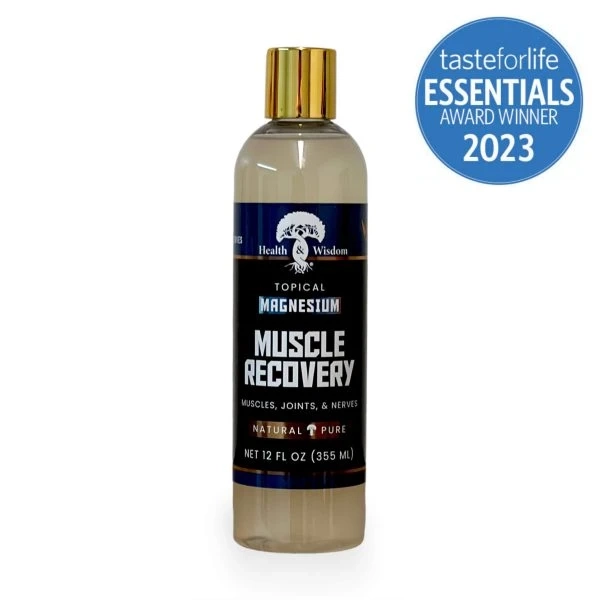
Some people also use magnesium oil or magnesium bath salts to help relax their muscles. These go on your skin and might help you feel better faster.
A Quick Tip on Stress and Muscles
Your brain and body are connected. So when you're feeling stressed, your muscles often tighten up without you even realizing it. Magnesium may help calm your nervous system and relax your body at the same time. That’s why some people say it helps them feel less tense overall.
So, Should You Try Magnesium?
If your muscles are always tight, sore, or cramping, magnesium could be something to think about. It’s not a magic fix, but it might make a real difference when paired with stretching, staying active, and eating well.
At the end of the day, your body just wants to feel good. And giving it what it needs like enough rest, good food, and a little help from minerals can go a long way.
Magnesium for muscles isn’t just about feeling less sore. It’s about helping your body do what it’s meant to do.
Keep Moving and Stay Balanced
Magnesium is just one part of the picture. Staying active, drinking water, and stretching every day can help your muscles feel their best. Think of it like a team effort, your muscles, brain, and the food you eat all work together. Give your body what it needs, and it will help you feel stronger, calmer, and ready for anything.
The Bottom Line: Muscle Relief the Easy Way!
If you’re looking for a simple way to ease tightness and feel better, magnesium might be a good place to start. Try adding a few magnesium-rich foods to your meals, or think about supplements if needed.
And if you’re aiming to feel more relaxed and less stiff, keep in mind that magnesium for muscle relaxation could be the gentle push your body needs.
Just remember: taking care of your muscles doesn’t have to be hard. Sometimes, the answer is already in your kitchen!