


Many homeowners only think about their drains when something goes wrong, often during a heavy downpour. By then, the damage has already started. Flooded gardens, soggy lawns, and water creeping towards foundations are all common outcomes of blocked stormwater drains.
Stormwater drainage systems are designed to protect your property, but when they become clogged, they can cause major disruptions and costly repairs. In this blog, we’ll explore the hidden risks, common causes, and practical solutions for keeping your drains clear and your property safe.
What Role Do Stormwater Drains Play?
Stormwater drains are essential infrastructure around any home or business. Their job is to direct rainwater away from your property and into the council drainage network. Without them, heavy rainfall would pool around your building, leading to flooding, erosion, and long-term structural problems.
When blocked stormwater drains stop functioning, water has nowhere to go. This leads to overflow, flooding, and even damage inside your home. They may seem like simple pipes, but their role in protecting your property cannot be overstated.
Why Do Stormwater Drains Get Blocked?
There are many reasons why these drains become clogged. Understanding the causes can help you prevent issues before they escalate.
Natural Debris
Falling leaves, branches, and garden waste are the most common culprits. These materials collect in gutters and drains, reducing water flow.
Soil and Sediment
Rainwater often carries loose soil into drains. Over time, sediment builds up and creates stubborn blockages that standard cleaning can’t shift.
Tree Root Invasion
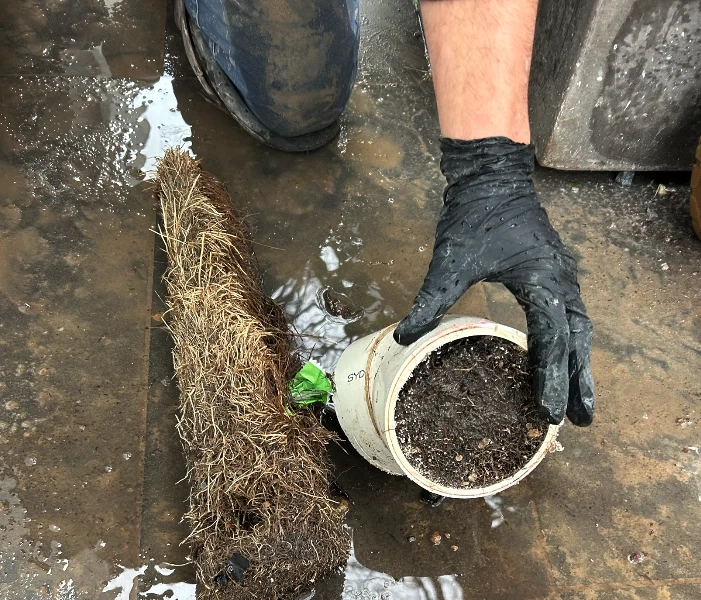
Roots are naturally attracted to moisture and can infiltrate pipes through cracks. Once inside, they grow quickly and create solid blockages.
Incorrect Installations
Pipes installed without proper slope or alignment can trap water and debris, making them prone to recurring clogs.
Human Error
Sometimes, people sweep rubbish, grass clippings, or even construction waste into outdoor drains, leading to severe blockages.
How Can You Spot a Stormwater Problem Early?
Many signs indicate trouble before a complete blockage occurs. Recognising them early can save you thousands in repair costs.
- Pools of water lingering in the yard after rainfall
- Overflowing gutters despite regular cleaning
- Slow-draining grates that take longer than usual to clear rainwater
- Strange gurgling noises from pipes during storms
- Musty smells caused by stagnant water trapped underground
Any of these symptoms may signal blocked stormwater drains that need immediate professional inspection.
What Happens If You Ignore Blocked Drains?
Some homeowners put off repairs, hoping the problem will resolve on its own. Unfortunately, stormwater issues rarely disappear without intervention. Ignoring them can lead to:
- Flooding of outdoor spaces, driveways, and garages
- Damage to home foundations from persistent water exposure
- Growth of mould and bacteria in damp areas
- Soil erosion around gardens and retaining walls
- Massive repair costs when blockages worsen into pipe collapses
By delaying action, you risk turning a simple fix into a major plumbing project.
How Do You Fix Blocked Stormwater Drains?
The right solution depends on the type and severity of the blockage.
DIY Maintenance Tips
- Regularly clean gutters and downpipes.
- Install drain grates to stop large debris from entering.
- Use a garden hose to flush minor blockages.
Professional Solutions
For more serious problems, plumbers use specialised tools:
- CCTV Drain Cameras to inspect the interior of pipes.
- Hydro Jet Blasters to cut through tree roots and heavy debris.
- Pipe Relining to repair cracked or damaged pipes without digging up your yard.
Hiring a licensed plumber ensures the issue is properly diagnosed and fixed the first time.
How Can You Prevent Future Blockages?
Prevention is the best way to avoid recurring headaches. A few simple steps can make a big difference:
- Install gutter guards to stop leaves entering drains.
- Schedule annual drain inspections before storm season.
- Keep outdoor areas clean so rubbish doesn’t get swept into grates.
- Monitor nearby trees and remove invasive roots if necessary.
- Ensure correct drainage design when renovating or landscaping.
By being proactive, you can reduce the risk of blocked stormwater drains and keep your property safe year-round.
Why Professional Help Matters
While DIY maintenance is helpful, many blockages require advanced equipment and expertise. Professional plumbers don’t just clear the immediate clog — they identify underlying issues that could cause future problems.
Whether it’s tree root intrusion, collapsed pipes, or poor installation, experts can provide lasting solutions that protect your home in the long run. Considering the potential damage water can cause, professional intervention is often the smartest investment.
Final Thoughts
Blocked drains aren’t just an inconvenience — they pose a real threat to your property’s safety and value. By paying attention to warning signs, acting quickly, and investing in preventive care, you can avoid the stress of unexpected flooding and costly repairs.
If you suspect your property has blocked stormwater drains, don’t wait for the next heavy downpour. Taking action today ensures your home remains safe, dry, and protected for years to come.