



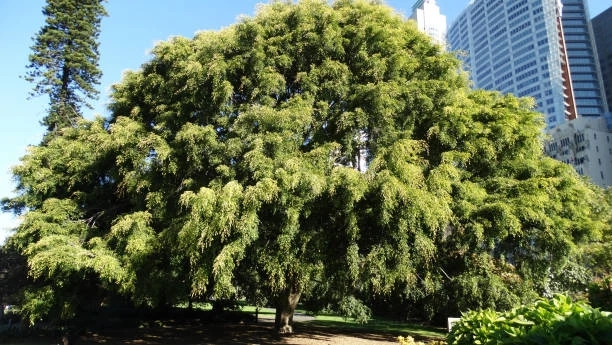
Weeping elm trees (Ulmus spp.) are celebrated for their graceful, cascading branches and striking presence in gardens, parks, and streetscapes. Their elegant, pendulous form brings a touch of sophistication to both formal and naturalistic landscapes. But for gardeners and landscapers in Australia, a common question arises: Are weeping elm trees drought-tolerant? Understanding their water needs, growth habits, and maintenance requirements is essential for ensuring these trees thrive in Australia’s often challenging climate.
Understanding the Weeping Elm
Weeping elms are a variety of elm known for their distinctive arching branches that sweep toward the ground. Typically deciduous, they offer seasonal interest with vibrant green foliage in spring and summer, often transitioning to rich yellows and oranges in autumn.
Key features of weeping elm trees:
- Height: 8–15 meters (can vary by cultivar)
- Spread: 6–12 meters
- Growth rate: Moderate to fast under ideal conditions
- Soil preference: Well-draining, fertile soils
- Light: Full sun to partial shade
These characteristics make them ideal for creating focal points, shaded garden areas, and avenues in larger landscapes.
Are Weeping Elm Trees Drought-Tolerant?
The short answer: weeping elm trees are moderately drought-tolerant but not completely drought-resistant. Their adaptability depends on age, soil type, and environmental conditions.
1. Young Trees Are More Vulnerable
Newly planted weeping elms require regular watering to establish strong root systems. During the first 2–3 years, inconsistent moisture or prolonged drought can stress young trees, leading to stunted growth, leaf drop, or susceptibility to pests and diseases.
2. Mature Trees Handle Dry Spells Better
Once established, mature weeping elms develop deeper root systems that allow them to access subsoil moisture. They can tolerate occasional dry periods, especially in climates with mild to moderate rainfall. However, extended drought conditions—common in parts of Australia—can still cause leaf scorching, reduced canopy density, and reduced overall health.
3. Soil and Drainage Matter
Weeping elms prefer well-draining soil. Poorly drained, compacted, or clay-heavy soils can exacerbate drought stress by limiting root access to moisture and causing waterlogging during wet periods. Amending soil with organic matter improves water retention while maintaining drainage.
Caring for Weeping Elm Trees in Australian Conditions
Maintaining a healthy weeping elm in Australia requires balancing water, soil management, and environmental considerations. Here are some practical care tips:
1. Watering Tips
- Young Trees: Water deeply 1–2 times per week during dry periods. Ensure the water penetrates the root zone rather than just wetting the surface.
- Mature Trees: Water during prolonged dry spells, focusing on deep soaking rather than frequent shallow watering. Drip irrigation or soaker hoses are ideal.
- Mulching: Apply a 5–10 cm layer of organic mulch around the base (but not touching the trunk) to conserve moisture, suppress weeds, and regulate soil temperature.
2. Soil Preparation and Fertilisation
- Soil Amendment: Mix compost or well-rotted organic matter into the soil during planting. This improves fertility, moisture retention, and root development.
- Fertilisation: Apply a slow-release, balanced fertiliser in early spring to promote healthy growth. Avoid over-fertilising, which can encourage excessive leaf growth and reduce drought resilience.
3. Pruning and Maintenance
- Formative Pruning: Prune young trees to establish strong central leaders and remove weak or crossing branches.
- Maintenance Pruning: For mature trees, prune to maintain canopy shape, remove dead wood, and improve airflow. Avoid heavy pruning during extreme drought, as it can further stress the tree.
4. Pest and Disease Management
Weeping elms can be susceptible to pests such as aphids, leaf beetles, and elm bark beetles, as well as fungal diseases like Dutch elm disease. Drought-stressed trees are more vulnerable, so maintaining consistent watering and good cultural practices is essential. Monitor regularly and address infestations early with appropriate treatments.
5. Location Selection
- Plant weeping elms in a sunny or partially shaded location.
- Avoid areas prone to waterlogging or high wind exposure, as this can increase stress and reduce longevity.
- Allow adequate space for the canopy to expand, as crowding increases competition for water and nutrients.
Enhancing Drought Tolerance
While weeping elms are not as drought-hardy as some native Australian species, there are strategies to enhance their resilience:
- Deep Rooting: Encourage deep root growth by watering slowly and deeply, rather than frequent shallow watering.
- Mulch and Ground Cover: Use mulch and companion ground cover plants to reduce soil evaporation and maintain cooler root temperatures.
- Choose the Right Cultivar: Some elm cultivars are more adaptable to dry conditions. Research local options suitable for your region.
- Monitor Soil Moisture: Use soil moisture meters or simple manual checks to avoid over- or under-watering.
Weeping Elm Trees in Australian Landscapes
Weeping elms offer aesthetic and functional value in Australian gardens and public spaces. Their sweeping branches provide:
- Shade in residential gardens
- Natural screens or privacy barriers
- Visual interest along driveways, parks, and streetscapes
- Seasonal colour variation and habitat for birds
With proper care, weeping elm trees can thrive in most Australian climates, though additional attention is needed in drought-prone areas, such as parts of Queensland, New South Wales, South Australia, and Western Australia.
Common Challenges in Australian Conditions
Australian gardeners should be aware of potential challenges:
- Extended Drought: Can cause leaf scorch, premature leaf drop, and reduced growth.
- High Heat: Direct exposure to intense summer sun may stress shallow-rooted young trees.
- Soil Compaction: Heavy clay soils restrict root growth and water penetration.
- Pests and Diseases: Weakened trees are more susceptible to infestations.
Addressing these challenges requires proactive watering, soil management, and monitoring. Early intervention can save stressed trees and maintain their ornamental value.
Conclusion
Weeping elm trees are a striking addition to any Australian garden or public space, offering shade, seasonal colour, and elegant form. While they are moderately drought-tolerant once established, success depends on thoughtful care, particularly in Australia’s varied and often harsh climate. By understanding their water needs, improving soil conditions, applying mulch, and monitoring tree health, gardeners can enjoy the beauty of weeping elms for decades.
For Australians looking to combine aesthetics with resilience, proper planting, watering, and maintenance are key. With a little effort, your weeping elm can become a thriving, long-lived feature that withstands the challenges of drought while enriching your landscape.