



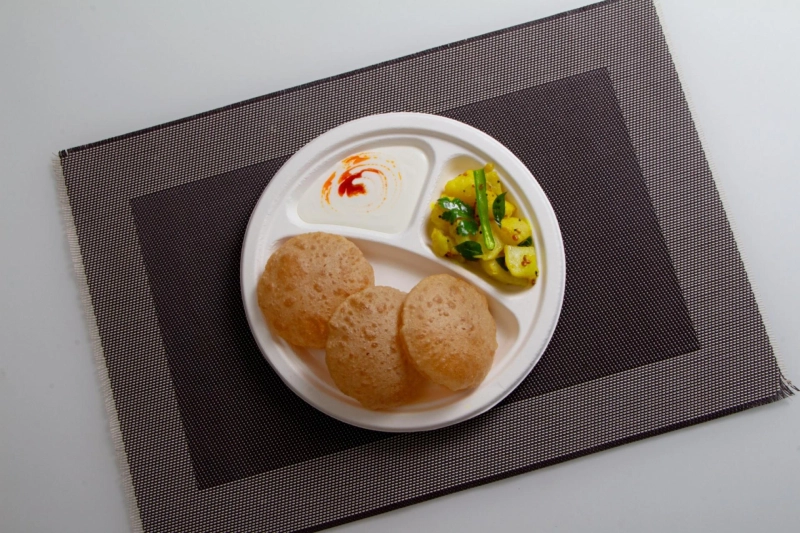
Plastic bans, climate awareness, and growing eco-consciousness are transforming India’s food packaging industry. Across canteens, restaurants, and event venues, one product has emerged as a game changer — Bagasse Sugarcane Plates. Made from the fibrous residue left after sugarcane juice extraction, these plates represent more than just an eco-friendly alternative — they symbolize the beginning of a new, sustainable era for food service businesses.
But can they really redefine India’s food packaging future? Let’s explore the truth behind their growing popularity.
The Shift Toward Sustainable Packaging
India’s food packaging sector is evolving rapidly, driven by stricter environmental regulations and rising consumer awareness. Since the ban on single-use plastics in 2022, there has been a strong demand for eco-friendly and biodegradable tableware products. A report by the Indian Institute of Packaging (IIP) highlights that urban demand for sustainable alternatives has grown by more than 30% annually. Restaurants, caterers, and even major food delivery brands are adapting to meet this shift, viewing sustainability not just as compliance, but as a mark of credibility and modern branding.
Sustainability today is part of customer experience. Consumers are increasingly conscious of what their food is served in — they associate eco-friendly practices with quality and responsibility.
What Makes Bagasse Sugarcane Plates Different
Unlike paper plates that require cutting down trees or plastic ones that persist in the environment for centuries, bagasse sugarcane plates are made from agricultural waste — the dry, pulpy residue left after extracting juice from sugarcane. This repurposing of an otherwise discarded by-product turns waste into a valuable, renewable material.
Bagasse plates are not only eco-conscious but also extremely functional. They can withstand temperatures of up to 100°C, resist oil and moisture, and maintain their shape even with heavy or greasy Indian dishes. They are microwave- and freezer-safe, making them perfect for catering services, restaurants, and takeout operations. What truly sets them apart is their ability to combine environmental sustainability with everyday practicality — something that few other disposable materials can offer.
The Rise of Biodegradable Tableware in India
Across India’s hospitality sector, biodegradable tableware products like bagasse plates, bowls, and lunch trays are quickly replacing single-use plastics. Restaurants and caterers are adopting them for large-scale events, weddings, and daily service to align with India’s environmental goals such as Swachh Bharat and Net Zero initiatives.
Municipal bodies in several states have started encouraging the use of biodegradable materials for bulk purchases. At the same time, consumers are becoming more aware of their ecological footprint and actively support brands that adopt greener alternatives. Together, these forces are fueling a strong and irreversible shift toward sustainable packaging.
Why Bagasse Works Perfectly for Indian Food
Few cuisines test packaging as much as Indian food. Rich curries, spicy gravies, oily snacks, and hot servings require plates that can handle both temperature and texture. Bagasse performs remarkably well under these conditions. Whether it’s dal, paneer, biryani, or puris, these plates hold their form without leaking or softening.
For caterers, the multi-compartment versions of bagasse disposable plates make meal organization easy and appealing. Each dish stays separate and visually inviting — ideal for thalis or combo meals. Guests also appreciate the sturdy, clean look of these plates, which enhance presentation while offering a hygienic, single-use option.
The Business Benefits of Switching to Bagasse
From a business perspective, adopting bagasse sugarcane plates offers both environmental and commercial advantages. First, it strengthens a brand’s eco-conscious image — a powerful differentiator in a market where consumers value responsible choices. It also ensures compliance with tightening plastic regulations, reducing the risk of penalties or sudden disruptions.
In addition, bagasse tableware elevates the dining experience. Customers often notice the quality of what their food is served in, and switching to sustainable plates subtly communicates care, hygiene, and professionalism. Many manufacturers now offer bulk customization, allowing brands to print their logos or messages, combining sustainability with personalization.
While the initial cost might be slightly higher than conventional plastic, the long-term payoff in branding, customer trust, and compliance makes it a smart investment for food businesses.
The Future of India’s Food Packaging Industry
India generates millions of tonnes of plastic waste every year, a significant portion of which comes from the food sector. Transitioning to renewable materials like bagasse is not just an option — it’s a necessity for the country’s sustainable future.
As one of the world’s largest producers of sugarcane, India has the resources to support this shift at scale. With innovation and wider adoption, bagasse packaging is expected to expand beyond plates into takeaway boxes, cups, and cutlery. The future of India’s food packaging industry lies in materials that are biodegradable, compostable, and locally sourced — and bagasse checks every box.
The journey toward sustainable dining doesn’t happen overnight, but it starts with simple choices. Choosing bagasse sugarcane plates helps food businesses reduce waste, enhance their image, and contribute to a cleaner, greener India. Small steps today can create a lasting impact — one plate at a time.