



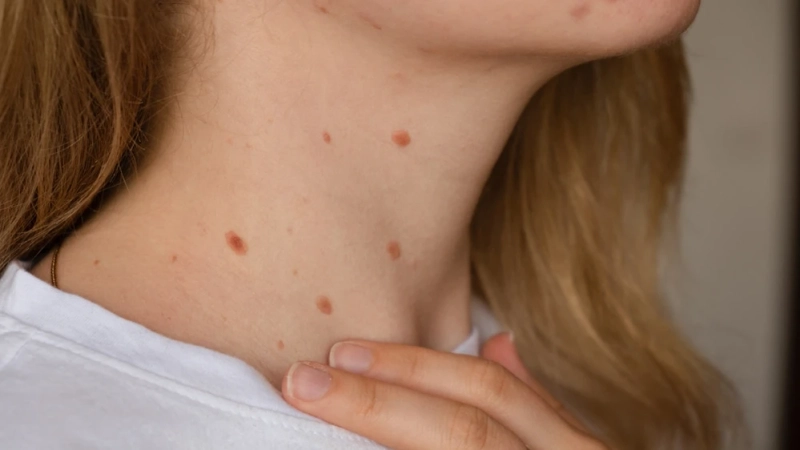
Skin tags are small, soft, benign growths that often appear on areas of the body prone to friction, such as the neck, armpits, and groin. While they are generally harmless, many people wonder: Are Skin Tags Contagious? This question is common because the appearance of multiple skin tags can be alarming, especially when you see them on family members or close contacts. In this article, we will explore what skin tags are, what causes them, and whether you can spread them to others.
What Are Skin Tags?
Skin tags, medically known as acrochordons, are small, flesh-colored growths that hang from the skin. They are typically painless and can vary in size from a few millimeters to over a centimeter. Most skin tags occur in areas where the skin folds or rubs against clothing, jewelry, or other skin surfaces.
Though often considered a cosmetic concern, they are generally not a sign of a serious medical condition. Skin tags are more common in adults over 40, those who are overweight, and people with certain health conditions such as diabetes. Understanding what skin tags are is essential in answering the question: Are Skin Tags Contagious?
Common Causes of Skin Tags
The exact cause of skin tags is not fully understood, but several factors may contribute to their development:
- Friction: Skin tags often appear in areas where skin rubs against skin or clothing.
- Genetics: Family history can make you more prone to developing skin tags.
- Hormonal Changes: Conditions such as pregnancy can increase skin tag formation.
- Obesity and Insulin Resistance: People with obesity or metabolic syndrome are more likely to develop skin tags.
While these factors may explain why skin tags form, they do not suggest that the growths are contagious.
Are Skin Tags Contagious? Debunking the Myth
A frequent question among people with skin tags is whether they can spread them to others. The answer is clear: Skin tags are not contagious. They are not caused by bacteria, viruses, or any infectious agent. Unlike warts, which are caused by the human papillomavirus (HPV), skin tags are purely a benign overgrowth of skin cells and connective tissue.
This means that you cannot “catch” skin tags from touching someone who has them, sharing clothing, or using the same towels. The misconception that skin tags are contagious often arises because they can appear in multiple people in the same family, but this is usually due to shared genetics and lifestyle factors rather than infection.
Risk Factors That Increase Skin Tag Formation
Even though skin tags are not contagious, certain risk factors make some individuals more prone to developing them:
- Age: Skin tags are more prevalent in middle-aged and older adults.
- Obesity: Extra skin folds provide an environment where friction can encourage skin tag formation.
- Medical Conditions: Conditions such as diabetes and metabolic syndrome can increase the likelihood of skin tags.
- Hormonal Changes: Pregnant women often develop skin tags due to hormonal fluctuations.
For those focused on health and wellness, managing these risk factors through a balanced diet, exercise, and regular check-ups may help reduce skin tag formation.
How to Identify Skin Tags vs Other Skin Growths
It is important to distinguish skin tags from other skin growths, some of which may require medical attention. Characteristics of skin tags include:
- Small, soft, flesh-colored or slightly darker growths
- Usually painless unless irritated by clothing or jewelry
- Can appear singly or in clusters
- Often have a thin stalk attaching them to the skin
If you notice growths that change color, bleed, or become painful, it is crucial to consult a dermatologist, as these may not be skin tags and could indicate other skin conditions.
Treatment Options for Skin Tags
While skin tags are harmless, some people may choose to remove them for cosmetic reasons or because they cause discomfort. Common treatment options include:
- Cryotherapy: Freezing the skin tag off using liquid nitrogen.
- Excision: Cutting the skin tag off using sterile tools.
- Ligation: Tying off the base of the skin tag to cut off blood supply, causing it to fall off.
- Over-the-counter solutions: Available but should be used with caution and proper guidance.
It is important not to attempt removal at home using unsterilized tools, as this can lead to infection.
Preventing Skin Tags: What You Can Do
Even though skin tags are not contagious, there are steps you can take to minimize their formation:
- Maintain a healthy weight to reduce friction on the skin
- Wear loose-fitting clothing to prevent irritation
- Keep skin folds clean and dry
- Regularly monitor areas prone to growths for early signs
While prevention may not always be possible, these steps can help reduce the number of skin tags and keep your skin healthy.
When to See a Dermatologist
Most skin tags do not require medical treatment. However, you should consult a dermatologist if:
- The growth changes in color, size, or shape
- It becomes painful or bleeds
- You are unsure whether a growth is a skin tag or something more serious
Dermatologists can safely remove skin tags and provide guidance on reducing recurrence. Understanding the nature of skin tags can ease concerns about spreading them to others and support your overall skin health.
Conclusion
In summary, the answer to the question Are Skin Tags Contagious is a definitive no. Skin tags are benign skin growths caused by friction, genetics, and other factors but are not infectious. They cannot be spread through touch, sharing clothing, or other forms of contact.
While generally harmless, skin tags can be removed for cosmetic or comfort reasons. For those focused on health and wellness, maintaining a balanced lifestyle may reduce their occurrence. By understanding what skin tags are and how they form, you can manage them confidently without worrying about passing them to others.