



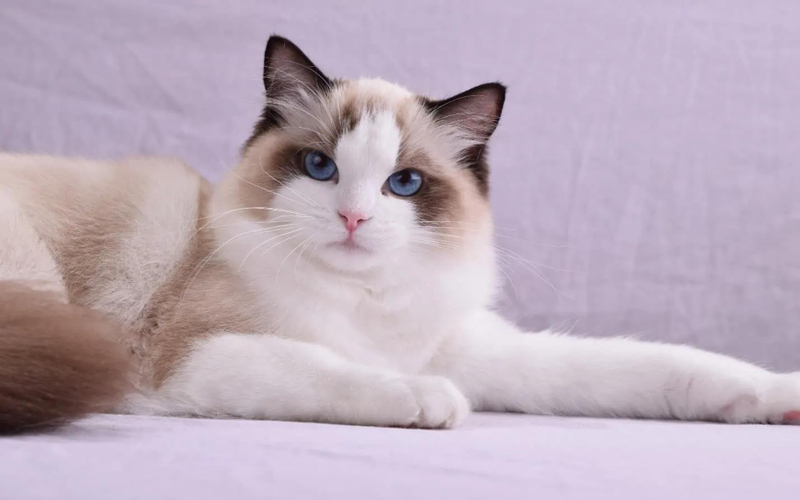
Ragdoll cats are one of the most loved cat breeds in the world. Their blue eyes, soft coats, and gentle personalities make them popular in many homes. But for families with allergies, one question comes up often: Are Ragdoll Cats Hypoallergenic?
The short answer is no. Ragdoll cats are not truly hypoallergenic, but some people may still find them easier to live with than other breeds. Let’s look at why, what allergens they carry, and how you can manage cat allergies while enjoying life with a Ragdoll.
What Does “Hypoallergenic” Mean in Cats?
When people say a cat is hypoallergenic, they mean the cat is less likely to trigger allergic reactions. No cat breed is 100% allergy-free, but some produce fewer allergens than others.
The main allergen in cats is a protein called Fel d 1. It is found in a cat’s saliva, skin, and dander. When cats groom themselves, the protein spreads onto their fur. From there, it can get into the air, onto furniture, and cause allergic reactions in sensitive people.
Are Ragdoll Cats Hypoallergenic?
Despite their silky coats and lower shedding compared to some breeds, Ragdolls are not hypoallergenic. They still produce Fel d 1 just like any other cat.
Many people believe Ragdolls might be safer for allergy sufferers because:
- They lack a dense undercoat, so they shed less.
- Their calm nature may mean less frantic grooming and less dander spread.
While these traits may reduce allergen exposure, they do not remove it completely. If you or someone in your family has moderate to severe cat allergies, a Ragdoll may still trigger symptoms.
Allergy Symptoms to Watch For
If you live with a Ragdoll and have cat allergies, you might notice:
- Sneezing or a runny nose
- Congestion or wheezing
- Red, watery, or itchy eyes
- Skin rashes after touching the cat
- Tiredness from constant allergy symptoms
These signs can range from mild to severe depending on how sensitive you are.
Tips for Living With a Ragdoll if You Have Allergies
Even though Ragdoll cats are not hypoallergenic, many people with mild allergies still manage to keep them as pets. Here are some helpful ways to reduce allergens at home:
1. Groom Regularly
Brush your Ragdoll a few times a week to remove loose fur and dander. This helps control allergens before they spread around the house.
2. Keep a Clean Home
Vacuum often, especially carpets and furniture. Use a vacuum with a HEPA filter to trap tiny allergen particles. Wash bedding, curtains, and your cat’s favorite blankets regularly.
3. Create Cat-Free Zones
Keep your Ragdoll out of bedrooms or other areas where you need allergen-free air. Having at least one safe zone helps allergy sufferers breathe easier.
4. Use Air Purifiers
A good HEPA air purifier reduces allergens in the air and makes daily life more comfortable. Place one in rooms where your cat spends the most time.
5. Consider Special Cat Food
Some cat foods are made to reduce Fel d 1 in saliva. Talk to your vet about whether this option is safe and helpful for your Ragdoll.
6. Wash Hands Often
After petting or playing with your cat, wash your hands. Avoid touching your face or eyes before cleaning up.
Should Allergy Sufferers Get a Ragdoll?
If your allergies are mild, you may be able to enjoy life with a Ragdoll using the tips above. Many owners with light sensitivities report fewer problems with this breed compared to others.
However, if you or someone in your household has asthma or severe cat allergies, a Ragdoll is not the best choice. The allergens can still cause health issues even with careful cleaning and management.
Cat Breeds Sometimes Considered More Allergy-Friendly
While no cat is fully hypoallergenic, some breeds are known to produce lower levels of Fel d 1. People with allergies sometimes do better with breeds like:
- Siberian
- Balinese
- Russian Blue
If your goal is to find a cat with the lowest chance of triggering allergies, these breeds may be worth exploring before choosing a Ragdoll.
Final Thoughts
So, are Ragdoll Cats hypoallergenic? The truth is no—they produce allergens like any other breed. Their lower shedding coat may make them easier for some allergy sufferers, but they are not a safe option for people with severe allergies.
If you love Ragdolls and only have mild symptoms, you may still be able to share your home with one by following good cleaning habits, grooming often, and setting up cat-free spaces.
At Focus Pet Care, we believe in helping families choose pets that match their lifestyle. If you are considering bringing a Ragdoll into your home, make sure to spend time with one first and see how your body reacts. That way, you can enjoy the gentle love of a Ragdoll cat without unexpected surprises.