



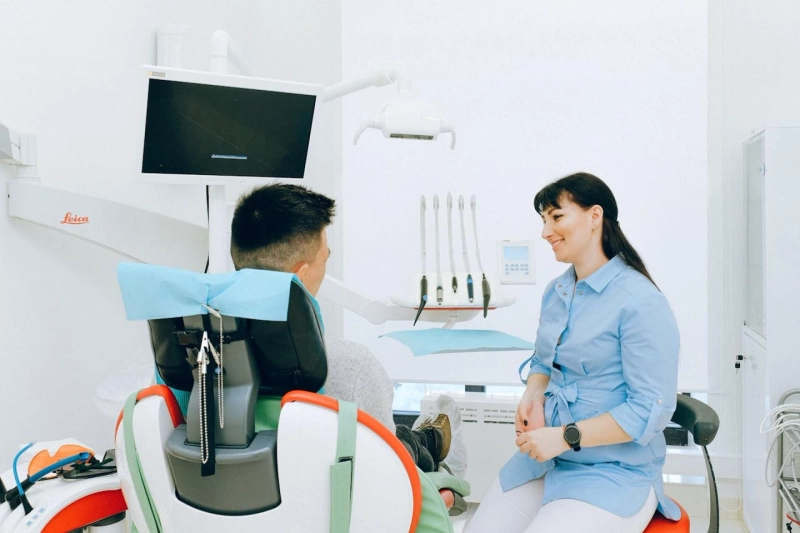
Many people question whether porcelain dental crowns are really worth the cost or just another pricey dental trend. When teeth become weak, damaged, or discolored, it’s natural to want a strong yet natural-looking fix. Porcelain crowns offer that balance, combining durability, comfort, and beauty. They restore confidence and function while protecting your smile for years. Before deciding, it’s important to understand their real benefits, costs, and lifespan, this guide will help you make an informed choice.
Understanding What Makes Porcelain Crowns Unique
Porcelain crowns are tooth-shaped caps that completely cover a damaged or decayed tooth. Made from high-quality ceramic materials, these crowns mimic the color and texture of natural teeth, giving you a seamless smile. They are commonly used to restore teeth after root canals, large fillings, or fractures, and they offer both strength and aesthetic appeal.
What sets porcelain dentist crowns apart from other materials, such as metal or resin, is their lifelike appearance. They reflect light like real enamel, making them ideal for visible front teeth. Furthermore, they are biocompatible, meaning they rarely cause allergic reactions or gum irritation, which adds to their popularity among patients and dentists alike.
Key advantages of porcelain dental crowns include:
- Natural, tooth-like appearance
- Stain resistance and long-lasting shine
- Comfortable fit that supports normal chewing
- Safe for people with metal allergies
- Durable performance with proper dental care
How Porcelain Dental Crowns Improve Dental Health and Confidence
When your teeth are chipped or cracked, it’s more than just a cosmetic issue; it can affect your overall oral health. Porcelain dental crowns help protect and strengthen weakened teeth, preventing further decay or breakage. They act as a shield, restoring function while maintaining your natural bite and smile.
Beyond health benefits, porcelain crowns also boost confidence. A bright, symmetrical smile can change how you feel about yourself and how others perceive you. Whether for work, social life, or personal satisfaction, these crowns provide a subtle yet powerful transformation that lasts for years.
Reasons patients choose porcelain dentist crowns:
- To repair broken or worn teeth
- To cover dental implants or large fillings
- To improve smile symmetry and color
- To prevent further tooth damage
Comparing Porcelain Dental Crowns to Other Dental Options
When deciding between different restoration materials, it’s important to weigh the pros and cons. While metal crowns are strong, they lack a natural look. Resin or composite options are affordable but less durable. Porcelain dental crowns strike the perfect balance between strength and appearance, making them a preferred choice for many patients.
Unlike metal crowns, porcelain options blend seamlessly with surrounding teeth. They’re particularly favored for front teeth, where aesthetics matter most. However, if you grind your teeth or have a heavy bite, your dentist may recommend porcelain fused to metal or zirconia for added strength.
Comparison points to consider:
- Porcelain crowns offer superior aesthetics
- Metal crowns provide unmatched durability
- Resin crowns are budget-friendly but wear faster
- Zirconia crowns balance toughness and natural appeal
The Truth About the Cost of Porcelain Dental Crowns
It’s fair to say porcelain crowns can be more expensive than other materials. However, the price often reflects the long-term value they provide. With proper care, they can last 10–15 years or more, reducing the need for frequent replacements. Considering the confidence and protection they offer, many patients find them well worth the investment.
Dental insurance may partially cover porcelain dentist crowns if they’re medically necessary, such as for restoring a damaged tooth. Cosmetic applications, however, might not be included. Discussing payment options and treatment plans with your dental provider can help make the process more affordable and stress-free.
Cost-related insights:
- Average cost ranges between $900–$2,500 per tooth
- Insurance may cover medically necessary crowns
- Financing plans can make treatment manageable
- Longevity often offsets the upfront expense
Durability and Longevity of Porcelain Dental Crowns
A major reason porcelain crowns remain popular is their impressive durability. With proper oral hygiene and regular dental visits, they can last for over a decade. Avoiding habits like nail-biting, chewing ice, or grinding teeth can further extend their lifespan.
Porcelain dental crowns are also resistant to stains, which helps them maintain their natural appearance over time. Still, maintaining regular brushing and professional cleanings will ensure they continue to look as good as new.
Maintenance tips for porcelain dentist crowns:
- Brush and floss daily to protect gum health
- Schedule professional cleanings twice a year
- Avoid chewing hard objects
- Wear a nightguard if you grind your teeth
Are Porcelain Dental Crowns Right for You
Not every dental situation requires a crown, but when it does, porcelain is often the top recommendation. They’re ideal for people who value aesthetics and function equally. Whether you need to repair a broken tooth or improve your smile, porcelain dental crowns can deliver outstanding results.
However, it’s essential to consult a trusted dental professional before deciding. Your dentist will evaluate your tooth structure, bite, and oral health to determine if this treatment fits your needs. For some patients, alternatives like veneers or bonding might be better options.
You may be a good candidate if:
- You have cracked, weakened, or discolored teeth
- You’ve had a root canal and need protection
- You want a more natural-looking smile
- You prefer a long-lasting restoration
Common Myths About Porcelain Dental Crowns
Despite their popularity, porcelain dental crowns are often misunderstood. Some believe they’re fragile or only for cosmetic purposes, but that’s far from true. In reality, these crowns are both strong and functional, capable of withstanding daily use just like natural teeth.
Another common myth is that they require special maintenance. Porcelain dental crowns can be cared for with regular brushing, flossing, and dental checkups, nothing more complicated like your natural teeth. Their realistic appearance and resilience make them a smart, low-maintenance choice for modern dentistry.
Myth vs. reality:
- Myth: Porcelain dental crowns break easily
- Truth: They’re extremely durable with proper care
- Myth: They’re only cosmetic
- Truth: They also restore strength and function
- Myth: They require special cleaning
- Truth: Normal brushing and flossing are enough
Conclusion
At the heart of modern restorative dentistry, porcelain crowns stand out as a reliable and attractive solution. They combine beauty and durability, offering long-lasting protection and confidence. When compared with other materials, they provide superior aesthetics without compromising function or comfort. If you’re looking to restore your smile, porcelain dental crowns remain one of the best investments in 2025. They’re not just about looks; they’re about improving your quality of life and oral health for years to come.
Restore your confidence and protect your smile with porcelain dental crowns from Crater Laker Dental. Experience advanced care, natural results, and lasting comfort with our trusted dental team today.
Frequently Asked Questions
1. How long do porcelain crowns usually last?
Porcelain crowns can last between 10–15 years or longer with proper oral hygiene and regular dental checkups. Their longevity depends on your habits and dental care routine.
2. Are porcelain dental crowns painful to get?
The procedure is typically comfortable. Your dentist numbs the area, ensuring minimal discomfort. After placement, mild sensitivity may occur but fades quickly.
3. Can porcelain dentist crowns stain over time?
No, porcelain dentist crowns resist stains from coffee, tea, and wine. However, maintaining oral hygiene and visiting your dentist regularly helps them stay bright and polished.