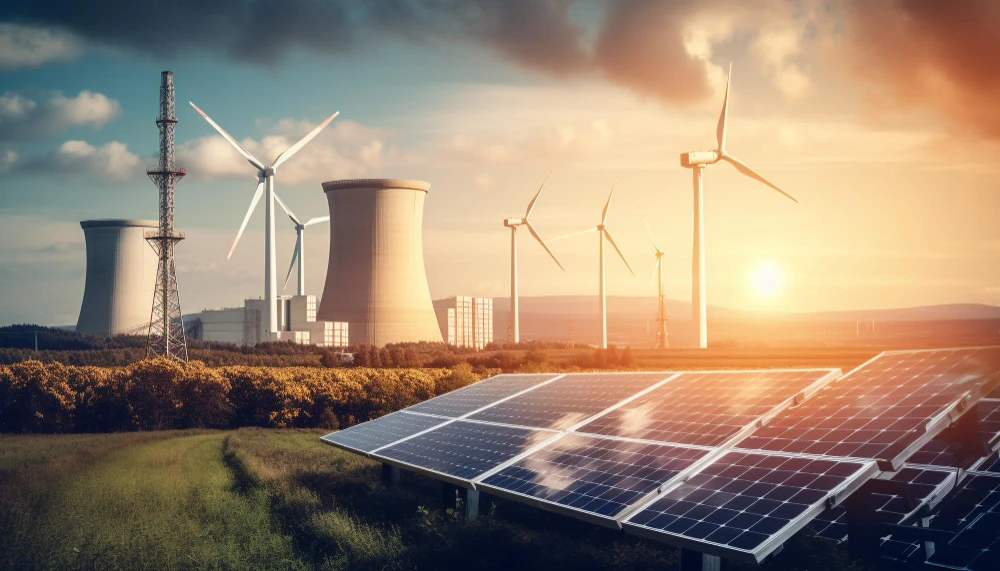
Solar energy has become the backbone of our clean-energy ambitions. Vast fields of panels promise carbon-free power, reduced reliance on fossil fuels, and a greener planet. Yet as these systems age, a critical question emerges: are we inadvertently planting tomorrow’s environmental waste?
Proper solar panel decommissioning is essential. When panels reach the end of their lifespan, simply discarding them creates a hidden environmental hazard. Left unmanaged, they can leach harmful metals like cadmium and lead into soil and water, contributing to pollution while valuable materials like aluminum, glass, and silicon go unrecovered.
The Growing Challenge of Solar Waste
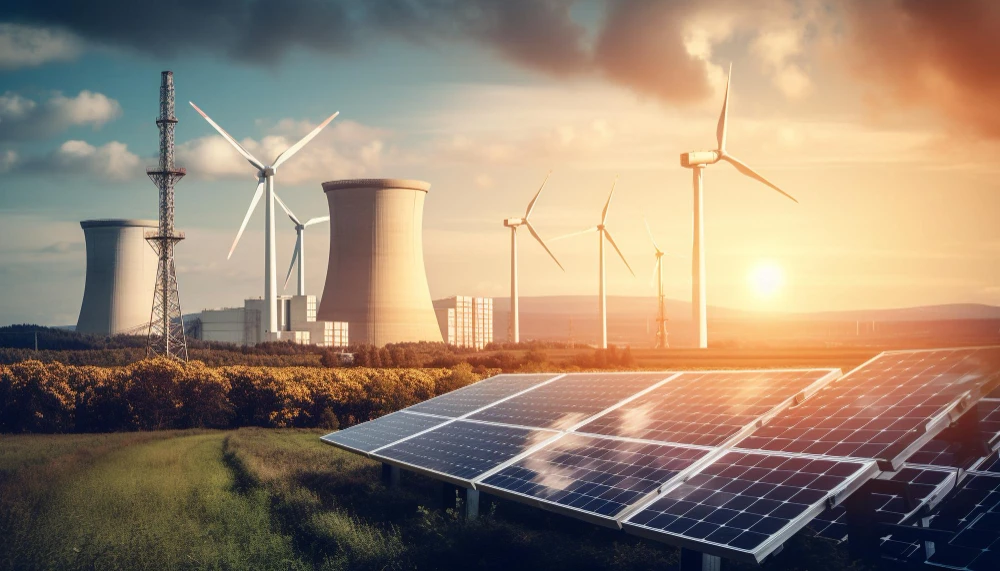
The renewable energy boom has created a new type of waste — old solar panels. Millions of panels installed decades ago are now approaching retirement. Without structured collection and recycling, these panels risk ending up in landfills.
Research and industry insights show that green leaders are tackling solar waste before it hits landfills, implementing strategies to recover materials, reduce toxic risks, and promote a circular energy economy.
The Hidden Costs of Clean Energy
Solar panels may reduce carbon emissions, but they come with unseen consequences. The production and disposal of panels require significant resources and can introduce toxins if mishandled. Ignoring the end-of-life phase could turn today’s renewable triumphs into tomorrow’s environmental burden.
A recent analysis details the hidden cost of clean energy, showing that without proper recycling and disposal practices, retired solar panels may pose ecological and financial challenges in the coming decades.
Towards a Circular Energy Future
To prevent retired panels from becoming waste, we need a circular approach:
- Design panels for easier recycling and material recovery
- Implement large-scale collection and recycling systems
- Encourage policy frameworks for responsible disposal
- Plan for decommissioning as part of project lifecycle
By addressing these steps, solar energy can remain truly sustainable, reducing its ecological footprint while recovering valuable resources.
Conclusion
Clean energy is not inherently clean if its waste is ignored. Responsible solar panel decommissioning, paired with recycling and end-of-life planning, is essential to ensure that renewable energy delivers long-term environmental benefits. By tackling the challenges of retired panels today, we can avoid creating tomorrow’s pollution crisis.