


Interactive displays have moved far beyond being a novelty in meeting rooms or classrooms. Today, they are a strategic digital asset that supports collaboration, accelerates decision-making, and enhances engagement across industries. As organizations evaluate technology investments more carefully than ever, a common question arises: are interactive displays truly worth the investment?
We explore this question by examining tangible benefits, measurable ROI, and real-world applications, providing a clear and practical perspective for decision-makers seeking long-term value.
Understanding the True Value of Interactive Displays
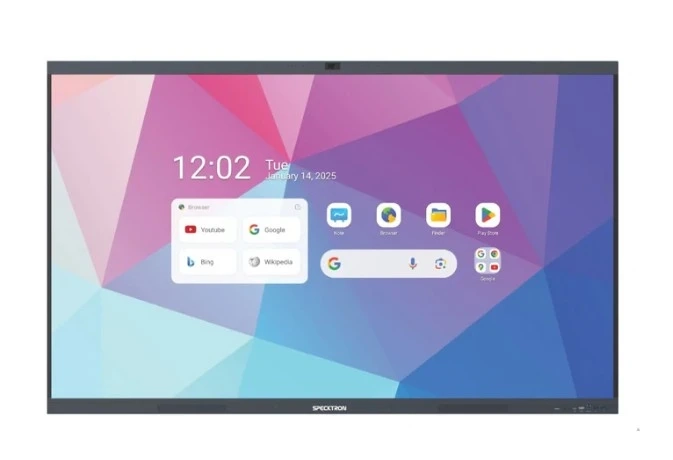
Interactive displays are large-format touch-enabled screens designed to support real-time collaboration, annotation, wireless sharing, and multimedia interaction. Unlike traditional projectors or static screens, they function as all-in-one collaboration platforms, combining hardware, software, and connectivity into a single solution.
The true value lies not in the screen itself, but in how it changes the way people work, learn, and communicate. Organizations that adopt interactive displays effectively often experience faster workflows, improved engagement, and better use of physical and digital spaces.
Key Benefits That Justify the Investment
Enhanced Collaboration and Productivity
Interactive displays remove friction from collaboration. Multiple users can interact with content simultaneously, annotate documents, and share screens wirelessly. This leads to shorter meetings, clearer communication, and quicker decisions, especially in hybrid environments.
Improved Engagement and Retention
Visual and hands-on interaction significantly improves attention and information retention. Whether used in training sessions, classrooms, or strategy meetings, interactive displays create active participation instead of passive viewing.
All-in-One Technology Reduces Complexity
By integrating whiteboarding, video conferencing, content sharing, and presentation tools, interactive displays reduce dependency on multiple devices. This simplifies IT infrastructure, minimizes compatibility issues, and lowers long-term maintenance costs.
Future-Ready and Scalable
Modern interactive displays support regular software updates, cloud integration, and third-party applications. This ensures the technology remains relevant, secure, and scalable as organizational needs evolve.
ROI: Measuring the Return on Interactive Display Investments
Time Savings Translate Into Cost Savings
Meetings that run efficiently and training sessions that achieve faster outcomes reduce operational costs. Over time, the hours saved across teams deliver measurable financial returns.
Reduced Training and Onboarding Costs
Interactive displays enable standardized, engaging training sessions. New employees or students learn faster, reducing the time and resources spent on repeated instruction.
Lower Maintenance and Replacement Costs
Compared to traditional projectors, interactive displays offer longer lifespans, lower maintenance requirements, and consistent image quality. There are no lamps to replace and no alignment issues to manage.
Maximized Use of Space
Meeting rooms, classrooms, and collaboration areas equipped with interactive displays become multi-purpose environments, increasing the utilization value of physical spaces.
Applications Across Key Industries
Education and Smart Learning Environments
Interactive displays support dynamic teaching methods, collaborative problem-solving, and digital content integration. Teachers can annotate lessons in real time, save sessions, and share materials instantly, creating inclusive and engaging learning experiences.
Corporate and Enterprise Workspaces
In boardrooms and meeting rooms, interactive displays enhance brainstorming, presentations, and data visualization. Teams collaborate seamlessly, whether in-person or remote, improving alignment and productivity.
Training and Skill Development
From technical training to leadership development, interactive displays enable scenario-based learning, simulations, and real-time feedback, accelerating skill acquisition.
Retail and Customer Experience Centers
Retailers use interactive displays for product demonstrations, digital catalogs, and immersive brand storytelling. This results in higher customer engagement and informed purchasing decisions.
Healthcare and Professional Services
Interactive displays support visual explanations, collaborative planning, and training in medical, architectural, and consulting environments where clarity and precision matter most.
Interactive Displays vs Traditional Presentation Tools
Traditional displays and projectors are designed for one-way communication. Interactive displays, on the other hand, enable two-way interaction, transforming viewers into participants. The shift from passive consumption to active collaboration is where the real ROI emerges.
Additionally, interactive displays provide consistent brightness, sharper visuals, and instant startup, eliminating many limitations associated with older technologies.
Key Considerations Before Investing
Use Case Alignment
The value of an interactive display increases when aligned with clear objectives—collaboration, training, or engagement. Identifying the primary use case ensures the technology delivers maximum impact.
Software Ecosystem
A strong software environment enhances usability and adoption. Compatibility with collaboration platforms, cloud storage, and productivity tools is essential for long-term value.
User Adoption and Training
Even the best technology delivers ROI only when users embrace it. Simple interfaces and basic training ensure faster adoption and sustained usage.
Total Cost of Ownership
Beyond upfront costs, interactive displays offer savings through reduced maintenance, fewer peripherals, and longer operational life, resulting in lower total cost of ownership.
Long-Term Strategic Advantages
Interactive displays are not just tools; they are enablers of digital transformation. They support hybrid work models, modern learning methodologies, and data-driven collaboration.
Organizations that invest early often gain a competitive advantage through agility, innovation, and improved communication.
As workplaces and learning environments continue to evolve, interactive displays act as a bridge between physical and digital experiences, ensuring teams stay connected and productive.
Final Perspective: Are Interactive Displays Worth the Investment?
When evaluated through the lens of productivity, engagement, and long-term operational efficiency, interactive displays clearly justify their investment. They deliver measurable ROI by improving collaboration, reducing costs, and future-proofing workspaces.
For organizations focused on growth, innovation, and effective communication, interactive displays are not an expense—they are a strategic investment with lasting value.