



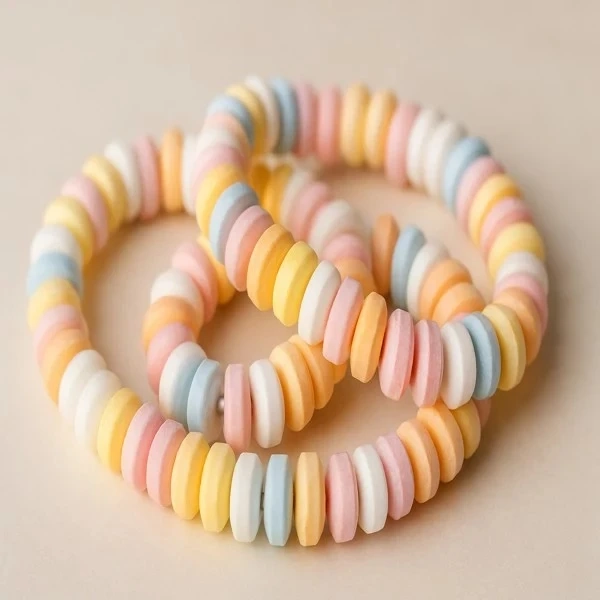
In recent years, the toy market has become flooded with products designed to grab attention with bright colors, fun shapes, and interactive features. Among these, hard candy toys —those that resemble hard candies or incorporate candy as a component —have gained popularity, especially among younger children. But as with any product that merges play and consumption, parents often ask the most important question: Are hard candy toys safe for children?
This comprehensive guide aims to answer that question, breaking down the types of hard candy toys, their potential risks, safety considerations, and tips for parents to ensure a safe and enjoyable experience.
What Are Hard Candy Toys?
Hard candy toys typically fall into two main categories:
a) Toys That Contain Hard Candy: These are physical toys (often made of plastic or collectible) that feature a compartment filled with hard candy, such as lollipops, suckers, or pressed sugar treats. Some spin, light up or dispense candy at the push of a button.
b) Toys That Look Like Hard Candy: These are not edible but are designed to mimic the shape, color, and texture of candy. Examples include candy-shaped bath toys, squishies, teething toys, or novelty playsets.
While both are fun and visually appealing, they come with different safety concerns, especially for younger children.
Potential Risks of Hard Candy Toys
1. Choking Hazards
Choking is the most significant risk, particularly with toys that include real hard candy. Hard candy does not dissolve quickly and can easily block a child’s airway if swallowed incorrectly. This risk is most pronounced in:
- Children under age 4
- Children with underdeveloped chewing or swallowing skills
- Toys with small detachable parts resembling candy
Even non-edible candy-shaped toys can be mistaken for food by toddlers and pose choking risks if swallowed.
Parental Tip: Always read the age recommendations on the packaging. Avoid giving hard candy toys to children under four unless directly supervised.
2. Confusion Between Toys and Edibles
Young children may not be able to distinguish between candy toys and real food. This can lead to:
- Accidental ingestion of non-edible parts
- Mimicking behavior, such as biting plastic or chewing on unsafe materials
Toys that look or smell like real candy can be confusing, especially for toddlers who explore objects with their mouths. This increases the risk of unintentional ingestion and injury.
Parental Tip: Store candy toys separately from regular food and explain the difference between toys and treats.
3. Material and Chemical Concerns
Toys especially imported or unbranded ones, may contain unsafe materials such as:
- BPA or phthalates in plastic components
- Lead-based paint
- Unregulated sugar or coloring agents in the candy itself
While most established toy manufacturers comply with U.S. safety standards (ASTM F963), knockoffs or toys bought from unverified online sellers may not.
Parental Tip: Always purchase from trusted brands or retailers and look for certifications, such as CPSC (Consumer Product Safety Commission) approval or FDA labeling, for edible items.
4. Tooth Decay and Health Risks
Toys containing candy can contribute to excessive sugar intake. Some of these candies are:
- High in artificial dyes and sweeteners
- Packaged with multiple servings in a single toy
- Encouraging long sucking times, increasing sugar exposure
This can lead to dental issues, such as cavities, particularly if not followed by thorough brushing.
Parental Tip: Limit frequency and monitor brushing habits. Choose toys with sugar-free options when possible.
How to Choose Safe Hard Candy Toys
When selecting a hard candy toy for your child, consider the following safety checklist:
✔️ Check the Age Recommendation
Most packaging clearly states an appropriate age range. Never buy toys with small parts or hard candy for children under the age of 3–4.
✔️ Read the Ingredients and Materials
Look for:
- Allergen warnings (e.g., nuts, gluten, soy)
- FDA-approved candy labels
- BPA-free or phthalate-free toy plastics
Avoid vague labeling or toys without manufacturer information.
✔️ Inspect the Construction
Ensure that:
- Candy compartments close securely and don’t pop open too easily
- Moving parts aren’t sharp or detachable.
- Batteries (if any) are safely enclosed.
✔️ Avoid Overly Realistic Candy Toys for Young Kids
If the toy resembles actual food too closely (especially gumdrops, mints, or lollipops), younger children may attempt to chew or swallow it.
Safe Use and Supervision Tips
🔹 Always Supervise Playtime
Even if the toy is labeled as safe, supervision is critical, especially during the first use or if the toy includes edible elements.
🔹 Explain the Toy’s Purpose
Teach your child that certain toys, while resembling candy, are not meant to be eaten. Establish clear rules.
🔹 Store Safely
After playtime, keep candy toys in a location that’s out of reach of toddlers or visiting children who may not understand the toy’s purpose.
🔹 Rotate Toys and Discard When Worn
If the toy begins to wear down, has loose parts, or becomes sticky or damaged, it’s time to retire it. Broken toys are much more dangerous.
Alternatives to Hard Candy Toys
If you’re concerned about safety but still want a fun, candy-themed experience, consider these safer alternatives:
- Candy-themed plush toys or pillows
- Candy-shaped bath toys (for ages 3+ with no small parts)
- Scented playdough or slime kits with candy flavors (non-edible, supervised use only)
- Books or coloring sets with candy themes
These offer a sweet aesthetic without the risks associated with real candy or edible components.
What Do Pediatricians Say?
Many pediatricians and dentists advise against hard candy for children under five due to the risk of choking and dental issues. When hard candy is paired with a toy, the risk can double if children are unaware of which parts are edible or safe.
Dr. Rachel V., a pediatrician in San Diego, notes:
"Candy toys are tempting, but they require vigilance. Parents should treat them as both a food and a toy and supervise accordingly."
Final Thoughts: A Balanced Approach
Hard candy toys can be fun and memorable gifts, especially when used responsibly and in moderation. The key is informed selection, active supervision, and the use of age-appropriate materials.
To summarize:
- Under 3? Avoid entirely.
- Ages 4–6? Use with close supervision.
- Older kids? Teach them to distinguish between toys and food.
With the right safety precautions, hard candy toys can be a sweet and safe experience for children; make sure they’re used wisely, not mindlessly.