



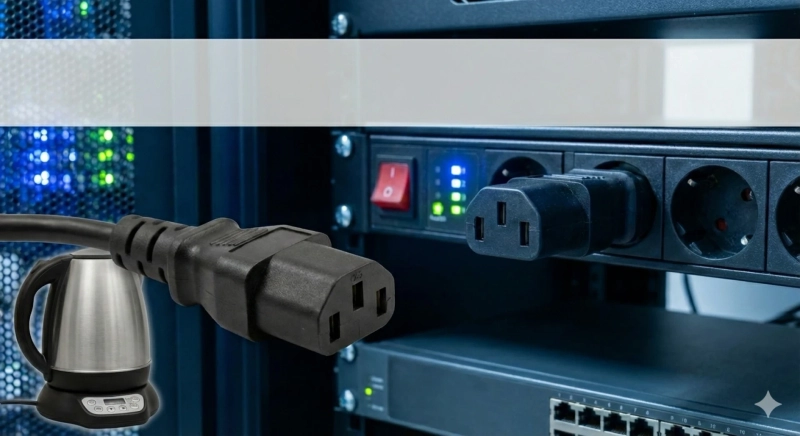
When powering critical equipment in data centers, server rooms, or industrial settings, choosing the right power cable makes all the difference. The IEC C15 power cable has gained popularity for high-temperature applications, but many users wonder: can these cables truly handle continuous high-load operations safely?
This comprehensive guide explores the safety profile, technical capabilities, and best practices for using C15 power cables in demanding environments.
Understanding the IEC C15 Power Cable
The IEC C15 power cable features a distinctive notched connector design that prevents accidental connection with standard C13 inlets. This connector belongs to the IEC 60320 family of power cords and specifically addresses the needs of equipment that generates significant heat during operation.
Manufacturers designed the IEC C15 power cable to work with C16 inlets, creating a keyed system that ensures proper matching between power sources and equipment. This deliberate incompatibility with standard C14 inlets serves as a safety feature, preventing users from inadvertently using lower-rated cables with high-temperature equipment.
Temperature Ratings and Thermal Performance
Operating Temperature Specifications
The C15 connector boasts an impressive operating temperature rating of up to 120°C (248°F), significantly higher than the standard C13 connector's 70°C (158°F) rating. This 50°C difference makes the IEC C15 power cable the preferred choice for equipment that runs hot during normal operations.
This enhanced temperature tolerance allows the cable to maintain structural integrity and electrical performance even when connected to devices that generate substantial heat. The high-temperature rating doesn't just protect the cable—it protects your entire electrical system from potential thermal failures.
Real-World Heat Management
In continuous high-load applications, equipment naturally generates heat. Server power supplies, high-performance computing equipment, and industrial machinery can push standard cables beyond their safe operating limits. The C15 connector's design specifically addresses these thermal challenges.
The connector housing uses heat-resistant materials that maintain their shape and insulating properties even under prolonged exposure to elevated temperatures. This thermal stability prevents the connector loosening, arcing, or degradation that often occurs when standard connectors face high-temperature environments.
Electrical Load Capacity
Current Ratings and Power Delivery
The IEC C15 power cable typically handles currents up to 10 amperes at voltages ranging from 250V in many regions. This translates to approximately 2,500 watts of power delivery capability—sufficient for most server-grade equipment and high-performance computing devices.
However, users must understand that current rating and temperature rating represent different safety parameters. While a C15 cable handles 10A continuously, the total power delivery depends on voltage, cable length, and conductor gauge. Longer cables or thinner conductors may experience voltage drop or generate additional heat under maximum load.
Continuous Operation Considerations
Continuous high-load operation means your equipment draws near-maximum current for extended periods. The IEC C15 power cable handles this scenario well, provided you observe proper specifications. The key factors include:
- Using appropriate wire gauge (typically 18 AWG or 16 AWG for higher loads)
- Ensuring adequate ventilation around connections
- Matching cable length to application requirements
- Verifying that total system load stays within rated limits
Safety Features and Certifications
Built-in Protection Mechanisms
Quality IEC C15 power cables incorporate multiple safety features beyond their temperature rating. The notched design prevents incorrect connections, while the robust construction resists mechanical stress. Many manufacturers include strain relief at connection points, preventing wire fatigue from repeated flexing or tension.
The materials used in certified C15 cables resist flame spread and maintain insulating properties even under fault conditions. This fire-resistant construction adds another layer of protection in high-density installations where multiple cables run in close proximity.
Certification Standards
Reputable C15 power cables carry certifications from recognized testing organizations such as UL, CSA, VDE, or equivalent regional authorities. These certifications verify that cables meet strict safety standards for construction, materials, and performance under various conditions.
When selecting an IEC C15 power cable for continuous high-load applications, always verify proper certification markings. Counterfeit or substandard cables may look similar but lack the materials and construction quality necessary for safe operation.
Best Practices for High-Load Applications
Proper Installation Guidelines
Even the best IEC C15 power cable requires correct installation to perform safely. Follow these guidelines:
Ensure Firm Connections: The C15 connector should seat fully into the C16 inlet with no gaps. Loose connections create resistance, generating heat that can exceed even the C15's temperature rating.
Avoid Cable Bundling: When running multiple power cables, leave space between them for air circulation. Bundled cables trap heat, potentially causing even high-temperature cables to overheat.
Regular Inspection: Periodically check cables for signs of wear, discoloration, or damage. Replace any cable showing deterioration immediately.
Matching Cables to Equipment
Not all equipment that accepts C15 connectors requires them. Review your equipment specifications to determine actual power requirements and operating temperatures. Using a IEC C15 power cable where unnecessary doesn't cause problems, but understanding your actual needs helps optimize your power infrastructure.
For equipment with particularly demanding power requirements, consider consulting with electrical engineers to verify that your entire power delivery system—from circuit breakers through outlets to cables—properly supports continuous high-load operation.
Limitations and When to Upgrade
Knowing the Boundaries
While C15 power cables excel in high-temperature environments, they have limits. Applications requiring more than 10A continuous current need different solutions, such as C19/C20 connectors rated for 16A or 20A.
Similarly, if your environment regularly exceeds 120°C near power connections, you face problems beyond cable selection. Such extreme temperatures indicate inadequate cooling or equipment malfunction requiring immediate attention.
Alternative Solutions
For truly extreme high-load applications, consider hardwired connections rather than detachable power cords. Permanent installations allow for larger conductors, better heat dissipation, and elimination of connector-related failure points.
Conclusion
The IEC C15 power cable provides excellent safety and reliability for continuous high-load applications within its specified ratings. Its 120°C temperature tolerance, robust construction, and proper current-carrying capacity make it ideal for server rooms, data centers, and industrial equipment that generates significant heat.
However, safety depends on proper selection, installation, and maintenance. Always verify that your specific application falls within the cable's ratings, use certified products from reputable manufacturers, and follow installation best practices. When you respect these guidelines, C15 power cables deliver safe, reliable performance even under demanding continuous high-load conditions.
For applications exceeding C15 capabilities, don't hesitate to upgrade to higher-rated solutions. The right cable choice protects both your equipment and your facility's electrical infrastructure.
Source: https://apunkagames.today/everything-you-should-know-about-c15-power-cables/