



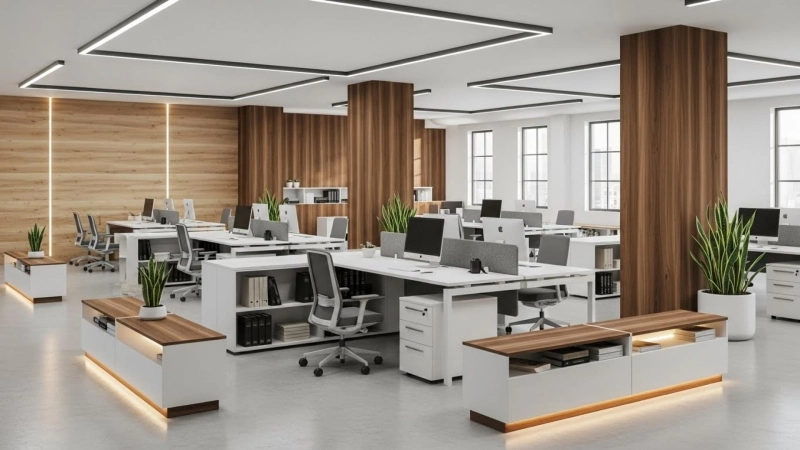
Architectural vinyl wrap is a flexible, adhesive film designed to cover and enhance surfaces in both interior and exterior architectural projects. Unlike traditional cladding or paint, vinyl wraps offer a versatile solution for design, protection, and refurbishment. These wraps are manufactured to withstand harsh environmental conditions, including UV exposure, moisture, and temperature variations, making them suitable for a wide range of commercial and residential applications.
Architectural vinyl wrap can mimic natural materials such as wood, stone, or metal, allowing designers and building owners to achieve a premium aesthetic without the high costs or maintenance requirements of traditional materials. Modern films from leading manufacturers like 3M™, Avery Dennison®, and Hexis provide advanced finishes with customizable colors, textures, and gloss levels, opening new possibilities in facade design and interior transformations.
Benefits of Using Vinyl Wrap in Architecture
Aesthetic Versatility
One of the most significant advantages of architectural vinyl wrap is its design flexibility. Designers can choose from hundreds of finishes, including matte, satin, metallic, and textured surfaces, enabling precise alignment with a project’s visual goals. Vinyl wraps also allow for seamless branding or graphic integration, particularly for commercial buildings seeking unique facades.
For instance, an office complex may use a metallic vinyl wrap to convey a modern and innovative image, while a retail space may choose a woodgrain finish to create warmth and approachability. These options provide near-limitless creative potential without the logistical constraints of natural materials.
Durability and Protection
Architectural vinyl wraps are engineered for longevity. High-quality films resist cracking, fading, and peeling under extreme weather conditions, making them ideal for exterior applications. In addition to aesthetic benefits, vinyl wraps act as a protective barrier against moisture, dust, and surface abrasions.
Commercial properties that face heavy foot traffic or environmental wear can particularly benefit from this protective quality. For example, public transit stations often use vinyl wraps to preserve metal or concrete surfaces while maintaining an attractive, uniform appearance.
Cost-Effectiveness
Compared to traditional materials like metal panels, wood cladding, or natural stone, vinyl wraps are considerably more cost-effective. Installation is generally faster and requires less structural modification, reducing labor costs and project timelines. Additionally, because vinyl wraps are low-maintenance, they minimize ongoing expenses such as repainting or repair.
Types of Architectural Vinyl Wraps
Interior vs Exterior Applications
Vinyl wraps vary depending on whether they are intended for interior or exterior use. Interior wraps often focus on visual impact and customization, such as textured panels, wall murals, or decorative ceilings. Exterior films are engineered to withstand environmental stress, including UV rays, rain, and temperature fluctuations, ensuring they maintain their color and adhesion over time.
Some projects may combine both interior and exterior applications for a cohesive design, using matching finishes to unify the building’s overall aesthetic.
Specialty Finishes and Textures
Beyond basic colors, vinyl wraps now offer innovative textures and specialty finishes. These include metallic sheens, brushed textures, leather-like surfaces, and even reflective or holographic films. Architects can achieve the appearance of expensive materials like stainless steel, marble, or bronze without the associated weight or cost.
For example, a luxury hotel lobby may utilize a high-gloss metallic vinyl to create a striking feature wall, while an urban office building could employ a matte, stone-like wrap for a sophisticated, understated exterior.
How to Choose the Right Vinyl Wrap for Your Project
Material Quality and Brand
Selecting the right material is crucial for achieving both aesthetic and functional goals. Leading brands such as 3M™, Avery Dennison®, and Hexis are trusted for their high-performance films, offering consistent color, long-term durability, and warranties. When evaluating vinyl options, consider thickness, UV resistance, and manufacturer certifications, which indicate compliance with building and environmental standards.
Installation Methods and Professional Services
Proper installation ensures the vinyl wrap performs optimally and lasts for years. While some films can be self-applied, professional installation is recommended for large-scale projects or complex surfaces. Certified installers employ precise techniques, including surface preparation, heat application, and seam management, to prevent bubbles, wrinkles, or premature peeling.
Sustainability and Environmental Considerations
Eco-conscious building projects increasingly prioritize sustainable materials. Many vinyl wrap manufacturers now offer films with lower volatile organic compound (VOC) emissions, recyclable backing, or long lifespan to reduce environmental impact. Incorporating sustainable vinyl films can support green building certifications and appeal to clients seeking environmentally responsible design solutions.
Maintenance and Longevity of Vinyl Wraps
Cleaning and Care Tips
Maintaining vinyl wraps is straightforward. Regular cleaning with non-abrasive solutions, mild detergents, and soft cloths helps preserve color and surface integrity. Avoid harsh chemicals, scrubbing pads, or high-pressure washers, as these can damage the film. Exterior wraps may require more frequent washing in urban or coastal areas to remove pollutants, salt, or grime.
Troubleshooting Common Issues
Despite their durability, vinyl wraps can face issues such as lifting at seams, minor scratches, or fading over time. These problems are often preventable with proper installation and regular maintenance. Small scratches can be buffed out or patched, while lifted edges may require professional reapplication. High-quality films typically include warranties covering these issues, providing peace of mind for building owners.
Case Studies: Architectural Vinyl Wrap in Action
Architectural vinyl wrap has been employed in diverse projects worldwide, demonstrating its adaptability.
- Commercial Office Facade: A tech company in San Francisco applied a metallic silver vinyl wrap to an office tower, achieving a modern, reflective surface that required minimal upkeep.
- Retail Spaces: Several international retail chains have used custom-branded vinyl wraps to refresh store exteriors, allowing for seasonal or promotional changes without permanent construction.
- Hospitality Industry: Hotels have leveraged textured vinyl films to create unique lobbies, accent walls, and feature ceilings, replicating premium materials like marble and wood at a fraction of the cost.
These examples highlight how vinyl wraps provide both aesthetic flexibility and practical advantages across industries.
Future Trends in Architectural Vinyl Wraps
The future of architectural vinyl wrap lies in innovation and sustainability. Trends include:
- Smart Vinyl Films: Integrating sensors or light-responsive materials for adaptive facades.
- Eco-Friendly Solutions: Recyclable or low-VOC films to support green building initiatives.
- Advanced Textures and Finishes: Including metallic, holographic, or textured surfaces that mimic expensive natural materials.
- Digital Customization: Enhanced printing technologies allow designers to incorporate intricate patterns, gradients, and branding elements at large scales.
As technology and material science evolve, vinyl wraps are likely to become an even more attractive alternative to traditional architectural finishes.
FAQs
1. How long does an architectural vinyl wrap last?
High-quality exterior vinyl wraps typically last 8 to 12 years, depending on environmental exposure and maintenance.
2. Can vinyl wraps be removed and replaced easily?
Yes, most vinyl wraps are designed for clean removal without damaging the underlying surface, allowing updates or redesigns.
3. Are vinyl wraps suitable for all building types?
Vinyl wraps are versatile and can be applied to metal, wood, glass, and concrete surfaces, although proper preparation and adhesion are essential.
4. Do vinyl wraps require special maintenance?
Routine cleaning with mild soap and water is sufficient. Avoid abrasive tools or harsh chemicals to preserve color and texture.
5. Are there eco-friendly vinyl wrap options?
Yes, many manufacturers offer low-VOC or recyclable films suitable for environmentally conscious projects.
6. Can architectural vinyl wraps replicate natural materials?
Absolutely. Advanced films can mimic wood, stone, metal, and other textures with high realism.
7. Is professional installation necessary for vinyl wraps?
For large-scale or complex surfaces, professional installation ensures durability, smooth application, and long-term performance.