



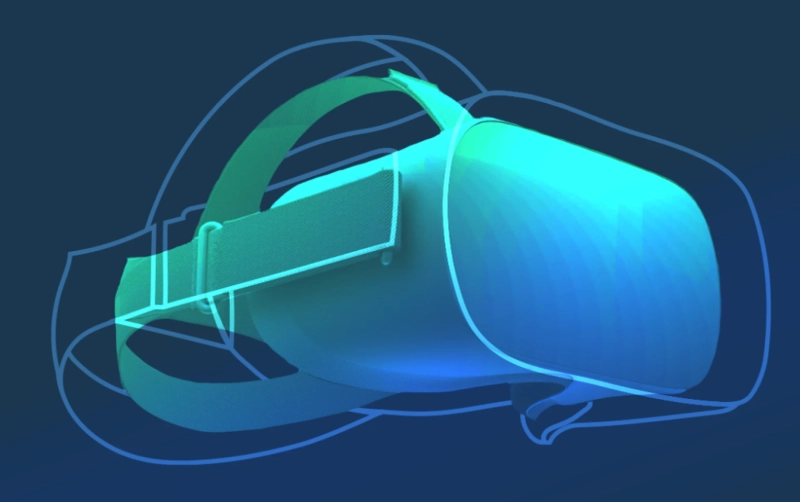
In today’s rapidly evolving digital landscape, Augmented Reality (AR) and Virtual Reality (VR) have emerged as two of the most transformative technologies shaping how we interact with computers, environments, and each other. From immersive gaming experiences to revolutionary industrial applications, both AR and VR are creating new opportunities — and new challenges — for businesses across virtually every sector.
But while the acronyms might seem similar, AR and VR are fundamentally different experiences. Choosing the right technology can significantly impact how effective your product, service, or customer engagement strategy will be. This article explores the key differences between AR and VR, highlights real-world use cases for each, and helps you determine which technology your business needs.
Understanding the Basics
Before diving into comparisons and use cases, let’s define the technologies:
What Is AR (Augmented Reality)?
Augmented Reality overlays digital information — such as images, sounds, or data — into the real world. Instead of replacing reality, it enhances it. Users still see their physical environment, but with digital elements layered on top.
A common example might be a mobile app that displays directions overlaid onto the live view from your phone’s camera, or an interactive product demo that shows 3D information on a real object.
This fusion of digital and physical elements enables businesses to create rich, contextual experiences that help users understand complex information quickly and intuitively.
🟦 One of the fastest-growing fields within AR is augmented reality projects, which range from educational tools to retail visualizers and industrial maintenance aids.
What Is VR (Virtual Reality)?
Virtual Reality, on the other hand, completely immerses the user in a digital environment. Rather than augmenting the real world, VR replaces it with a simulated one.
Users typically wear VR headsets that block out their physical surroundings and display a virtual scene — whether it's a fantasy world, a simulation training facility, or a virtual office meeting room. VR environments can be interactive, responsive to movements, and detailed enough to feel remarkably real.
Key Differences Between AR and VR
Let’s break down the core differences in more detail:
1. Level of Immersion
The most obvious difference between AR and VR lies in how immersive the experience is.
- AR enhances reality. Users remain grounded in their physical environment. Digital content adds context or functionality to what they already see.
- VR replaces reality. Users are transported to an entirely digital world. Nothing from the physical environment is visible unless intentionally integrated (e.g., mixed reality setups).
This difference influences how each technology is used. AR is ideal when combining digital insights with real-world tasks, while VR is perfect for fully immersive experiences such as training simulations or virtual entertainment.
2. Hardware Requirements
The hardware needed for each technology varies significantly:
- AR can run on smartphones, tablets, or smart glasses. This makes it highly accessible, since most people already carry AR-capable devices.
- VR usually requires a dedicated headset like those offered by major tech companies, and often additional sensors or controllers to track movement.
Lower hardware barriers make AR solutions easier and quicker to deploy at scale, especially for customer-facing applications.
3. User Interaction and Mobility
AR applications frequently leverage intuitive interaction models like touch, voice commands, and real-world context. Users can move normally and interact with both real and virtual elements.
VR, on the other hand, often involves more structured interactions. Movement may be limited by the boundaries of the play area, and user actions are usually translated through controllers or motion tracking systems.
4. Contextual Awareness
One of AR’s biggest strengths is its ability to incorporate environmental awareness into experiences.
Imagine a maintenance worker wearing AR glasses that display step-by-step instructions over machinery, or a shopper using AR to visualize how a couch might look in their living room before buying it. AR can make real-time use of physical context to provide meaningful digital content.
VR lacks this contextual linkage because the physical environment is entirely replaced.
Use Cases for AR
Augmented reality is rapidly finding real-world business applications across a wide range of industries. Here are some standout examples:
Retail and E-Commerce
AR enables customers to visualize products in their own space before making a purchase.
➡️ Furniture brands allow consumers to see how sofas, tables, and décor fit into their rooms.
➡️ Cosmetics companies let users “try on” makeup virtually.
By reducing uncertainty, AR directly influences purchase confidence and conversion rates.
Training and Education
AR can provide learners with interactive, real-time visual guidance.
➡️ Medical students can explore 3D models overlaid on real-world anatomy.
➡️ Technicians can follow AR instructions during complex equipment repairs.
This hands-on learning method accelerates comprehension and reduces errors.
Industrial Maintenance
Field engineers use AR to access digital manuals superimposed on machinery. This speeds up troubleshooting and improves accuracy in repairs.
Real-time access to data such as performance metrics or critical alerts can significantly increase efficiency.
Marketing and Advertising
AR offers novel and engaging ways to connect with users. Brands can create interactive print ads, immersive product demos, or AR games that drive engagement and buzz.
Tourism and Attractions
Visitors can use AR apps to see historical reconstructions on site or access additional content about landmarks.
This enriches the visitor experience without physical infrastructure.
Use Cases for VR
While AR blends digital with reality, VR immerses users in fully computer-generated environments. This makes it particularly powerful for use cases where presence and simulation matter most:
1. Training Simulations
Industries with high-risk tasks — such as aviation, military, or healthcare — benefit from VR. Trainees can practice in lifelike environments without risk.
For example:
✔️ Pilots can use VR flight simulators to rehearse emergency protocols.
✔️ Surgeons can rehearse complex procedures in a virtual OR.
2. Virtual Meetings and Collaboration
As remote work persists, VR offers a new way to collaborate in virtual workspaces. Participants can interact as avatars, share digital content, and brainstorm in 3D environments.
This can feel more engaging than traditional video calls.
3. Real Estate and Virtual Tours
Buyers can tour properties virtually, exploring layouts and designs from anywhere in the world. VR also supports interactive design customization, allowing potential buyers to experiment with finishes and décor.
4. Entertainment and Gaming
Perhaps the most well-known VR application, immersive gaming places users directly inside virtual worlds. These experiences can be highly interactive and emotionally impactful.
Beyond gaming, VR is also used in immersive cinema and live events.
Choosing Between AR and VR: What Your Business Needs
Deciding whether AR or VR is right for your business depends on several factors:
1. Your Business Goals
👉 If your goal is to enhance real-world tasks with contextual information, AR is likely the better choice.
👉 If your goal is to create fully immersive experiences or detailed simulations, VR will be more effective.
For example:
- A retailer seeking to improve online shopping engagement should explore AR.
- A medical institution investing in immersive surgical training should consider VR.
2. Your Target Audience
AR’s accessibility on existing devices makes it easier to reach a broad audience without requiring customers to purchase additional hardware.
VR’s adoption is growing, but businesses should consider whether their audience has access to VR headsets or whether the experience justifies the investment.
3. Budget and Development Resources
Developing high-quality VR content can be more resource-intensive due to the need for detailed virtual environments and specialized interaction systems.
AR projects often require less overhead since they can leverage existing cameras and screens on smartphones or tablets.
That said, both AR and VR projects benefit from careful planning, strong UX design, and expertise in 3D development.
4. Technical Considerations
Before investing in either technology, consider integration with your existing systems:
- Will the AR application need to access real-time data?
- Does the VR experience require multi-user support?
- What hardware will users have access to?
Addressing these questions early helps shape a realistic development path.
Case Studies: AR and VR in Action
Understanding how other organizations have successfully used AR and VR can illustrate the potential impact on your own business.
AR in Retail
A leading furniture brand identified a gap between online product browsing and customer confidence in purchase decisions. By implementing AR visualization tools, customers could place life-size 3D models of furniture in their homes before buying. This not only reduced return rates but significantly improved online sales conversion.
VR in Employee Training
An international airline launched a VR training program for cabin crew. Instead of learning procedures through manuals and classroom lectures, trainees put on VR headsets and practiced safety routines in virtual cabins. This interactive method improved retention rates and reduced training time.
How to Get Started With AR or VR
If you’re ready to explore AR or VR for your business, here’s a practical roadmap:
1. Define Clear Objectives
Start with questions like:
✔️ What problem are you solving?
✔️ Do you want to educate, entertain, or improve performance?
A clearly defined goal ensures alignment throughout development.
2. Conduct User Research
Understanding your users’ needs, behaviors, and pain points will help shape the right experience.
Ask:
- How comfortable is your user with new technologies?
- What devices do they already use?
- What context will they be using the AR/VR experience in?
3. Choose the Right Technology
Some businesses might benefit from a hybrid approach:
- Use AR for product visualization.
- Use VR for immersive training simulations.
For more advanced concepts like 3D interaction design or real-time environmental mapping, collaborating with specialized teams becomes essential.
Companies like Zoolatech have expertise in developing immersive digital experiences that help businesses deploy both AR and VR solutions efficiently and effectively.
4. Prototype and Test
Before committing to full development, create prototypes. Early testing can uncover usability issues and guide improvements without large investments.
5. Plan Deployment and Support
Consider:
- What platforms will you support?
- How will you handle updates?
- Do you need analytics to measure performance?
A solid deployment strategy ensures your AR or VR solution thrives post-launch.
Future Trends: Where AR and VR Are Headed
The immersive technology landscape is evolving quickly, and both AR and VR are poised for continued growth.
AR Trends to Watch
- Integration with wearables and smart glasses
- Location-based AR experiences
- Real-time data overlays in industrial environments
VR Trends to Watch
- Social VR platforms for workplace collaboration
- VR-enabled wellness and therapeutic applications
- Enhanced sensory feedback through haptics
As hardware becomes more advanced and accessible, the gap between digital and physical experiences will continue to narrow.
Conclusion: Making the Right Choice
AR and VR are powerful tools with unique strengths and applications. Whether you’re looking to augment real-world interactions or build completely immersive virtual universes, understanding the core differences between these technologies will help you make strategic decisions that align with your business goals.
- Augmented Reality excels when you need to enhance real environments and empower users with contextual insights.
- Virtual Reality shines when full immersion and simulation fidelity are critical.
By assessing your objectives, audience, budget, and technical requirements, you can choose the technology that delivers real value. With expert partners and thoughtful planning, your business can harness the transformative power of AR or VR to create engaging experiences and drive innovation.