



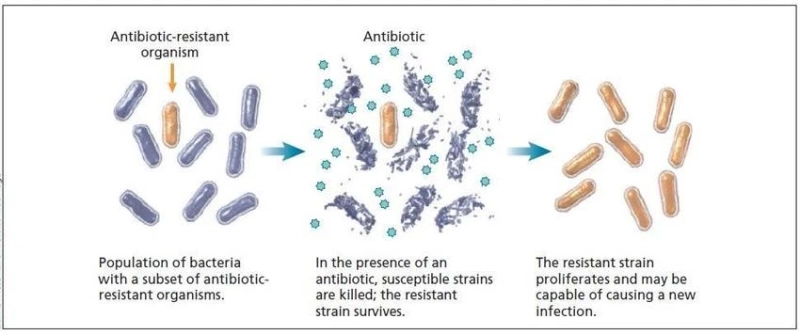
Antimicrobial resistance (AMR) is one of the most critical public health challenges of the 21st century. Pathogens that were once easily treatable with standard antibiotics are now evolving to resist these drugs, making infections harder to manage and increasing the risk of severe complications or mortality. This growing health crisis has propelled the antimicrobial resistance diagnostics market to the forefront of medical innovation, offering solutions that help healthcare providers detect resistant strains accurately and rapidly.
The global antimicrobial resistance diagnostics market was valued at US$ 4.5 billion in 2024, and it is projected to grow at a CAGR of 6.5% from 2025 to 2035, reaching US$ 8.9 billion by 2035. This growth reflects not only the increasing prevalence of drug-resistant infections but also the urgent need for advanced diagnostic solutions that can improve patient outcomes and optimize antibiotic usage.
The Role of Diagnostics in Combating AMR
Antimicrobial resistance diagnostics play a pivotal role in the battle against superbugs. By accurately identifying resistant pathogens, these tools enable clinicians to prescribe the most effective treatment while preventing unnecessary use of antibiotics. This targeted approach helps reduce treatment failures, lowers healthcare costs, and ultimately saves lives.
Modern diagnostics are moving beyond traditional culture-based methods, which can take days to produce results. Today, molecular diagnostics, PCR-based assays, microarrays, and next-generation sequencing technologies offer faster, more precise detection. Additionally, point-of-care testing and AI-assisted diagnostic platforms are revolutionizing healthcare by delivering immediate results that inform timely and effective treatment decisions.
Key Players Driving Innovation
The competitive landscape of the antimicrobial resistance diagnostics market is shaped by leading companies that are investing in research, technological advancements, and strategic collaborations. Prominent market players include:
- BioMerieux
- F. Hoffmann-La Roche AG
- Abbott
- BD (Becton, Dickinson and Company)
- Accelerate Diagnostics, Inc.
- Molsid
- Vela Diagnostics
- Bruker
- Bio-Rad
These companies are focused on expanding their product portfolios, improving the precision of diagnostic tests, and adopting advanced technologies to meet the evolving needs of the healthcare sector. Collaborations, mergers, and acquisitions are common strategies to strengthen their market presence and broaden geographic reach.
Regional Insights and Opportunities
North America currently leads the market, supported by sophisticated healthcare infrastructure, high technology adoption, and government initiatives to combat antimicrobial resistance. Europe also represents a significant share, driven by strong regulatory support, public health programs, and proactive infection surveillance initiatives.
Meanwhile, Asia-Pacific is emerging as the fastest-growing market. Rising healthcare expenditure, increasing awareness about AMR, and the expansion of diagnostic facilities in developing nations are driving demand. This region presents opportunities for cost-effective and innovative diagnostic solutions tailored to local healthcare challenges.
Challenges and Market Dynamics
Despite strong growth prospects, the antimicrobial resistance diagnostics market faces certain challenges. High costs associated with molecular diagnostics, limited awareness in resource-constrained areas, and lack of standardized testing protocols can restrict widespread adoption. Integrating diagnostic tools into existing healthcare workflows and ensuring proper training for healthcare professionals also remain critical hurdles.
However, continuous innovations in rapid point-of-care testing, multiplex assays, and AI-driven diagnostic platforms are addressing these challenges, making diagnostics more accessible, affordable, and accurate. Global health initiatives, including the WHO’s Global Antimicrobial Resistance Surveillance System (GLASS), are also fostering standardized monitoring, reporting, and adoption of diagnostic technologies worldwide.
The Future of Antimicrobial Resistance Diagnostics
The antimicrobial resistance diagnostics market is poised for substantial growth, driven by the urgent need to combat drug-resistant infections. From US$ 4.5 billion in 2024 to US$ 8.9 billion by 2035, the market’s trajectory demonstrates its critical role in modern healthcare.
Companies like BioMerieux, Roche, Abbott, BD, Accelerate Diagnostics, Molsid, Vela Diagnostics, Bruker, and Bio-Rad are at the forefront of innovation, providing tools that empower clinicians, improve patient outcomes, and strengthen infection control strategies. As AMR continues to challenge healthcare systems globally, diagnostics will remain a cornerstone in the fight against superbugs, enabling faster detection, smarter treatment decisions, and safer patient care.
In conclusion, the antimicrobial resistance diagnostics market is not just a segment of the healthcare industry—it is a vital lifeline in the global effort to combat one of the most pressing medical threats of our time. Through continuous innovation, collaboration, and technological advancement, this market is shaping the future of healthcare and ensuring a healthier, more resilient world.