



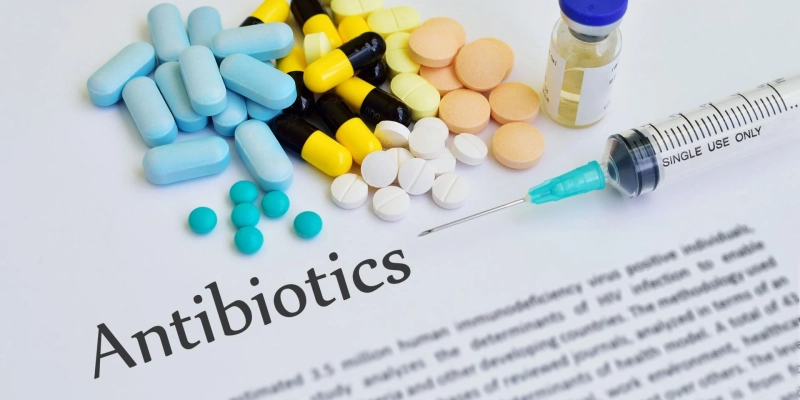
For decades, antibiotics have been a cornerstone of modern medicine, saving millions of lives by treating bacterial infections that were once a death sentence. In Thailand, like in many parts of the world, antibiotics are widely used and often easily accessible. However, this accessibility has come with a hidden and dangerous cost: the rise of antibiotic resistance. This phenomenon occurs when bacteria evolve and develop the ability to defeat the drugs designed to kill them, rendering a crucial medical tool ineffective. The issue of antibiotic resistance is no longer a distant threat; it is a global health crisis that has a direct and profound impact on our society, economy, and individual well-being.
The problem is particularly pressing in countries like Thailand, where a combination of factors—including the over-the-counter sale of antibiotics, a lack of public awareness, and their widespread use in agriculture—has accelerated the development of drug-resistant bacteria. Understanding why this is happening and what each of us can do about it is paramount.
The Silent Pandemic: What is Antibiotic Resistance?
Antibiotic resistance is a natural evolutionary process. When bacteria are exposed to an antibiotic, a few may possess genetic traits that allow them to survive. These "superbugs" then multiply and can pass on their resistance genes to other bacteria, creating a new, drug-resistant population. The more we use antibiotics, the faster this process occurs. It is not our bodies that become resistant to antibiotics; it is the bacteria themselves.
Why Antibiotic Overuse is a Problem in Thailand
In Thailand, the misuse and overuse of antibiotics are significant drivers of resistance. A major contributing factor has been the easy access to antibiotics without a prescription. Patients often acquire antibiotics from pharmacies for common ailments, such as a sore throat or a cold, without a proper medical diagnosis. This happens despite the fact that most upper respiratory tract infections are caused by viruses, against which antibiotics are completely useless.
Furthermore, the practice of not completing the full course of a prescribed antibiotic also fuels resistance. When patients feel better, they may stop taking the medication, leaving behind the most resilient bacteria to multiply and spread. This has been a major focus of public health campaigns in the country.
Beyond human medicine, the agricultural sector also contributes to the problem. The use of antibiotics to promote growth or prevent disease in livestock and aquaculture is widespread. This creates a large reservoir of resistant bacteria that can be transmitted to humans through the food chain or the environment.
The Consequences of Antibiotic Resistance
The rise of antibiotic resistance has devastating consequences on a national and global scale. In Thailand, studies have shown the heavy burden these places on the healthcare system and the public.
- Increased Morbidity and Mortality
When first-line antibiotics fail, infections become more difficult to treat. Patients may require stronger, more expensive drugs with more side effects, and recovery takes longer. The World Health Organization estimates that antibiotic-resistant infections are responsible for thousands of deaths and millions of extra hospital days each year in Thailand alone.
- Higher Healthcare Costs
Treating a resistant infection is significantly more expensive. It often requires prolonged hospitalization, additional diagnostic tests, and costly second- or third-line drugs. The financial strain on individuals and the healthcare system is substantial.
- Threat to Modern Medicine
The efficacy of antibiotics is essential for more than just treating common infections. They are a critical component of life-saving medical procedures, including major surgeries, organ transplants, and cancer chemotherapy. Without effective antibiotics, the risk of infection makes these procedures far more dangerous.
Thailand’s Proactive Stance: Antibiotics Smart Use
Recognizing the severity of the issue, Thailand has launched a comprehensive national strategy to combat antibiotic resistance, most notably through the "Antibiotics Smart Use (ASU)" program. This initiative, developed by the Ministry of Public Health, is a community-level effort to promote the rational use of antibiotics.
The ASU program targets three common conditions that often lead to unnecessary antibiotic prescriptions:
- Upper Respiratory Tract Infections (common cold and sore throat)
- Acute Diarrhea
- Simple Wounds
The core message of the ASU program is simple and direct: “No antibiotics for non-bacterial infections.” Through a network of trained health volunteers, local campaigns, and educational materials, the program has been successful in changing prescribing habits among doctors and influencing patient behavior. By raising awareness that antibiotics do not help with viral infections and that a fever is a natural part of the body’s healing process, the program empowers individuals to be more responsible about their health decisions.
What You Can Do: A Shared Responsibility
Combating antibiotic resistance requires a collective effort. Every individual has a role to play in protecting the effectiveness of these life-saving drugs for future generations.
1. Don’t Demand Antibiotics
If you visit a doctor for a common cold, flu, or sore throat, do not expect or demand an antibiotic. Trust your healthcare professional’s diagnosis. If they determine that your infection is viral, listen to their advice on how to manage your symptoms with rest and hydration.
2. Follow Prescriptions Exactly
If you are prescribed an antibiotic, take it exactly as directed. Finish the entire course of medication, even if you start feeling better. This ensures that all the bacteria, including the most resilient ones, are eliminated from your body, reducing the chance of resistance developing.
3. Never Self-Medicate
Avoid using leftover antibiotics from a previous illness or taking antibiotics prescribed for someone else. An antibiotic that worked for one type of infection may be completely ineffective for another, and it can cause unnecessary side effects while contributing to resistance.
4. Practice Good Hygiene
Prevention is the best cure. Practicing good hygiene, such as regular handwashing, can help prevent infections from occurring in the first place, thus reducing the need for antibiotics.
Conclusion
Antibiotic resistance is a complex and daunting challenge, but it is not an insurmountable one. In Thailand, national programs like the Antibiotics Smart Use initiative have demonstrated that education and community engagement can make a tangible difference. By understanding that antibiotics are a shared resource and by using them responsibly, each of us can help slow the spread of resistance. The future of medicine and the ability to treat common infections, perform complex surgeries, and fight life-threatening diseases depend on our ability to preserve the power of antibiotics.
FAQs
1. Can I get antibiotic resistance from taking antibiotics too often?
No, a person's body does not become resistant to antibiotics. Instead, the bacteria inside and outside your body become resistant. When you take antibiotics, the resistant bacteria that survive can multiply and spread, making future infections harder to treat.
2. How can I tell if my infection is viral or bacterial?
You can’t. Only a healthcare professional can accurately diagnose whether an infection is viral or bacterial through an examination and, if necessary, lab tests. Symptoms can be very similar, and self-diagnosis is the primary cause of antibiotic misuse.
3. Why is it so important to finish the entire course of antibiotics?
When you start taking an antibiotic, the weaker bacteria are killed off first. The stronger, more resilient ones may take longer to die. If you stop taking the medicine early, you kill only the weak bacteria, leaving the stronger ones to multiply. This leads to a population of bacteria that is even more difficult to treat.
4. Is it safe to use topical antibiotic creams and ointments?
While topical antibiotic creams for minor cuts and scrapes are generally safe, overuse can still contribute to resistance. It is best to use them only when necessary and to follow the instructions. Simple cleansing with soap and water is often enough for small wounds.