



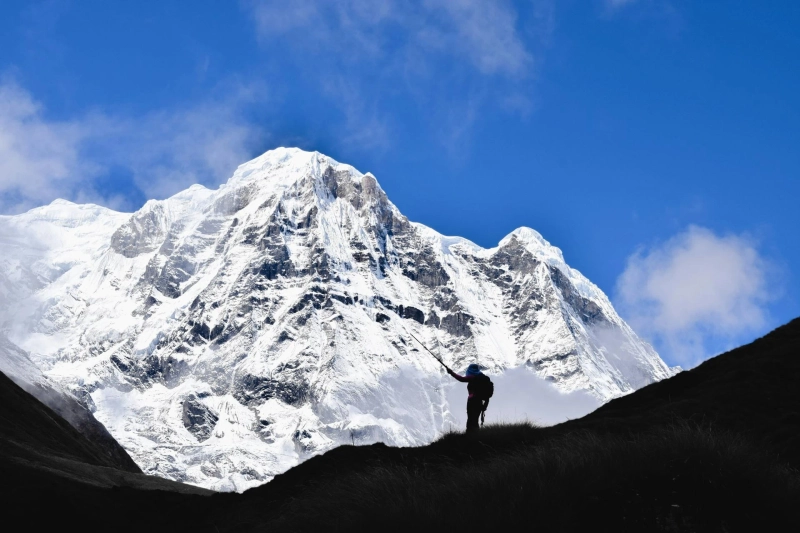
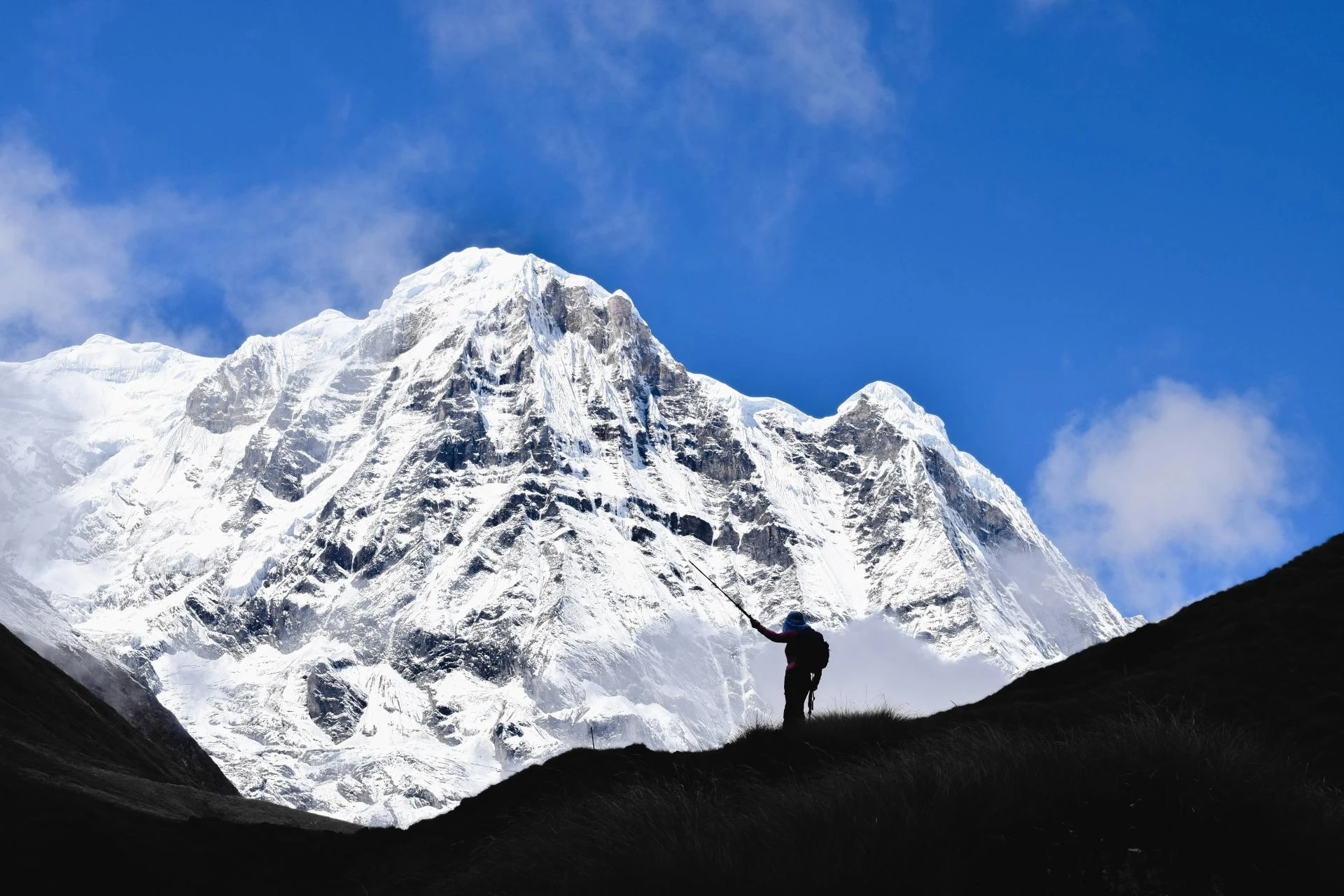
The Annapurna Base Camp Trek is one of Nepal’s most celebrated walking adventures, renowned for its dramatic landscapes, rich cultural interactions, and welcoming hospitality that defines life in the Himalayas. Nestled in the heart of the Annapurna Conservation Area, this trek blends natural beauty with deep-rooted traditions, making it ideal for trekkers seeking both adventure and cultural immersion. Whether you are a first-time hiker or an experienced mountaineer, the ABC trial offers a rewarding combination of lush forests, terraced fields, and high-altitude panoramas that make every step worthwhile.
Understanding the Annapurna Base Camp Experience
The journey to Annapurna Base Camp takes trekkers through an ever-changing landscape. What begins as a quiet walk through charming Gurung and Magar villages quickly transforms into a dramatic ascent toward snow-covered peaks. The trail is well-marked, accessible, and supported by friendly teahouse communities that have been hosting trekkers for decades. This blend of accessibility and beauty has made the trek one of the most beloved routes in Nepal.
One of the unique aspects of the ABC trial is how it introduces trekkers to diverse climates within a short span. You begin in the warm, subtropical countryside around Pokhara, gradually enter the cool temperate forests of rhododendron and oak, and eventually move into the alpine region surrounded by towering peaks. These distinct ecological zones create a natural rhythm that makes the trek both engaging and educational.
The Cultural Heart of the Annapurna Region
Culture plays a central role in the Annapurna Base Camp Trek. Along the route, trekkers encounter the warm hospitality of the Gurung and Magar communities, both of whom have preserved traditions and lifestyles that have existed for generations. Villages such as Ghandruk, Chhomrong, and Jhinu Danda offer opportunities to learn about local customs, observe traditional architecture, and experience the simple yet meaningful mountain lifestyle.
The region’s cultural richness is evident in the way locals greet visitors, the traditional meals served in teahouses, and the festivals that color village life throughout the year. Trekkers often highlight the warmth of the community as one of the most memorable aspects of their journey. Even in remote settlements, you will find people ready to share a cup of tea, offer directions, or provide insight into the mountain environment they call home.
Scenic Diversity Along the ABC Trial
The Annapurna Base Camp Trek is visually stunning from start to finish. The lower portions of the trail are lined with terraced farms that showcase the agricultural lifestyle of rural Nepal. These terraces are particularly beautiful during the planting and harvesting seasons when the hills appear layered with green and gold tones.
As you ascend, the trail leads through dense rhododendron forests that bloom brilliantly in spring. The towering trees and the soft light that filters through their branches create an enchanting atmosphere that is often described as dreamlike. Higher up, the landscape transforms dramatically. The forests thin out and the towering peaks of Annapurna South, Hiunchuli, and Machhapuchhre begin to dominate the horizon.
Reaching Machhapuchhre Base Camp marks a significant moment in the journey. Here, trekkers experience their first true taste of the alpine environment as the valley opens and the mountains form a dramatic amphitheater. The final stretch from Machhapuchhre Base Camp to Annapurna Base Camp is a gentle yet breathtaking walk through the high glacial basin, surrounded by massive walls of rock and ice that rise sharply on all sides.
Annapurna Base Camp: Standing at the Foot of Giants
The sense of achievement and wonder at Annapurna Base Camp is unmatched. Situated at 4,130 meters, the camp sits inside a natural sanctuary where mountains encircle the area in a nearly 360-degree panorama. Annapurna I, the tenth-highest mountain in the world, stands prominently in front of trekkers, often catching the first light of dawn in a soft orange glow.
This high alpine basin has long held spiritual significance for the local communities. Many trekkers describe the atmosphere at base camp as peaceful and humbling. The moments spent here—whether photographing the peaks, reflecting on the journey, or simply admiring the beauty of nature—often become the highlight of the entire trek.
Practical Tips for the Annapurna Base Camp Trek
Best Time to Trek
The most favorable seasons for the Annapurna Base Camp Trek are spring (March to May) and autumn (September to November). During these months, the weather is stable, the skies are clear, and the temperature is comfortable at most altitudes. Spring offers rhododendron blossoms along the trail, while autumn provides crisp visibility and pleasant walking conditions.
Difficulty Level
The ABC trial is considered moderately difficult, making it suitable for trekkers with basic fitness and some hiking experience. Daily walking ranges from four to seven hours, with steep ascents and descents in certain sections. Adequate preparation and pacing yourself throughout the trek are essential for an enjoyable experience.
Permits
Trekkers need two permits:
- Annapurna Conservation Area Permit (ACAP)
- Trekkers’ Information Management System (TIMS)
- These can be easily obtained in Kathmandu or Pokhara.
Accommodation and Food
The route is lined with teahouses offering hot meals and clean rooms. Popular meals include dal bhat, noodles, soups, and local dishes. It is advisable to carry reusable water bottles and purification tablets to reduce plastic waste.
Altitude Considerations
While the ABC route is less prone to altitude sickness compared to higher treks, it is still important to ascend slowly, stay hydrated, and pay attention to any physical discomfort. A steady pace allows your body to adjust naturally.
Packing Essentials
Some important items include warm layers, a good-quality down jacket, a sleeping bag, comfortable trekking boots, trekking poles, sun protection, and a rain jacket. Weather in the mountains can change quickly, so being well-prepared ensures comfort and safety.
Why the ABC Trial Remains a Favorite Among Trekkers
The Annapurna Base Camp Trek continues to attract adventurers from around the world because of its accessibility, cultural richness, and dramatic mountain scenery. Unlike more remote treks, the ABC trial allows trekkers to experience high-altitude Himalayan views without requiring advanced mountaineering skills. The combination of landscapes, culture, and personal achievement makes the journey meaningful for both new and seasoned trekkers.
Trekking through the Annapurna region also supports local communities who rely on tourism for their livelihood. By choosing this route, you become part of a sustainable travel experience that helps preserve the traditions and environment of the area.
Conclusion
The Annapurna Base Camp Trek is more than a journey through the mountains. It is an opportunity to explore a region rich in culture, diversity, and natural wonder. From its terraced farmlands and colorful forests to the breathtaking sanctuary of Annapurna Base Camp, the trek offers a complete Himalayan experience that stays with travelers long after they return home. Whether you are drawn by the promise of towering peaks, the warmth of local communities, or the challenge of a multi-day adventure, the ABC trial delivers a fulfilling and transformative experience. For anyone seeking a trek that balances accessibility with unforgettable scenery, Annapurna Base Camp remains one of the finest destinations in Nepal.