



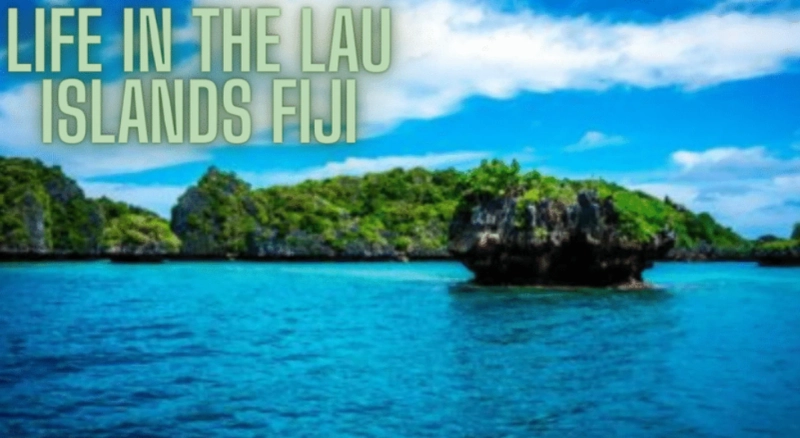
The Lau Islands Fiji, an archipelago of over 60 islands and islets scattered across the southeastern Pacific, represent one of Fiji’s most pristine and least explored regions. Known for their unspoiled natural beauty, rich cultural heritage, and warm, welcoming communities, these islands offer travelers an authentic glimpse into traditional Fijian life. Unlike the more frequented tourist hubs of Fiji, the Lau Islands remain largely untouched by mass tourism, preserving their charm and offering a unique experience for those seeking adventure, tranquility, and cultural immersion.
Geography and Natural Beauty
The Lau Islands Fiji are strategically positioned between Fiji’s main islands and Tonga, giving the archipelago a distinct cultural and ecological identity. Comprising both volcanic and coral islands, the landscape varies from lush, forested interiors to white sandy beaches fringed by turquoise waters and vibrant coral reefs. This geographical diversity supports a wide array of flora and fauna, making the Lau Islands an ecological haven for nature enthusiasts and researchers alike.
The islands are characterized by calm lagoons, hidden coves, and dramatic coastlines that create perfect conditions for snorkeling, diving, and fishing. Coral reefs teem with marine life, including colorful fish, turtles, and rays, while dense forests provide habitats for native birds and plant species. The untouched environment of the Lau Islands Fiji ensures that visitors experience a slice of paradise that has remained largely unaltered by modern development.
Historical and Cultural Significance
The Lau Islands Fiji have a rich history that reflects a blend of indigenous Fijian and Tongan influences. Historically, the islands served as important hubs for inter-island trade and cultural exchange in the South Pacific. Ancient oral traditions, songs, and stories have been passed down through generations, preserving knowledge of navigation, fishing, and community life.
The local communities in the Lau Islands are deeply rooted in traditional customs and social structures. Chiefs, or turaga, play a central role in village governance, while communal living and cooperative farming practices strengthen social bonds. Traditional ceremonies, including the yaqona (kava) ritual, remain integral to daily life, providing insight into the spiritual and cultural values of the Lauan people. Visitors have the opportunity to witness these ceremonies firsthand, gaining a deeper understanding of the islands’ heritage and way of life.
Unique Villages and Local Communities
One of the defining features of the Lau Islands Fiji is the authenticity of its villages. Unlike heavily commercialized tourist destinations, these communities maintain a slower pace of life, preserving their traditions and local knowledge. Villages are typically organized around communal meeting houses, where residents gather to discuss local affairs, celebrate milestones, and host visitors.
Residents of the Lau Islands are known for their hospitality and friendliness. Traditional crafts, including weaving, carving, and mat-making, are still practiced widely, and local markets provide a glimpse into daily life. The Lau Islands offer travelers the rare chance to engage directly with Fijian culture, learn about sustainable living practices, and participate in community activities that have been preserved for generations.
Marine Life and Adventure Opportunities
For travelers seeking adventure, the Lau Islands Fiji are a paradise of water-based activities. The surrounding coral reefs provide some of the best snorkeling and diving opportunities in the Pacific, with crystal-clear waters allowing for exceptional visibility. Marine enthusiasts can explore vibrant reefs, encounter schools of tropical fish, and even spot sea turtles and manta rays. Fishing, both traditional and recreational, is a popular activity, and local guides often share ancestral knowledge about sustainable practices and the region’s rich marine biodiversity.
Kayaking, sailing, and island-hopping are other popular ways to explore the archipelago. With many of the islands uninhabited, visitors can experience pristine beaches, secluded lagoons, and untouched landscapes, often with the entire environment to themselves. This sense of discovery and connection with nature sets the Lau Islands apart from more commercialized destinations.
Cultural Experiences and Festivals
Beyond natural beauty, the Lau Islands Fiji offer an immersive cultural experience. Annual festivals and ceremonies provide insight into traditional life, including music, dance, and storytelling. Meke, a traditional Fijian dance, is performed during celebrations and conveys stories of ancestors, legends, and community life. Visitors can witness these performances in village settings, where authenticity is preserved and the spirit of the islands comes alive.
Food is another integral aspect of the cultural experience. Traditional dishes, such as fresh fish cooked in coconut cream and root vegetables like cassava and taro, reflect both the abundance of the islands’ natural resources and the culinary traditions passed down through generations. Participating in village feasts or trying local cuisine offers travelers a deeper connection to the Lau Islands’ heritage.
Sustainable Tourism and Conservation
The Lau Islands Fiji are committed to sustainable tourism and the preservation of their natural and cultural resources. Small-scale, community-based tourism initiatives ensure that economic benefits are distributed locally while minimizing environmental impact. Visitors are encouraged to respect local customs, participate in conservation efforts, and support initiatives that protect the islands’ ecosystems.
Conservation projects focus on marine preservation, reforestation, and protection of native wildlife. These efforts help maintain the ecological integrity of the islands, ensuring that future generations can experience the same unspoiled beauty that attracts visitors today. By promoting responsible tourism, the Lau Islands offer a model for balancing economic development with cultural and environmental preservation.
Getting There and Travel Tips
Access to the Lau Islands Fiji is primarily via domestic flights from Fiji’s main international gateways, such as Suva or Nadi, as well as occasional inter-island boat services. Due to their remote location, travel requires planning, but the journey is rewarded with unparalleled natural beauty and cultural richness. Visitors are encouraged to stay in locally-run accommodations, participate in village activities, and travel with guides who can provide insight into the islands’ history, traditions, and ecological significance.
Travelers should also be mindful of the islands’ delicate ecosystems and respect local customs. Engaging with communities respectfully, learning about traditional practices, and supporting local initiatives contribute to a meaningful and responsible travel experience.
Conclusion
The Lau Islands Fiji represent an untouched paradise where nature, culture, and history coexist harmoniously. From pristine beaches and vibrant coral reefs to ancient traditions and welcoming communities, the archipelago offers a rare opportunity to experience Fiji in its most authentic form. Visitors are not only captivated by the islands’ breathtaking landscapes but also enriched by the deep cultural heritage and enduring traditions that define life in this part of the South Pacific.
For those seeking a destination off the beaten path, the Lau Islands Fiji provide an unparalleled combination of natural beauty, adventure, and cultural immersion. Whether exploring hidden lagoons, witnessing traditional ceremonies, or engaging with local communities, travelers leave with a profound appreciation for the islands’ unique charm. The Lau Islands remain a testament to the enduring spirit of Fiji, preserving both its environment and its rich cultural legacy for generations to come.