



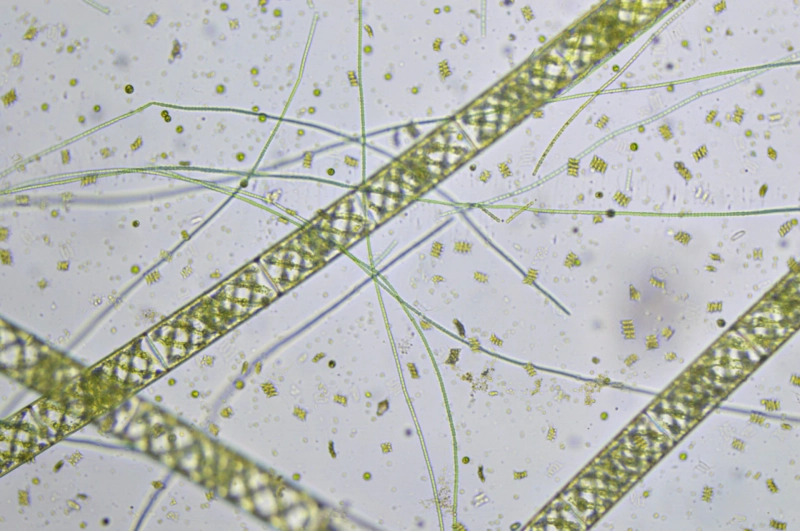
What if students could see the effects of eutrophication or photosynthesis right before their eyes—within a week, using minimal resources? Across the UK and globally, algal blooms are increasing in frequency and intensity, driven largely by nutrient runoff from agriculture and urban development.
European surface waters are greatly affected by eutrophication. These blooms not only threaten biodiversity but also alter aquatic ecosystems and drinking water quality. For biology educators, demonstrating these processes in a controlled setting is a valuable teaching tool.
Blades Biological provides algae cultures, growth media, and preserved specimens that allow educators to build accurate, scalable aquatic model systems in the classroom.
In this article, educators will find structured experiment ideas to model photosynthesis, nutrient enrichment, and the role of bioindicator species—all using algae and related lab supplies.
Designing Laboratory Models of Aquatic Ecosystems
Creating a simplified aquatic ecosystem begins with a foundational understanding of how algae interact with light, nutrients, and other organisms. Algae are ideal for this purpose due to their fast growth rates and sensitivity to environmental changes.
Basic Setup for Controlled Algal Growth
Educators can construct low-maintenance aquatic systems using the following:
· Clear containers or test tubes
· Algae cultures (such as Chlorella or Scenedesmus)
· Growth media with defined nutrient concentrations
· A light source with consistent intensity and exposure time
Optional: Daphnia or other live invertebrates to simulate grazing pressure
Growth can be observed over 5–10 days, with visible changes in colouration, turbidity, or biomass.
Experiment 1: Demonstrating Photosynthesis in Algae
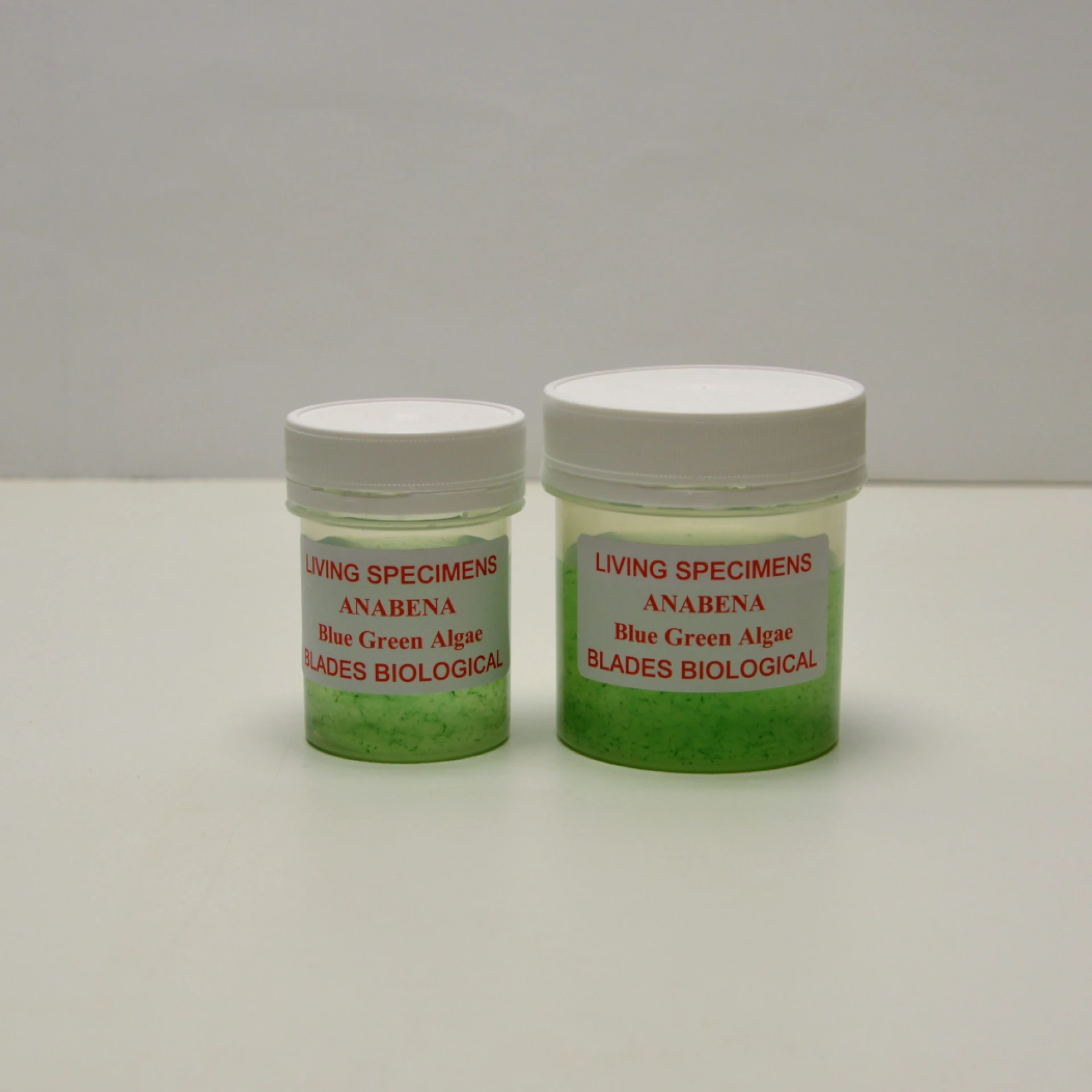
Procedure:
· Prepare equal volumes of algae cultures in test tubes.
· Expose them to varying light conditions: full light, partial light, and complete darkness.
· Use an indicator like bromothymol blue to detect pH changes, which correlate with CO₂ uptake during photosynthesis.
· Measure optical density daily using a spectrophotometer to quantify algal biomass.
Learning Outcomes:
· Understand the role of light in photosynthetic activity.
· Discuss how photosynthetic rates influence oxygen levels in aquatic environments.
Experiment 2: Simulating Eutrophication and Algal Blooms
To simulate eutrophic conditions, educators can vary nutrient concentrations in the algae’s growth medium.
Procedure:
· Set up multiple beakers with identical algae cultures.
· Add increasing concentrations of nitrogen and phosphorus to each (e.g., zero ppm, one ppm, five ppm, 10 ppm).
· Monitor changes in algal density over time using qualitative observations or spectrophotometric data.
Extension:
· Introduce daphnia in a separate phase to examine grazing pressure on bloom dynamics.
· Measure dissolved oxygen daily using test kits to observe potential hypoxic effects.
Learning Outcomes:
· Recognise the link between nutrient loading and excessive algal growth.
· Understand the environmental risks posed by agricultural runoff.
Experiment 3: Algae as Bioindicators
Algae serve as early indicators of environmental stress, including chemical pollutants or heavy metals.
Procedure:
· Create algae cultures in test tubes with identical starting concentrations.
· Introduce low concentrations of copper sulfate, detergent, or other water-soluble pollutants in some samples.
· Track algal growth and pH changes over time.
Learning Outcomes:
· Discuss how algal sensitivity reflects water quality.
· Introduce the concept of using algae in environmental monitoring protocols.
Using Preserved Specimens to Supplement Algae-Based Lessons
In addition to live algae cultures, preserved aquatic specimens—such as dissected fish or invertebrates—can help contextualise algae’s role within food webs. Observing anatomical features related to respiration, digestion, and sensory systems enriches understanding of how these organisms respond to changes in their aquatic environments.
Using preserved biological materials from Blades Biological ensures educators have access to consistent, safe, and ethically sourced teaching specimens without the variables introduced by living animals.
Why Use Algae-Based Models in Teaching?
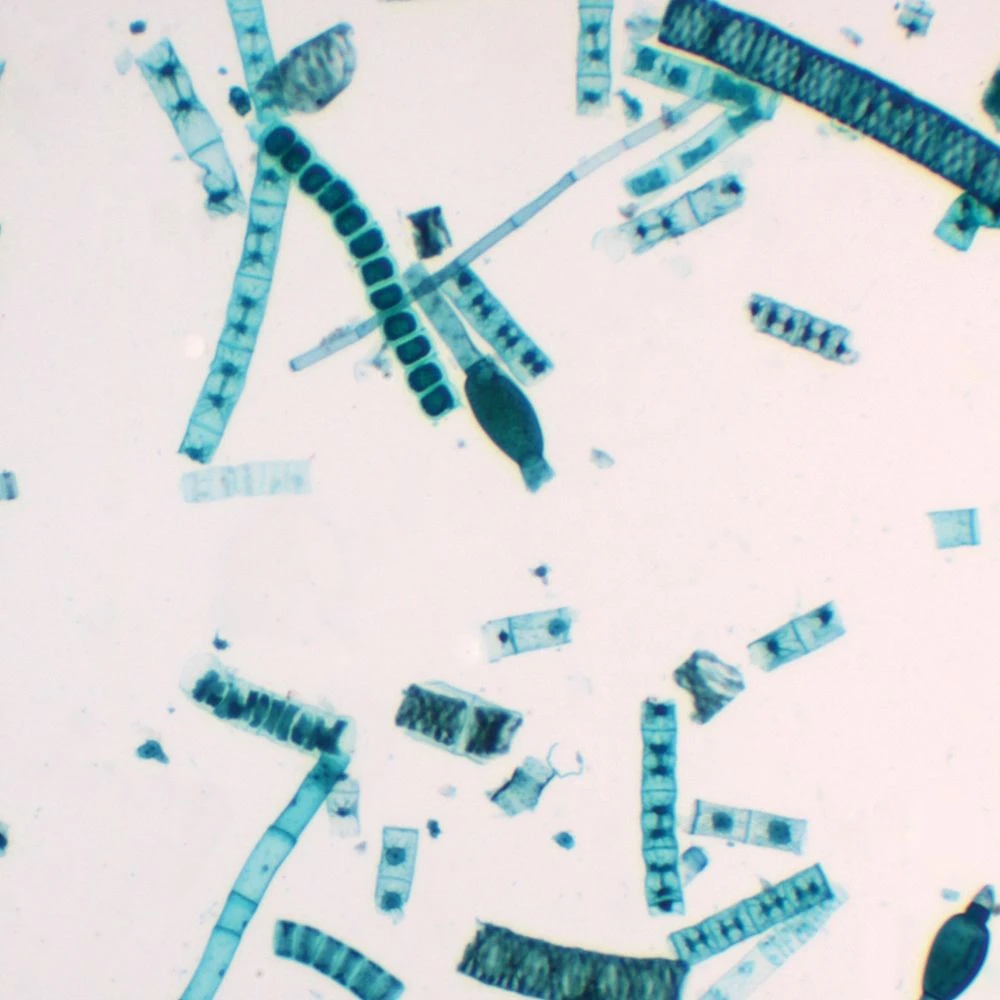
Algae offers rapid feedback, scalability, and clear visual results, making them an ideal tool for secondary and post-secondary instruction. They bridge core biology topics such as photosynthesis, aquatic ecology, environmental science, and experimental design. By manipulating light, nutrients, and other variables, students learn to formulate hypotheses, collect data, and interpret results—skills central to scientific literacy.
Ready to Build a Reliable Lab Model of Aquatic Ecosystems?
How can educators teach the complex mechanisms behind algal blooms, nutrient cycles, and aquatic health—without relying on expensive, long-term ecological setups? By using high-quality algae for sale, growth media, and algae microscopic slides from a trusted supplier, these challenges are easily addressed.
Blades Biological offers one of the best selections of live cultures, algae-compatible growth media, and preserved biological materials available to schools and universities in the UK. As the only UK distributor of Carolina Biological’s preserved specimens, the company supports rigorous lab instruction with scientifically appropriate resources.
Browse their extensive catalogue to find algae cultures, media, and classroom-ready materials to run algae science experiments with precision and reliability. Visit Blades Biological to order or enquire about availability.